
When the system is moving water right
The boiler fires, the pump pushes hot water out through the copper lines, and every radiator on the loop gets warm top to bottom. No gurgling, no cold spots, no need to bleed anything.
Cold radiators usually mean air trapped in the system, not a failed boiler. Hot water needs to push through the whole radiator, and a pocket of air at the top keeps that from happening, so the bottom gets warm while the top stays cold, or the whole thing stays cold. Bleeding the radiator lets that air out and lets water take its place. If bleeding doesn't fix it, the cause is usually somewhere else: a circulator pump that's stopped moving water through the loop, a zone valve stuck shut, or sludge built up inside an older radiator that blocks flow even with the air gone. Since most homes in Texas heat with electricity, a boiler is less common here than in colder states, and a qualified technician who still works on them regularly will know the quirks specific to the make and age of yours. Sorting out which of these it is takes someone who can check the pump, the valves and the water itself.
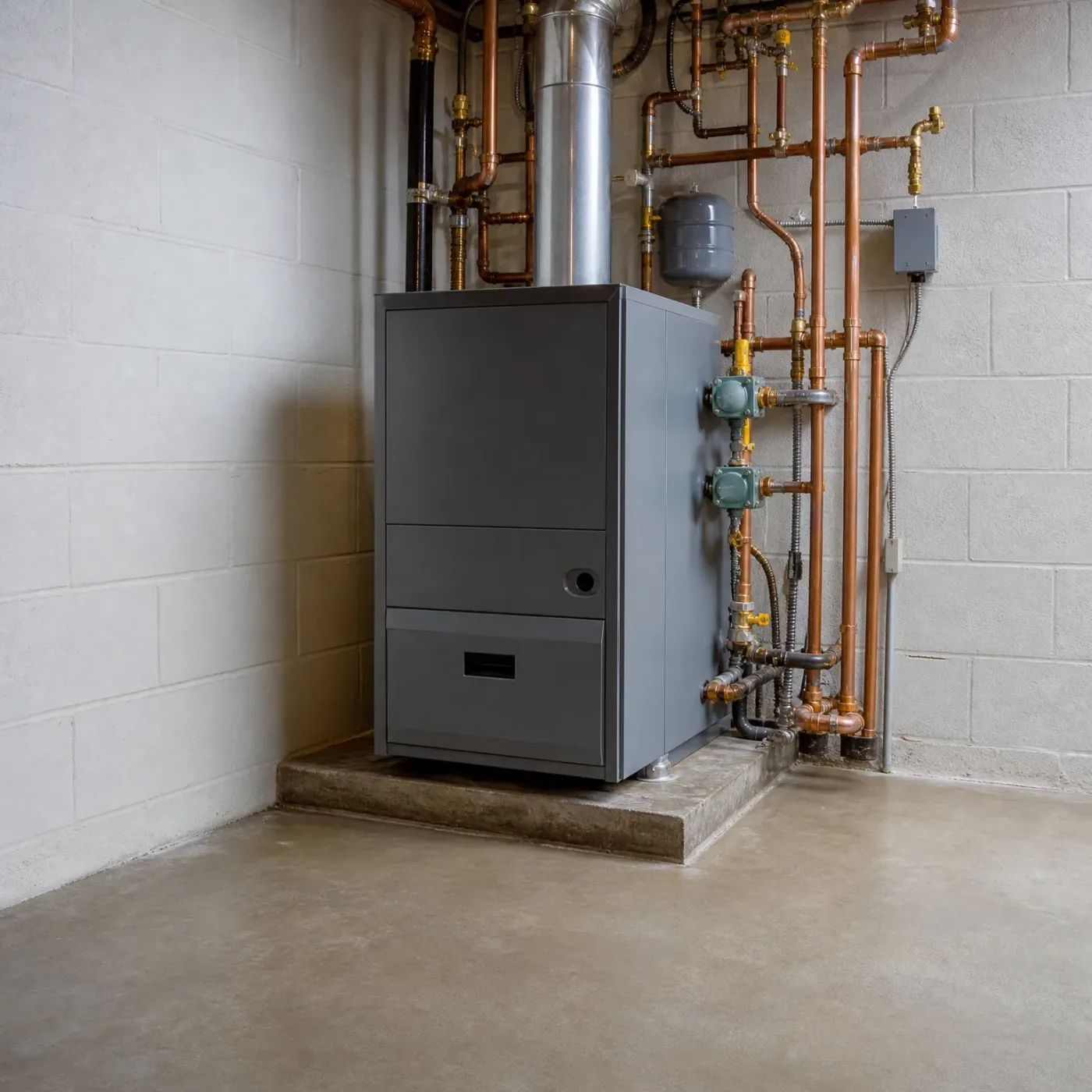
The boiler fires, the pump pushes hot water out through the copper lines, and every radiator on the loop gets warm top to bottom. No gurgling, no cold spots, no need to bleed anything.
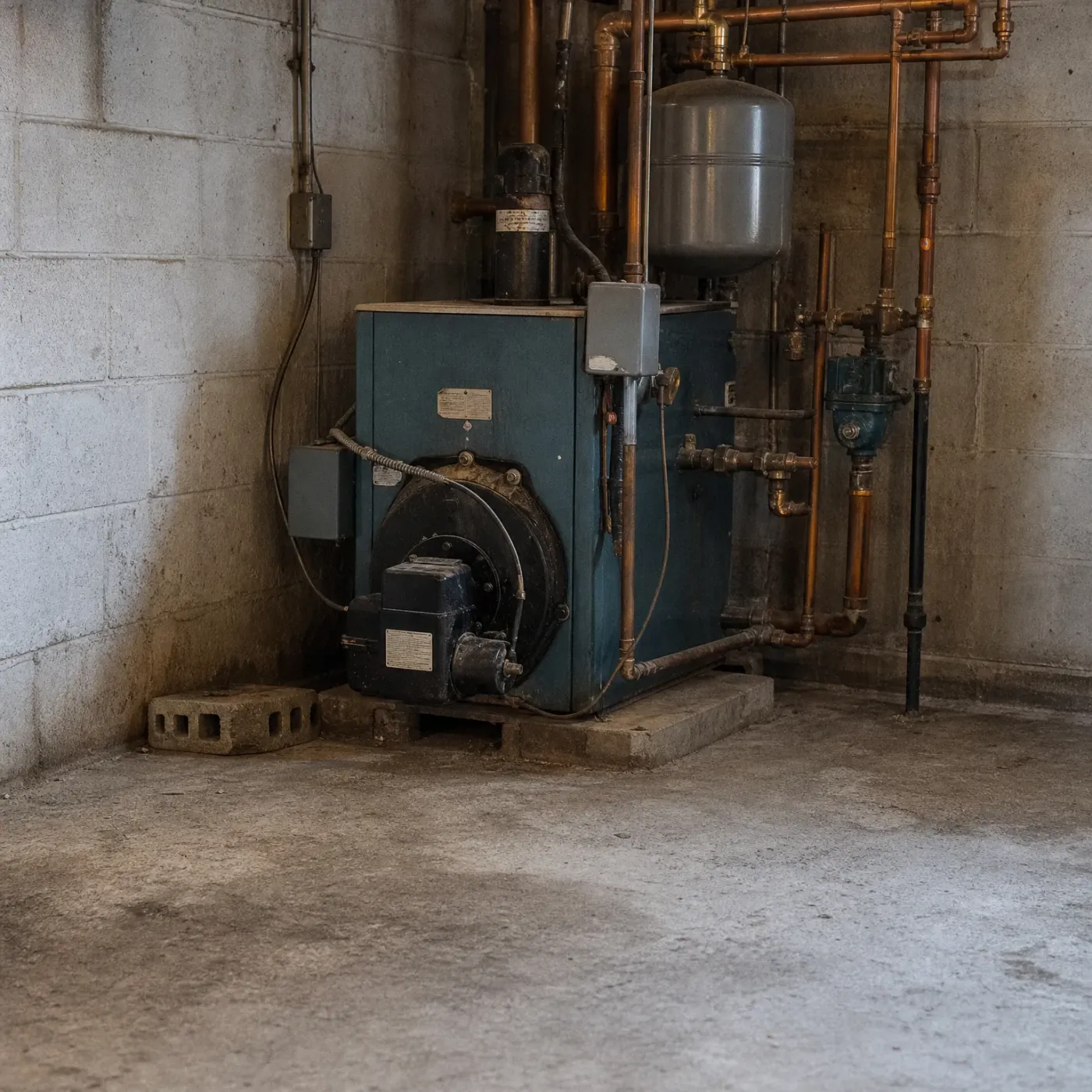
The boiler may run fine and the radiator still stays cold or warm only at the bottom. That points to trapped air, a stuck valve, or a blockage somewhere between the boiler and that radiator.
Touch the radiator and check where the cold starts. If the top is cool and the bottom is warm, that's air again, and bleeding it should fix that one unit. If the whole radiator is cold while the rest of the house heats fine, the problem is usually local to that line: a closed valve, a clogged line, or sediment settled in that radiator specifically. You might also hear gurgling or clanking from the pipes behind the wall, which is water trying to move past trapped air. Left alone, a boiler working harder to push heat through a blocked system runs longer than it should, and that shows up on your electric bill before anything actually breaks.




You bled the radiator the way you've heard you're supposed to, water came out steady once the air was gone, and you closed the valve. A day later the same radiator is cold again, or it never really got hot in the first place. That's frustrating, because bleeding is supposed to be the fix, and when it doesn't hold, it feels like you're missing something about how this is supposed to work.
Bleeding gets the air out at that moment, but it doesn't stop more air from getting in. If a radiator keeps going cold after you've bled it, something is letting air into the system on a regular basis, usually a slow leak at a fitting or valve, or the boiler's expansion tank not holding pressure the way it should. There's also pump pressure to consider. If the pump isn't pushing water hard enough to reach that radiator, bleeding won't change that, since the problem isn't air at all. A contractor who services boilers in your area can pressure test the system and find where the air is coming from, instead of you bleeding the same radiator every few weeks.
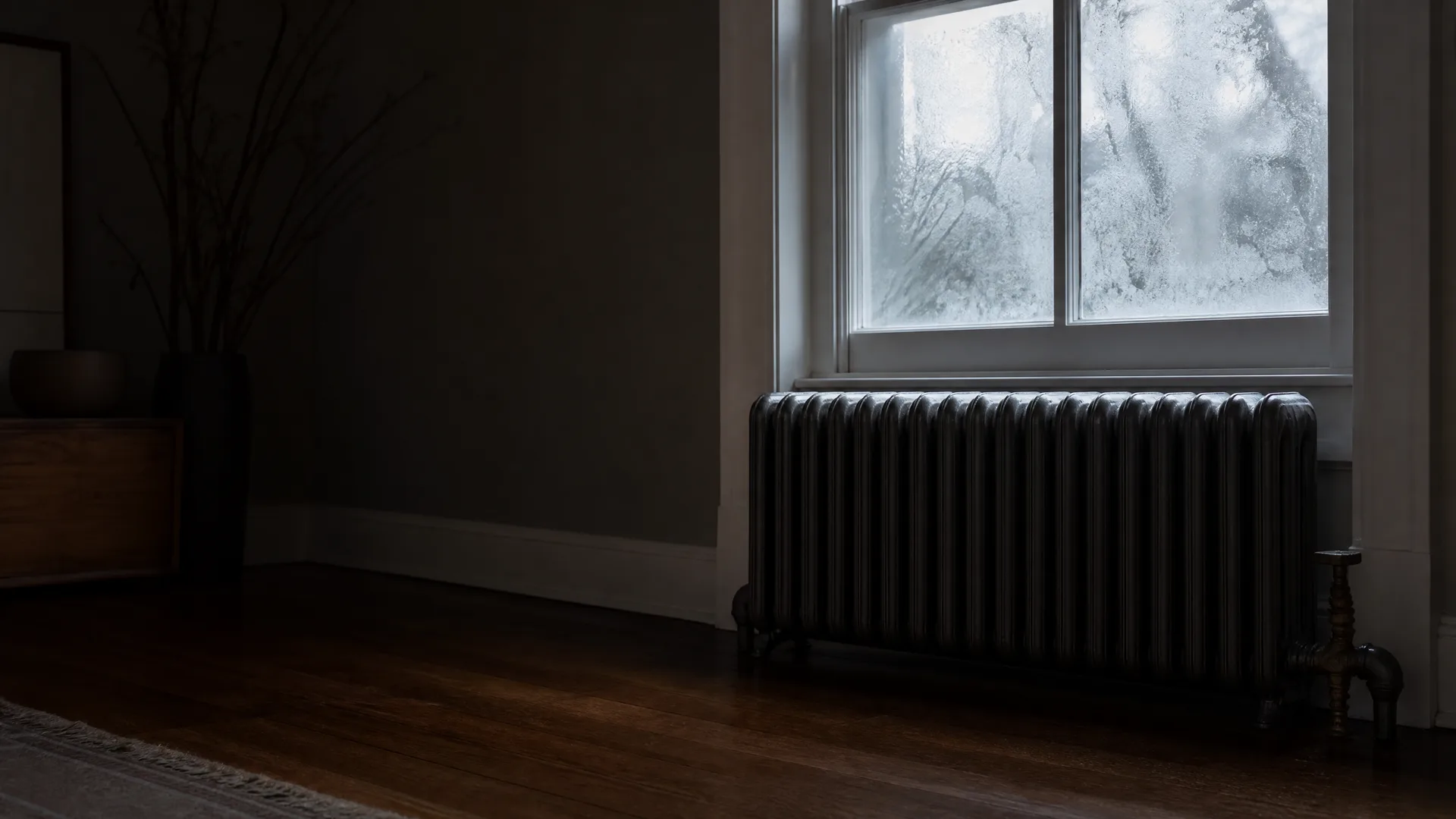
Ice has crept up the inside of the window by the time you notice the radiator hasn't done anything all morning. It's January, early, the kind of cold snap Texas gets a few times a season and never quite plans for. You put your hand on the cast iron and it's stone cold, top to bottom, no warmth climbing up from the pipe at all. The rest of the house still has its usual electric heat humming along, so you didn't think to check this room until you saw your breath near the glass. You bled it already. Nothing came out. A local contractor who works on boiler systems like yours this time of year would know, from that alone, where to look next.
A boiler is rare enough here that most heating companies barely touch one from October through March. Texas runs on electric heat, so a dead radiator loop is not the kind of call a general HVAC outfit gets every week. You want someone who still knows the difference between a stuck zone valve and a failed circulator pump, and who has bled a radiator loop this season, not just read about one. That's the contractor this request goes to, someone local who works on this kind of system regularly, matched to your boiler and what you've already found wrong with it. One contractor gets your information, not several, so you're dealing with one person who already knows what you're facing before they call, not fielding competing quotes from companies guessing at the problem over the phone. With a cold snap already in the house and water that won't push past the air trapped in that radiator, getting the right person looking at it matters more than getting a fast one.
A boiler system is closed. The same water has been circulating through those pipes for years, not refilling fresh every time it runs. That matters because the whole thing depends on a handful of parts staying in balance, and when one drifts off, a radiator goes cold somewhere down the line. The expansion tank is there to absorb the water as it expands with heat. If that tank waterlogs, it can't do that job, and pressure in the loop starts swinging instead of holding steady. The pressure reducing valve is what's supposed to keep things around 12 to 15 psi. Check the gauge near the boiler. If it's sitting well under that, there's room for air to collect where water should be, and that air ends up pooling in a radiator instead of moving through it. Zone valves are the traffic control, sending hot water to one part of the house while holding it back from another. One valve stuck shut and every radiator on that zone goes cold at once, no matter how well the boiler itself is running. The circulator pump has to move water fast enough to carry air bubbles past the radiators rather than let them settle. A pump that's lost strength lets that air sit still. And a pinhole leak inside a wall can bleed pressure off slowly, over weeks, so nothing looks wrong until the day a radiator just stops.
On a 41°F night the boiler is running long enough that trapped air or a stuck valve shows up fast as a cold radiator. A system moving water right keeps up with that kind of cold without you noticing it work.
NOAA nClimDiv 1991-2020 county normals weighted by homes



Air trapped at the top, a valve that won't open, a pump that isn't pushing water where it needs to go. Whatever it turns out to be in your house, it's mechanical, and it's fixable. Boilers in Texas don't fail often, but when a radiator goes cold, it usually means something specific is stuck or stopped, not that the whole system is done.
Finding which one it is means someone who's actually worked on a boiler loop before, not just a furnace or a heat pump. A contractor who services this equipment every winter has likely already seen whatever is happening in your house, in someone else's. That's who gets matched to your call. One contractor, local, licensed to do the work, reaching out to you directly about your radiator and what's keeping it cold.




The pro who reaches out is licensed in Texas.
Asking costs nothing, and the choice to hire stays yours.