Texas Boiler Works
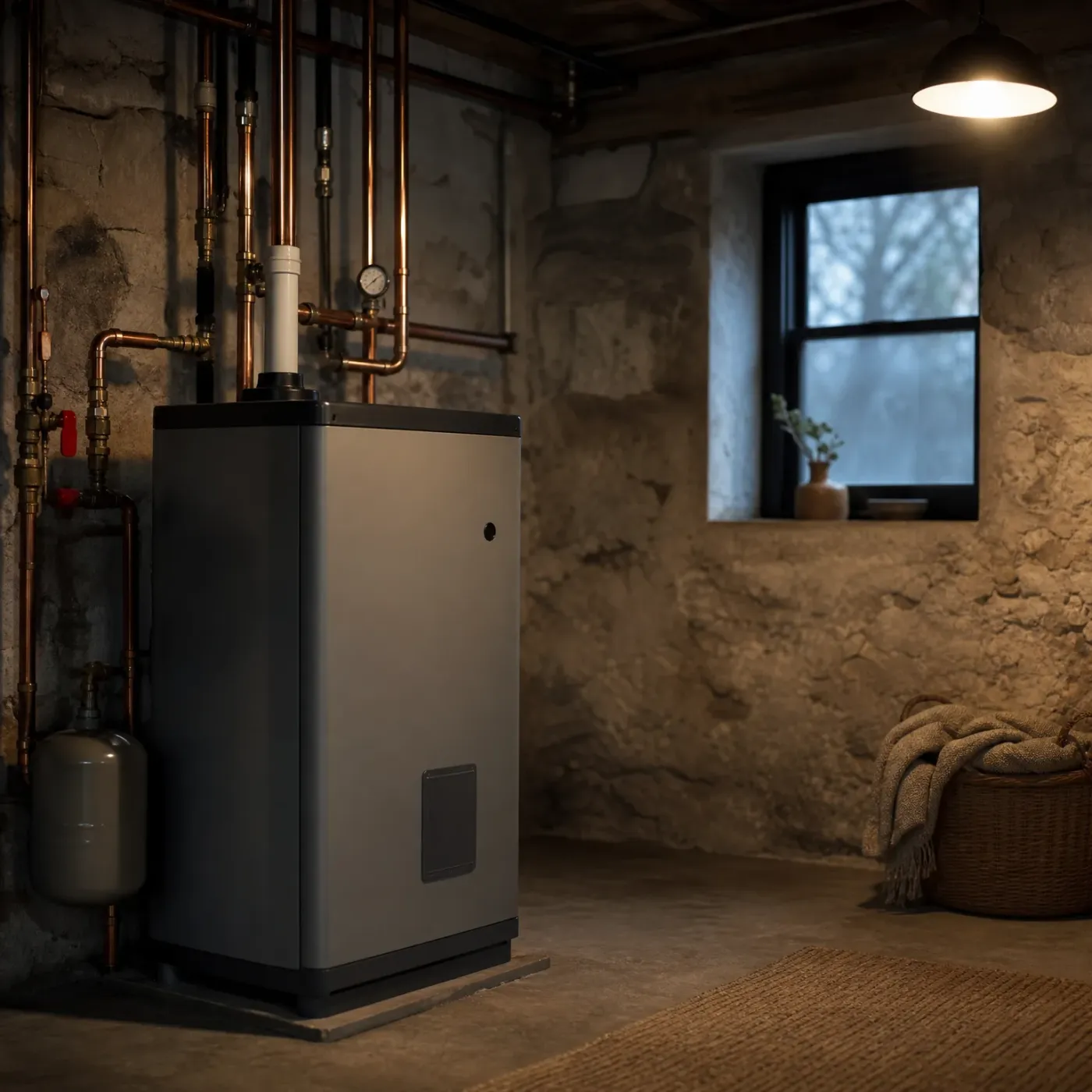
A gray floor-standing boiler with copper pipework, valves and a pressure gauge in a stone-walled basement, beside a small window and a wicker basket with a blanket.

Describe it once

Why your boiler relief valve is leaking in Texas

A relief valve dripping or spraying from your boiler usually means pressure or temperature inside is higher than it should be, or the valve itself has worn out and won't seal anymore. This page gets into why that happens and what it means for your system. Instead of searching around for a boiler tech, calling a few to explain the leak over and over, and sorting through different quotes, you can get matched with one licensed contractor near you in Texas who works on boilers all year and knows what tends to fail.

Answer a few questions

A boiler relief valve leaks for one of a few reasons. Pressure inside the system has climbed past what the valve is set to hold, usually because the expansion tank has lost its air charge or the system was filled too high. Or the water is getting hotter than it should, which pushes pressure up the same way. Sometimes the valve itself is just worn out, with a seat that no longer seals, and it will drip even at normal pressure. A valve that's merely old will often weep a little then stop; one that keeps dripping or sprays steadily is telling you the pressure or temperature behind it is wrong, or that the valve needs replacing before it fails to open when it actually has to. Either way, it's not something to leave alone. A relief valve is the one part standing between normal operation and a system that has nowhere for excess pressure to go.

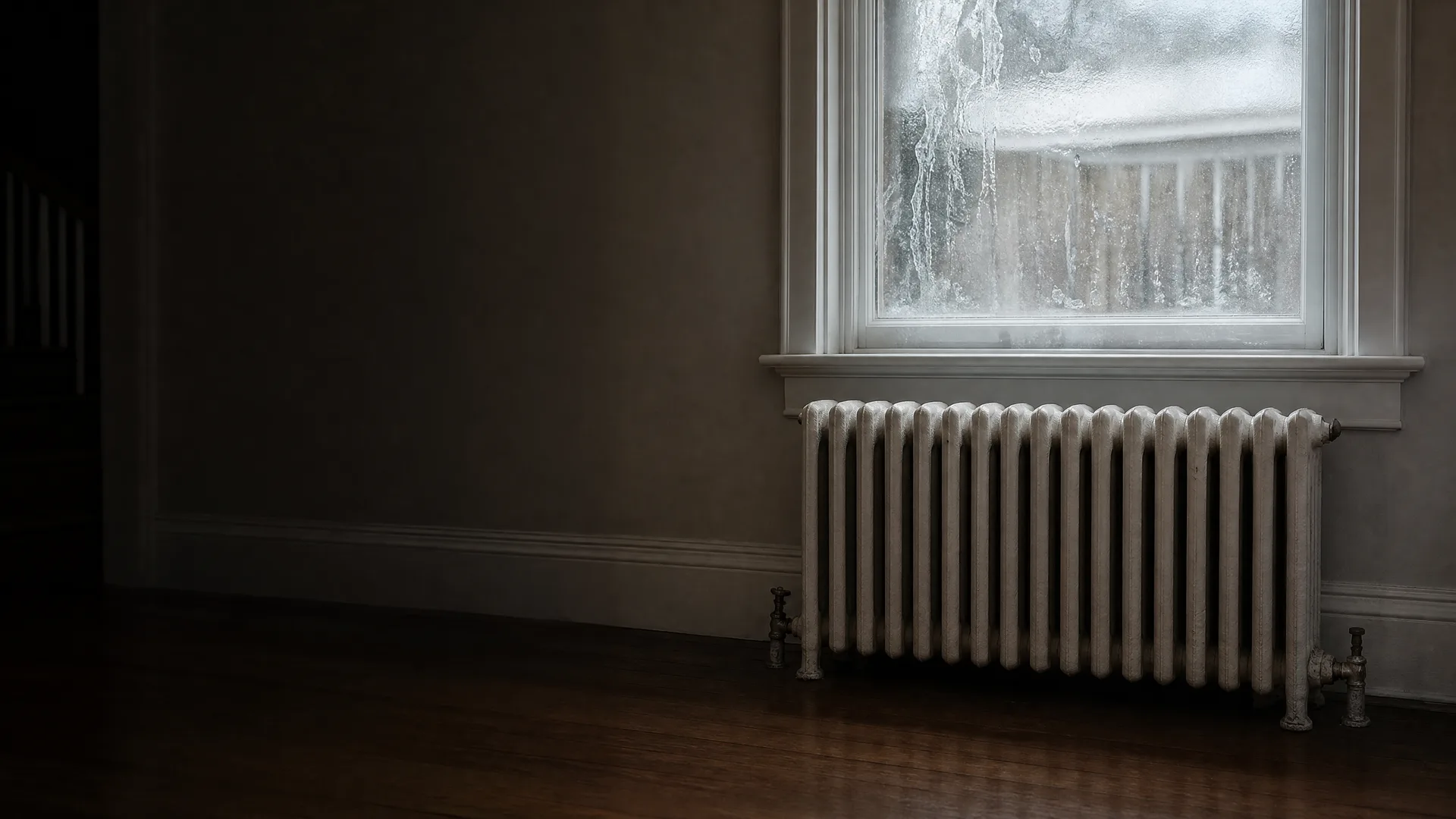
A white cast-iron column radiator with valves at each end sits beneath a frosted, condensation-covered window in a dim room with dark wood flooring and gray walls.

You're up before the heat kicks on, and the living room is cold enough that you can see your breath. The cast-iron radiator under the window ticks as it warms, and there's a thin crust of ice on the inside of the glass above it. Then you hear it: a steady drip from the boiler in the next room, water hitting the floor pan in a rhythm. You go check and find the puddle already spreading past the pan, dark against the concrete. Outside, Texas is doing a rare hard freeze, the kind that makes the system work harder than it has all year. The drip doesn't slow down while you stand there watching it.
What are you noticing near the boiler right now

You'll likely find a small puddle under the valve, or a dried white or rust colored ring where water sat and evaporated. Sometimes it's steady dripping you can hear from another room. Sometimes it's a hiss or a short spray when the boiler is running hard. The pipe below the valve may be warm or wet to the touch, and you might smell a faint mineral or metallic smell near the floor. If this keeps draining water from the system, the boiler loses pressure between refills, and you may notice it short cycling or struggling to hold heat on the coldest nights. Left alone, the leak doesn't fix itself.

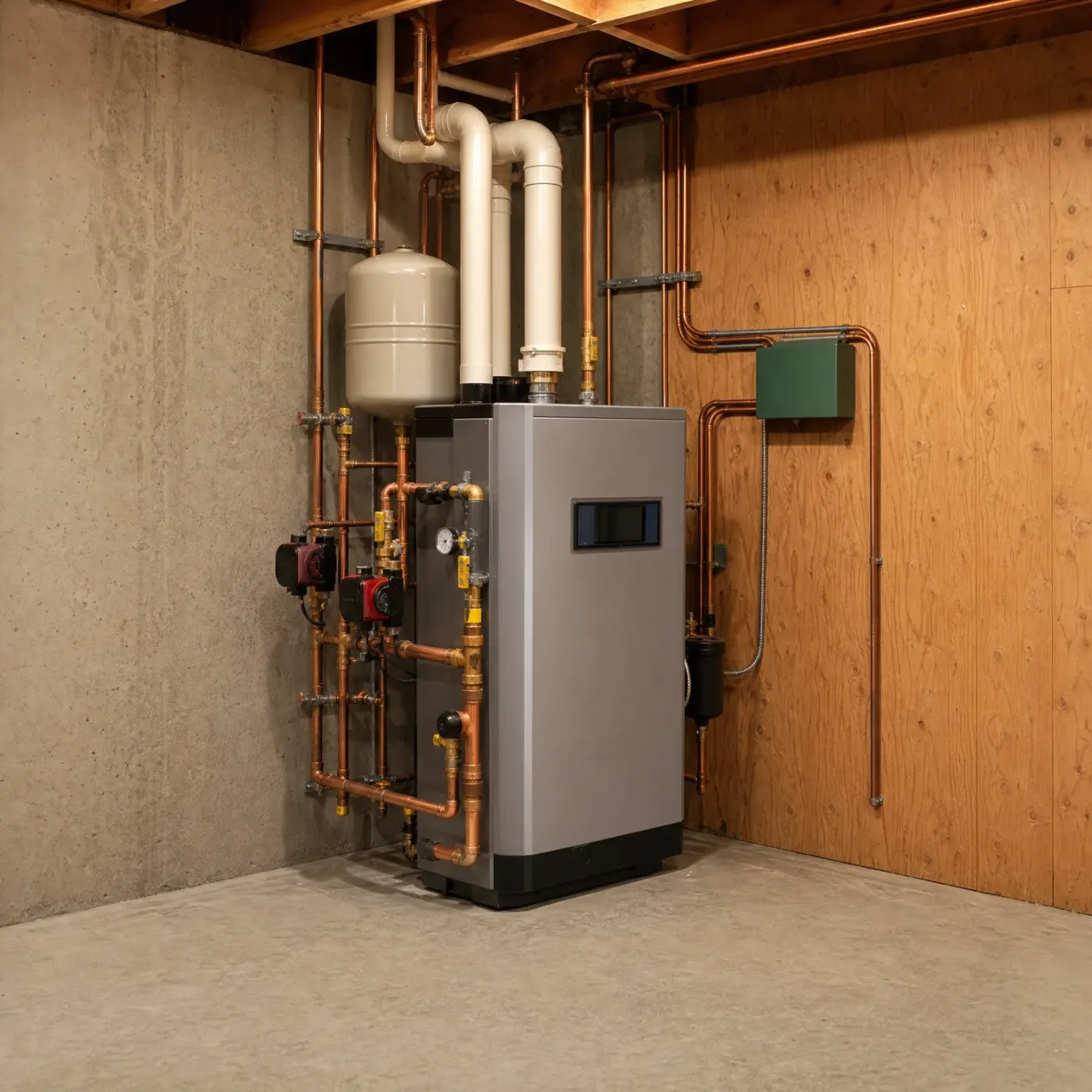
A gray floor-standing boiler in a basement corner with copper piping, two red circulator pumps, a beige expansion tank, white PVC vent pipes, concrete and plywood walls.

Running the way it should

A pressure gauge that reads normal, a relief valve that stays dry, an expansion tank doing its job of absorbing the swings as water heats and cools. The copper piping holds steady pressure throughout, and nothing drips from that valve because nothing needs to escape.

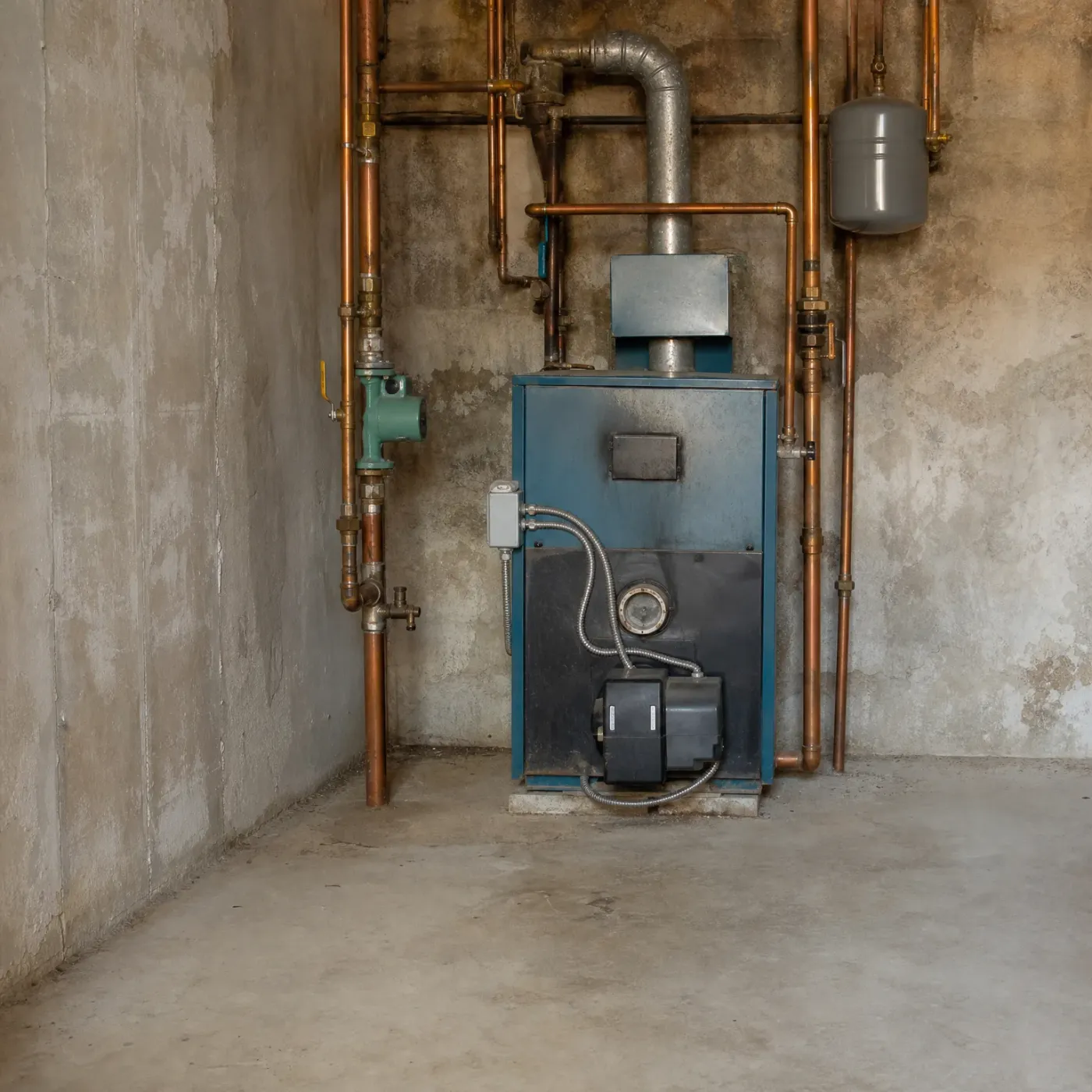
A blue residential boiler with a metal flue, pressure gauge and burner unit stands against a stained concrete basement wall, surrounded by copper pipes, a green circulator pump and a gray expansion tank.

Pressure with nowhere to go

The valve on this one has already done its job, pushed open by pressure or heat the system couldn't hold. Whether the cause is a waterlogged expansion tank or a valve worn past sealing, this is what a boiler looks like when something inside it needs a licensed eye.

Fix It Yourself or Call a Tech

Fix it yourself

  • Tightening a valve that's already seated wrong usually just delays the next drip, since the seat or spring is what failed, not the connection.
  • Replacing the valve without checking why pressure climbed means you may be back to the same puddle in a few weeks.
  • Draining the expansion tank and recharging it takes the right fitting and a way to read the air charge accurately.
  • A relief valve carries hot water under pressure, so working on it wrong can mean a scald or a soaked floor, not just a wasted afternoon.
  • Parts stores carry generic valves, but matching the pressure and temperature rating to your boiler takes knowing what's actually on the nameplate.

Call a local boiler tech

  • A tech who works on boilers through the winter here has likely seen this exact valve fail on this exact brand before.
  • They can check the expansion tank charge and the pressure setting in the same visit, instead of guessing which one caused the leak.
  • One licensed contractor comes out, so you're not fielding calls from three different companies while your floor stays wet.
  • They carry the gauges to test actual system pressure, not just look at a valve and assume it's bad.
  • You skip calling around and re-explaining the drip and the puddle to every company that picks up.
  • Someone local knows what Texas summers and the electric heat most homes here run do to a boiler's pressure over the year.
A woman in a cream sweater with her hair in a bun laughs while seated at a stone counter holding a glass of red wine, in a dimly lit interior with a sofa, houseplants and a large window at night.
A woman with long dark hair in a cream knit sweater laughs while looking off to the side, seated in front of a dimly lit kitchen with an island, stools, open shelving and a potted plant, with a glass of red wine in the foreground.
A smiling woman with long dark wavy hair in a light knit sweater sits at a marble counter with a glass of red wine, with a dimly lit living room and kitchen in the background.
A smiling woman with long wavy brown hair in a beige sweater sits at a white marble counter with a glass of red wine, with a living room, dining table and kitchen cabinets behind her.

No phone calls to make

Your request stays with one local pro.

It costs nothing to send, and you don't have to hire anyone.

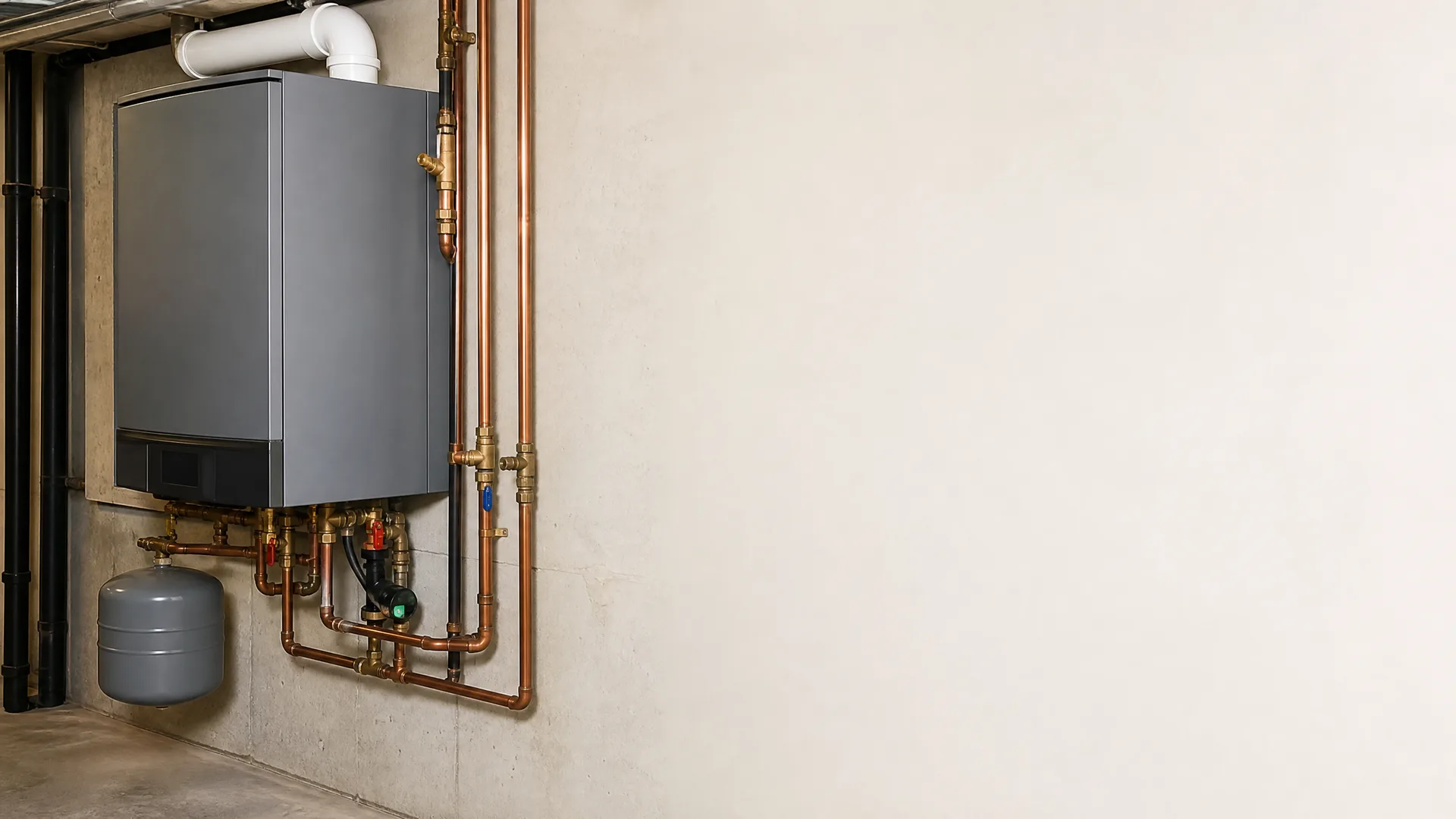
A gray wall-mounted boiler with copper piping, valves and a gray expansion tank installed on a plain concrete basement wall.

What the valve is rated for

A typical residential boiler relief valve is set to open at 30 psi, or whatever pressure the manufacturer stamped on it. It's doing exactly what it was built to do when it opens above that number. The valve isn't the problem in that case. Something upstream, usually the expansion tank or the fill valve, is pushing the system past the point where the relief valve has no choice but to let water out.

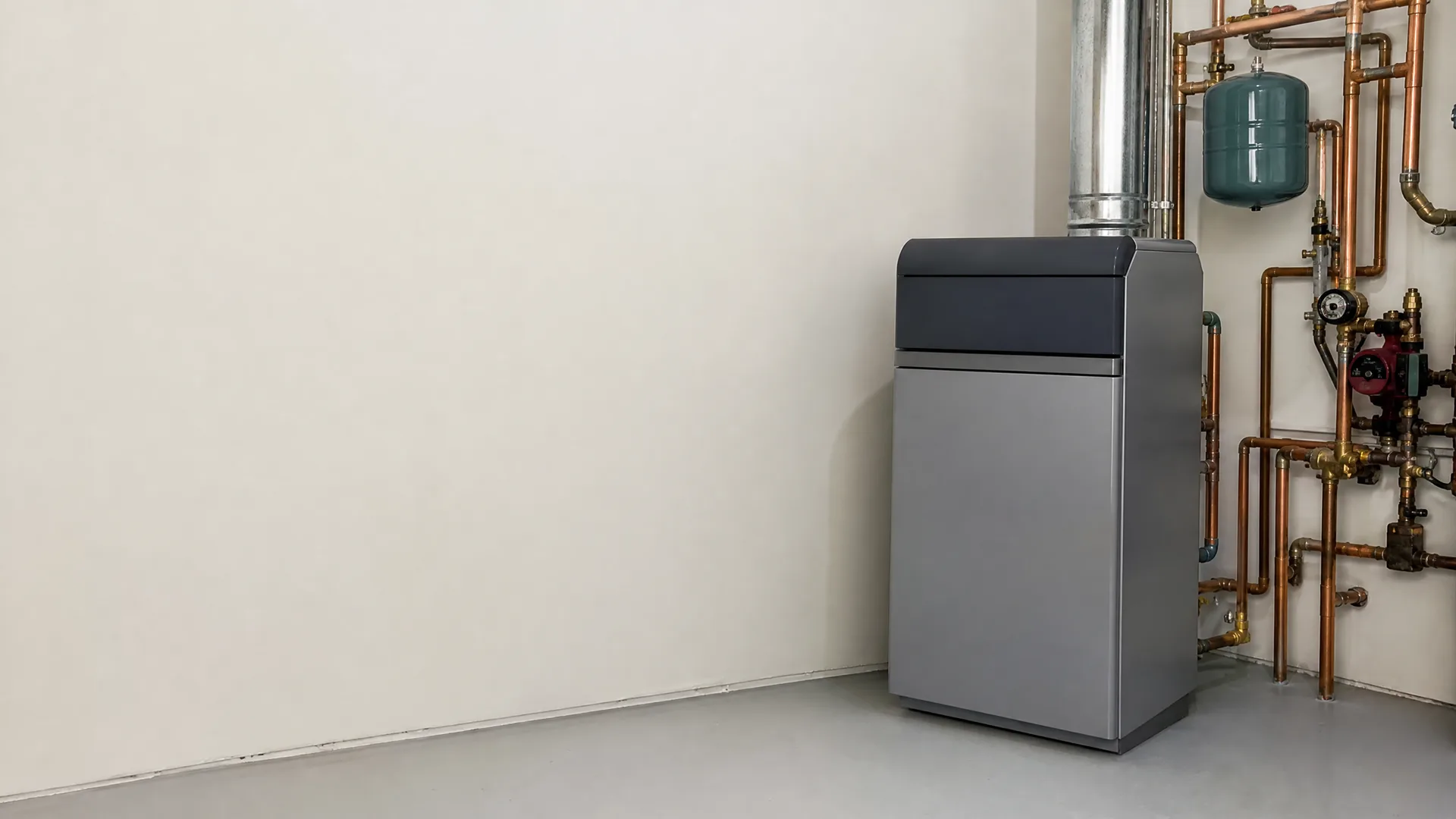
A grey floor-standing boiler with a metal flue pipe stands in a corner of a bare room next to copper pipework, valves and a green expansion tank mounted on the wall.

Why the drip won't stop alone

The seat inside the valve is a precision fit, and once it's been forced open by high pressure or scored by mineral buildup in the water, it rarely closes all the way again. A valve that's opened once under stress can start weeping at normal pressure afterward, even if the original cause gets fixed. That's why a one-time pressure spike can turn into a slow drip that sticks around for months.

Winter nights average 41°F statewide

A 41°F night doesn't ask much of a boiler running on electricity, which is how most homes here heat. The system doesn't need to push hard to keep up, so if the relief valve is dripping, the pressure behind it isn't coming from a brutal heat load. Something else is pushing it up.

NOAA nClimDiv 1991-2020 county normals weighted by homes

Let it keep dripping and ignore it. The puddle dries, the ring comes back, and you tell yourself it's minor because the boiler still fires and the house still gets warm.

Pressure that's high enough to open a relief valve doesn't go back down on its own, and a valve that's dripped once has already started wearing at the seat. The next drip comes sooner, not later.

A bearded man in a dark navy sweater over a collared shirt smiles and looks off to the side while seated at a dinner table with a glass of red wine, a lit candle, and a plate of food in the foreground of a dimly lit room.
A woman in a dark gray sweater reclines on a couch with her eyes closed and a knit blanket over her lap, an open book resting face-down in front of her, with a lit table lamp and shelving blurred in the background.
A closed silver laptop and a glazed ceramic mug on a wooden table, with a blurred kitchen counter, potted plant, cutting board and window in the background.

A dripping valve has a cause, and it's findable

The valve opening isn't random. Pressure built past 30 psi or whatever your valve is rated for, or the water got hotter than it should, or the valve itself is worn and won't reseat. One of those is happening at your boiler right now, and a look at the expansion tank, the gauge, and the valve itself will usually tell you which.

Finding that out yourself means calling a few places, explaining the drip and the puddle and the gauge reading to each one, then sitting with quotes that don't line up because nobody looked at the same boiler. A local contractor who works on these systems all winter has usually seen this exact failure before, on a system like yours, and can tell you straight whether it's the tank, the valve, or something upstream of both.

A gray upholstered sofa with a beige cushion and knit blanket beside a curtained window, with a white mug and a book on a dark wooden table in the foreground and a lit lamp in the background.
A single-story stone-clad house with low-voltage path lights along a gravel bed and lawn at dusk, with a tree line and orange sky on the horizon.

Boiler Repair

One form, no calling around

Step 1 of 3: Equipment
  • A living room corner with a beige upholstered armchair holding a green pillow and knitted throw, a ceramic table lamp on a side table, white built-in bookshelves, a framed landscape print, a curtained window, and a round wooden table with a lit candle and bowl in the foreground.
    • Tell a local repair pro what your boiler is doing.
    • Describe your boiler job, and a local pro who handles it gets in touch.
  • A lit table lamp with a tapered beige fabric shade and a speckled rounded ceramic base sits on a wooden surface beside a potted plant, with curtains and a window in the background.
    • After you send the request, you're done searching.
    • Send the request today and stop worrying about who to call.
  • A cream upholstered armchair with a gray pillow and knit throw sits beside a wooden table with a eucalyptus-filled vase, in front of a lit stone fireplace with stacked firewood.
    • Describe what your boiler is doing once, in one form.
    • Answer a few questions instead of calling shop after shop.
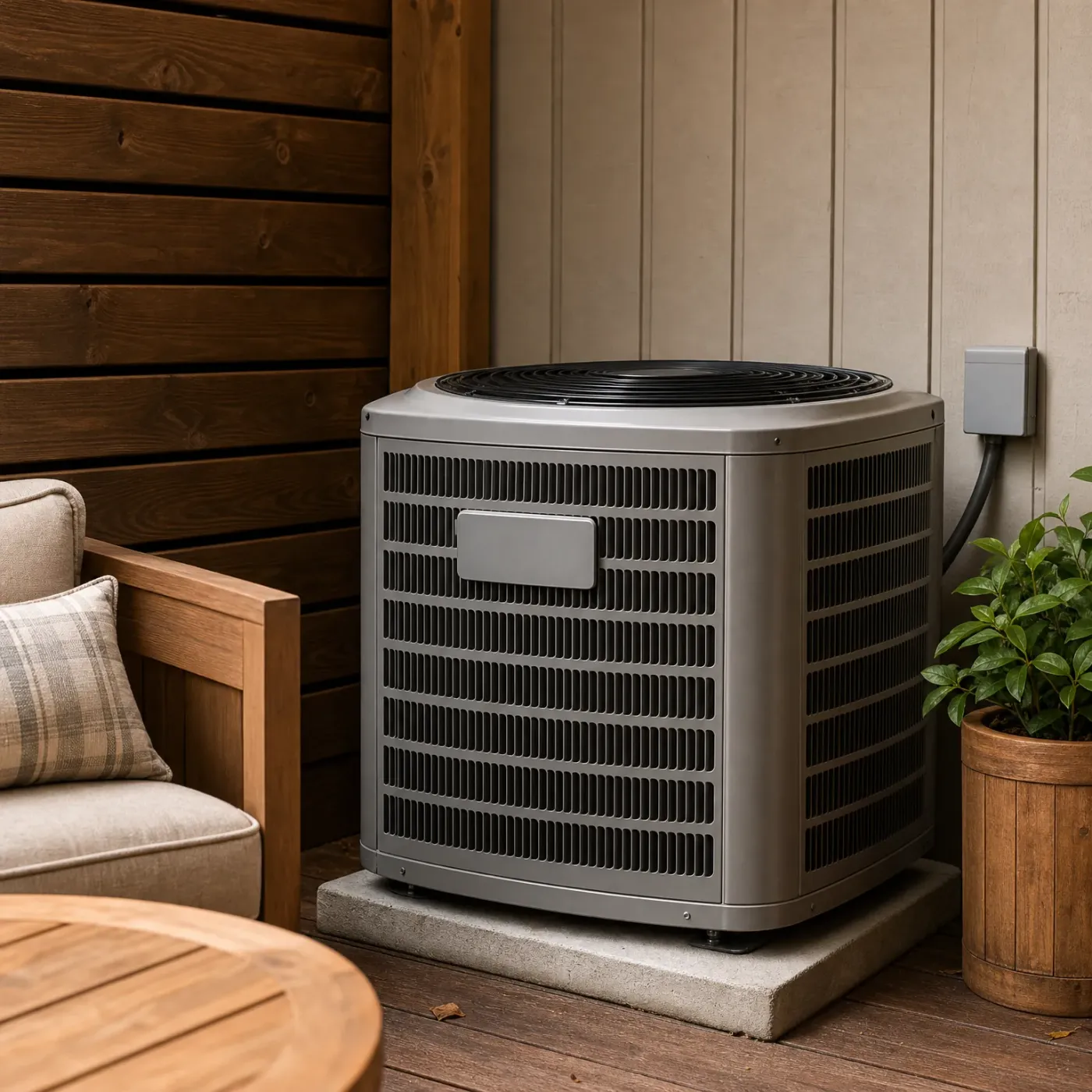
  • A gray outdoor air conditioner condenser unit on a concrete pad beside a wood-sided wall, with a horizontal wood slat fence, a cushioned patio chair, a wooden table, and a potted green plant nearby.
    • The pro who reaches out is licensed in Texas.
    • Only one pro gets your request, so you hear from one company.