Once you send the form, finding a pro is off your list.
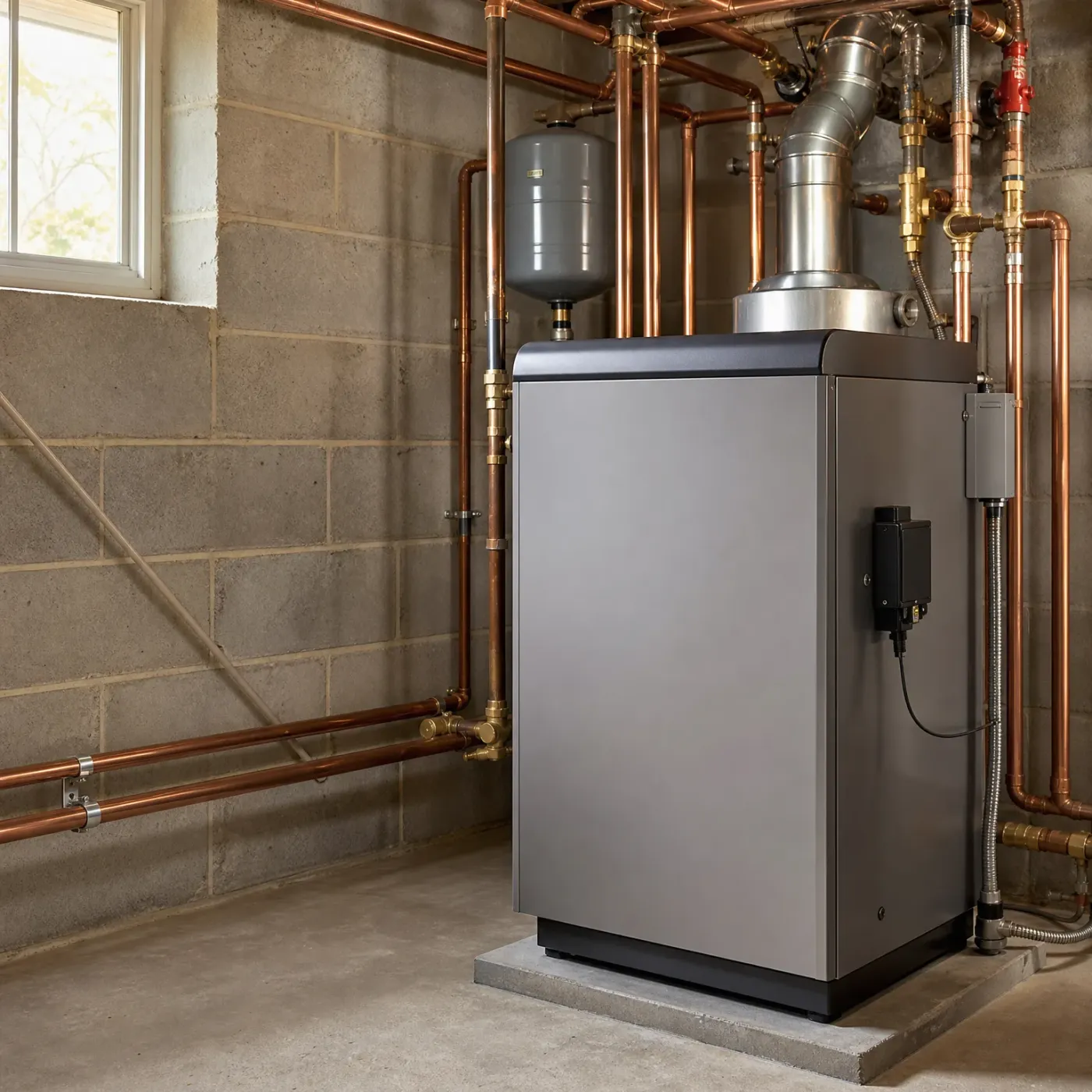
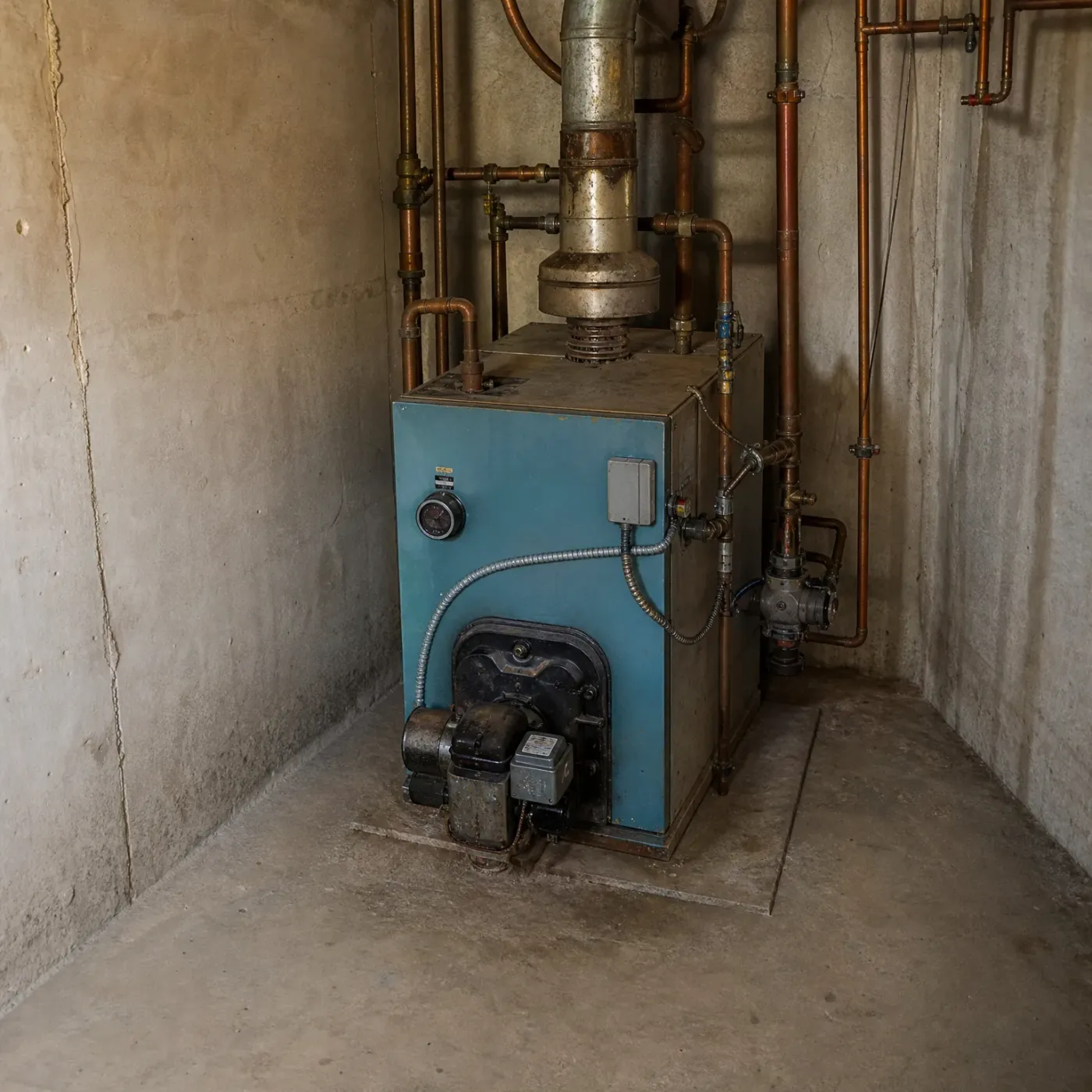
A boiler that keeps losing pressure is telling you something is letting water out, or letting air in where water should be. In Texas that boiler is probably carrying a smaller share of the work than it would further north, since most homes here heat with electricity, but on the days you run it, you need it to hold steady. A gauge creeping down toward zero over a week, or dropping every time the system fires, points to a leak somewhere in the loop: a valve, a fitting, the expansion tank, sometimes the relief valve doing exactly what it is supposed to do because the pressure got too high in the first place.
None of that is something to chase down room by room on your own. Boilers are a different animal from the straight-air systems most Texas homes run, and a lot of general HVAC work never touches one. It takes someone who actually services boilers to know whether that slow drop is a pinhole leak in a pipe, a tank losing its charge, or a valve that is not seating right, and to know which of those is the one actually happening in your house.
Send the request and that search becomes someone else's job instead of yours. You get matched with one contractor, local to you, licensed, and someone who works on boilers in Texas homes regularly enough to know what usually goes wrong and what rarely does. Not a handful of companies calling at once, trying to beat each other to your door. One call, from someone who already has a sense of what they are walking into before they look at your system.
That is the part that changes once the form goes in. You stop being the one responsible for figuring out who to trust with it.
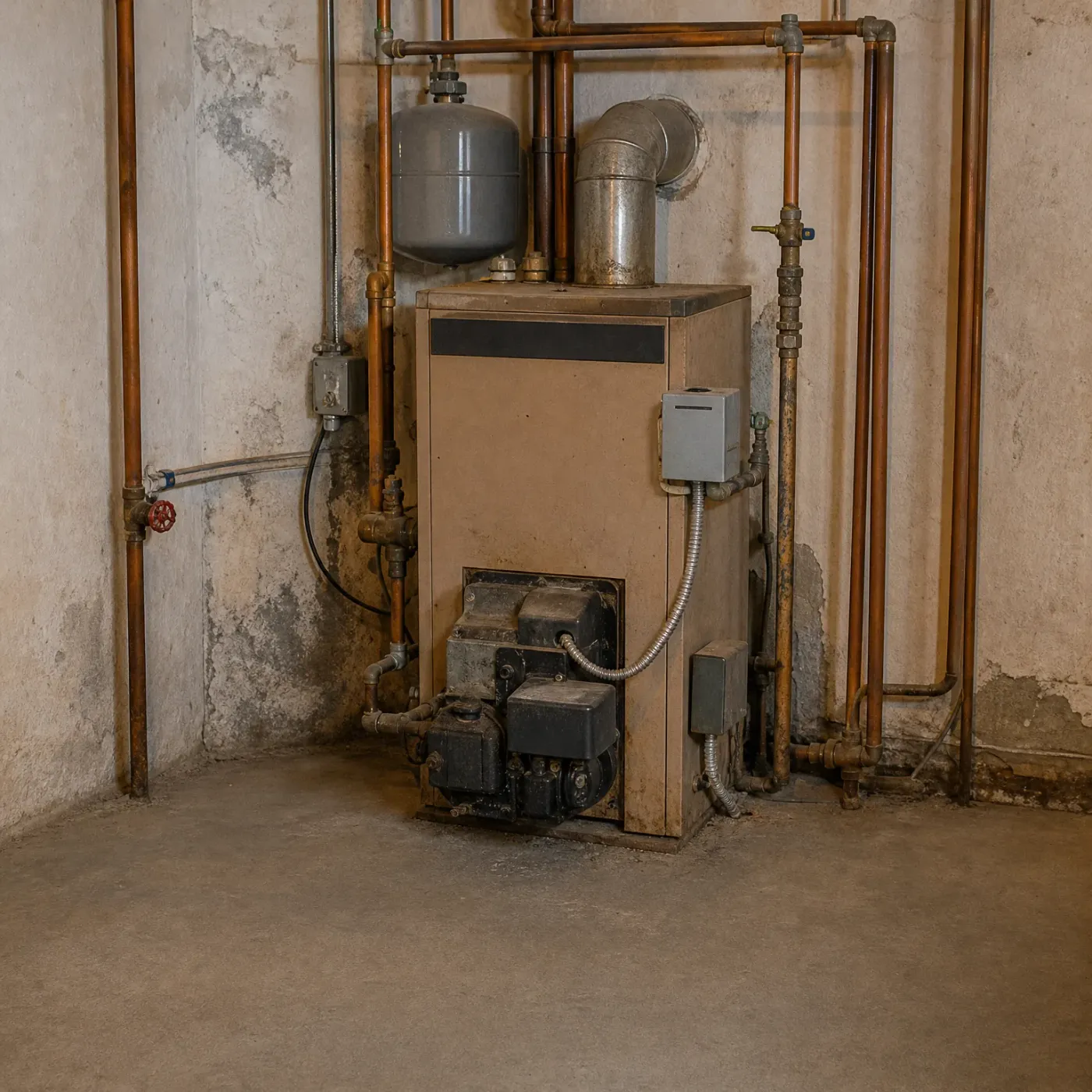
A boiler loses pressure when water is getting out somewhere, or when the system needs to be topped up more often than it should. Most of the time it's a slow leak, at a valve, a pipe joint, or inside the boiler itself, and the drip can be small enough that you never see a puddle. It can also be a faulty pressure relief valve letting water out when it doesn't need to, or an expansion vessel that has lost its charge and can no longer absorb the system's normal pressure changes. If your boiler runs for only part of the year, in a Texas home that's using electric heat the rest of the time, a slow leak can go unnoticed longer between uses, since nobody is watching the pressure gauge in July. By the time you notice it reading low, water has likely been escaping for a while, and the fix depends on finding exactly where.
Winter nights average 41°F statewide
At 41°F on a typical winter night, your boiler isn't working especially hard, but it is still cycling on through the night. Each cycle puts pressure on whatever joint or valve is already weak, so a slow leak shows up as a drop on the gauge morning after morning.
NOAA nClimDiv 1991-2020 county normals weighted by homes
Hand off the boiler problem
Your request goes to one pro, not a list of companies.
After you send the request, you're done searching.
Before you get your boiler repairAfter you get your boiler repair
What's actually letting water or air into my boiler system?
You keep topping off the pressure and it keeps dropping, so you want to know which part is actually failing rather than just watching the gauge. You're not looking for a guess, you want the actual path the water or air is taking so you know whether this is a quick fix or something more involved.
Usually a valve, a joint, or the expansion tank
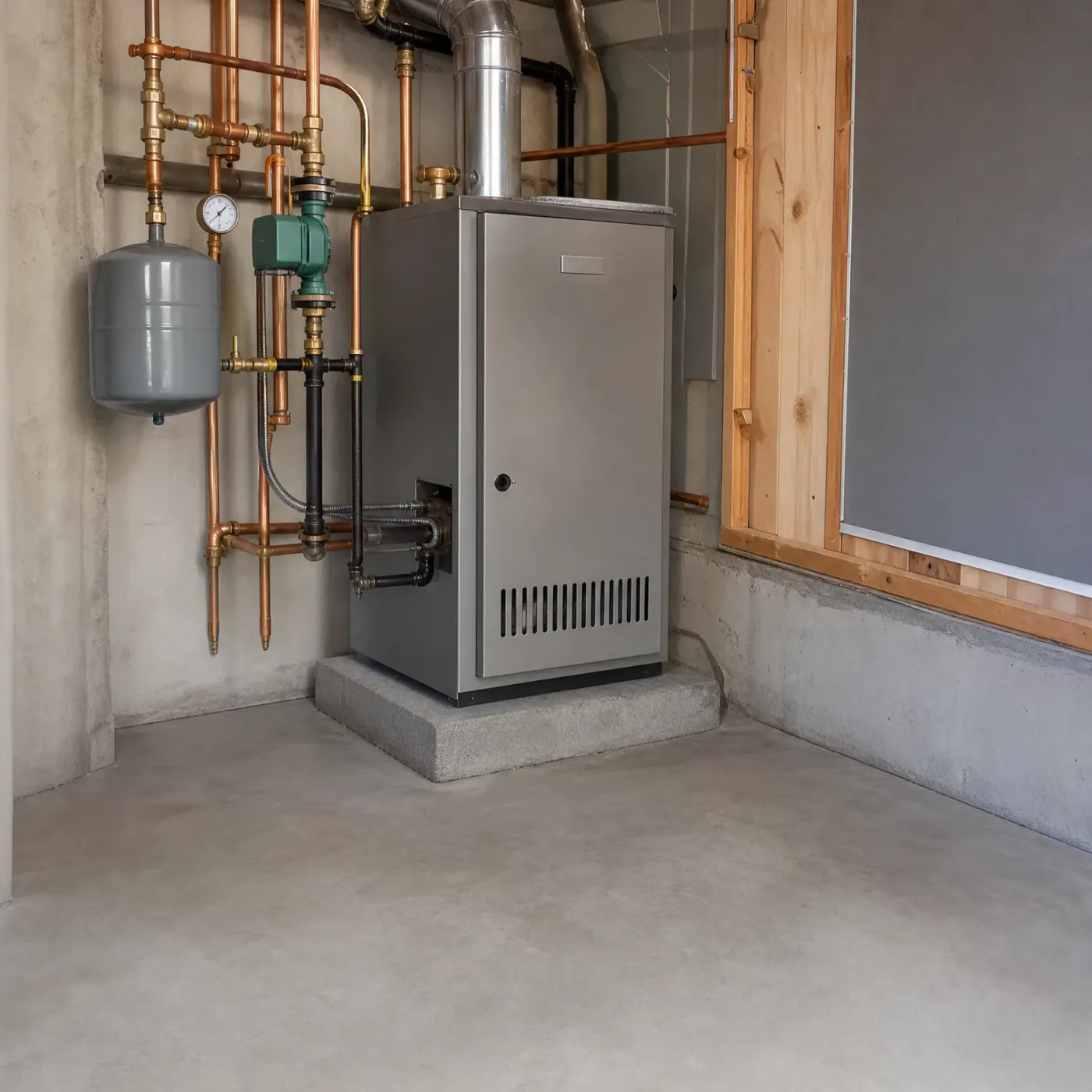
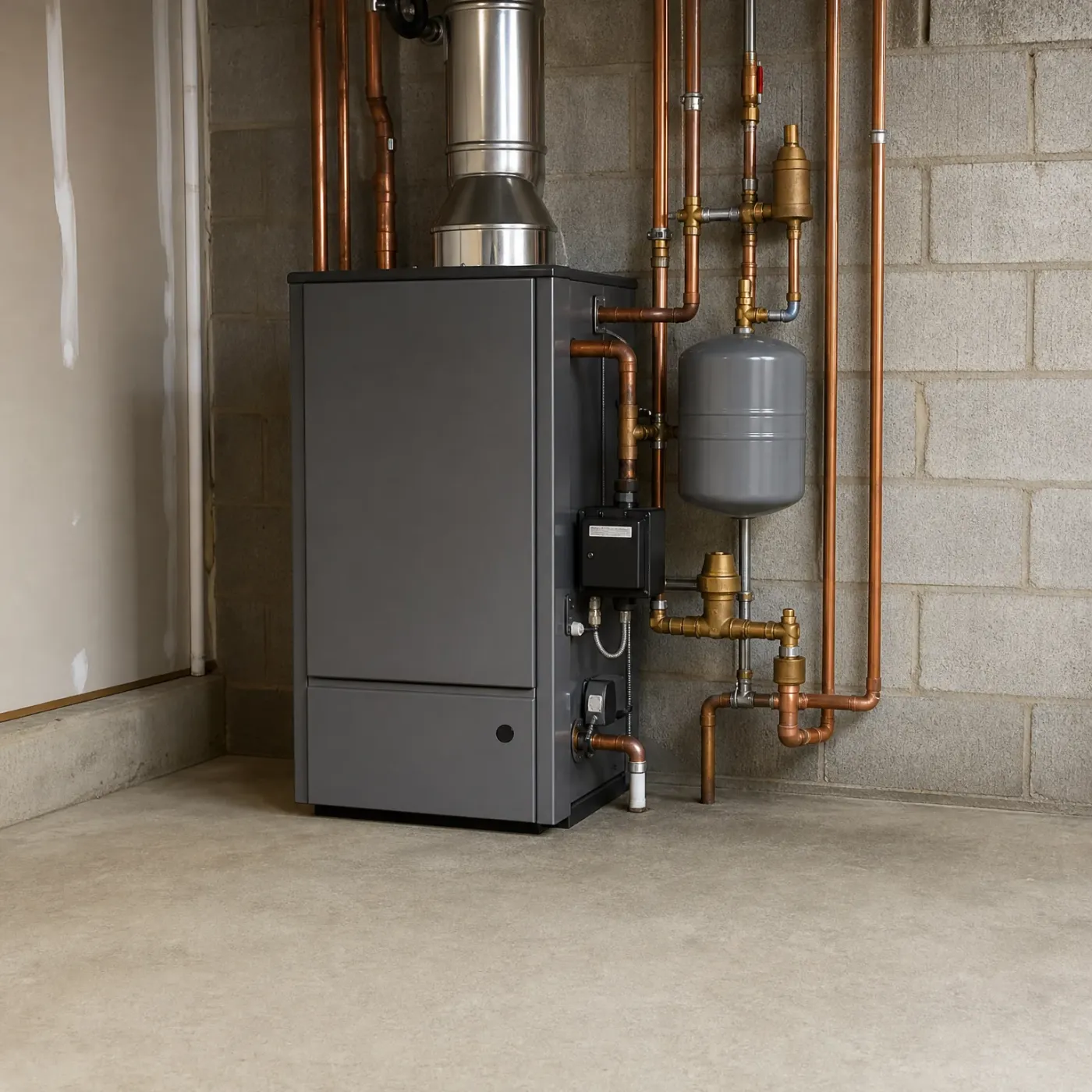
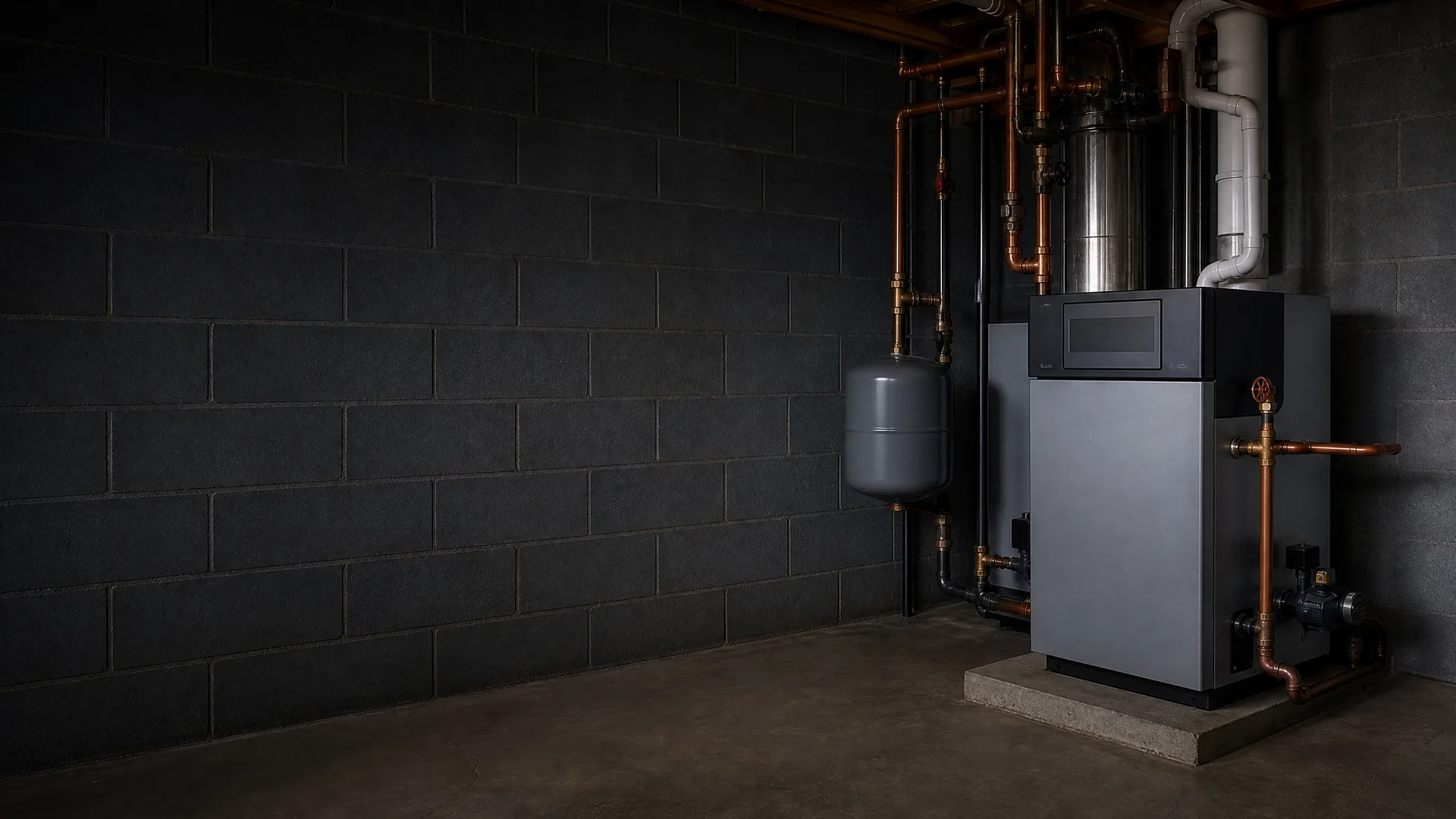
Three places account for most of it. The pressure relief valve can weep a little water each time the system heats up, and that loss adds up over a week without ever showing as a puddle. A joint or fitting somewhere in the pipe run can do the same, especially one that's been through a lot of heating cycles. The third is the expansion tank. It holds a pocket of air that gives the water room to expand when it heats, and if that air bladder fails, the tank fills with water instead of air, and pressure swings become harder to control. A contractor checks these in that order, since the valve and the joints are easier to rule out first.
Holding steady
The gauge sits where it should and the pipes and valves around the unit are dry. Pressure stays put from one cold night to the next, which means whatever is sealing the system, the joints, the valves, the boiler itself, is still doing its job.
Losing ground
Water has been getting out somewhere along these pipes or past the burner assembly, and the gauge keeps telling you so. A boiler that needs refilling week after week is wearing on a seal or a valve that a repair can actually find and fix.
Where the pressure drop leads
A boiler that keeps dropping pressure has a leak or a stuck valve somewhere in the system, and that's a repair, not a top-up.
Topping off the gauge each week covers the symptom while the leak or the faulty valve keeps working underneath.
A local contractor who services boilers through a Texas winter has already seen most of what causes this in homes like yours.
Sending one request means one licensed contractor looks at your boiler, not a handful of companies calling about the same job.
Once the actual part is found, whether it's a valve, a joint, or something inside the boiler, the pressure holds on its own.
You already know the gauge is wrong every morning, what's left is getting someone who works on this equipment to find the part that's failing.
A boiler that keeps losing pressure is pointing at one thing: water or air is moving somewhere it shouldn't, through a valve, a joint, or a seal inside the unit. Topping off the gauge buys you a few days, not an answer. The part that's actually failing keeps failing underneath whatever number you last put back on the dial.
Texas winters don't push a boiler hard the way a harder climate would, since electric heat carries most homes here. But that doesn't mean the leak stops. A weak joint drips whether the boiler is running once a night or cycling through a cold snap, and the gauge will tell you about it either way.
Finding the actual valve or joint is a job for someone who sees this equipment all winter, not a guess from across the room. A contractor who services boilers through a Texas winter has already run into most of what causes this in homes around you, and knows where to look first instead of chasing the gauge from part to part.
Send one request and one licensed, local contractor takes the job, not a string of companies working the same lead. That contractor looks at your system, finds what's actually letting water or air past, and fixes that part instead of the symptom. Once it's sealed, the pressure holds on its own, morning after morning, without you touching the valve at all.