
Why one radiator stays cold in a Texas winter
A cold radiator in a boiler system almost always means air trapped in that one unit, or a valve that's stuck. Hot water moves through the loop under pressure, and if air pockets inside the radiator, water can't fill it, so it stays cold while the rest of the house heats fine. The fix is usually bleeding the radiator, letting trapped air out through the small valve at its end until water runs steady. If bleeding doesn't bring heat back, the problem is more likely the inlet valve itself, stuck shut or clogged with sediment, or a balancing valve set wrong so that radiator never gets its share of hot water. Either way it's a repair, not something that clears on its own. In a Texas winter the rest of your system may rarely run hard enough for you to notice one radiator lagging, which is often why it goes unfixed for a while. Left alone, a stuck valve tends to get harder to open, not easier.
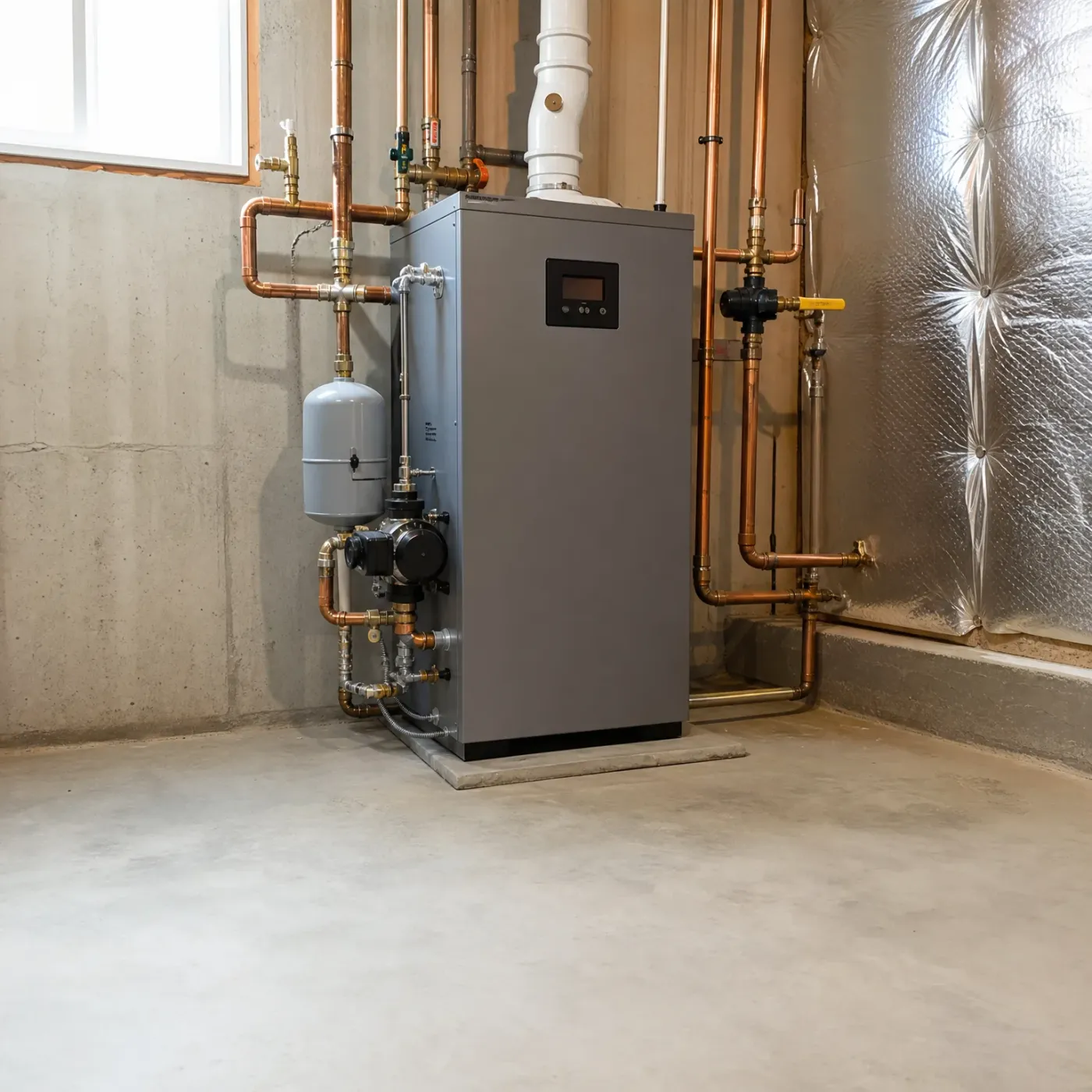
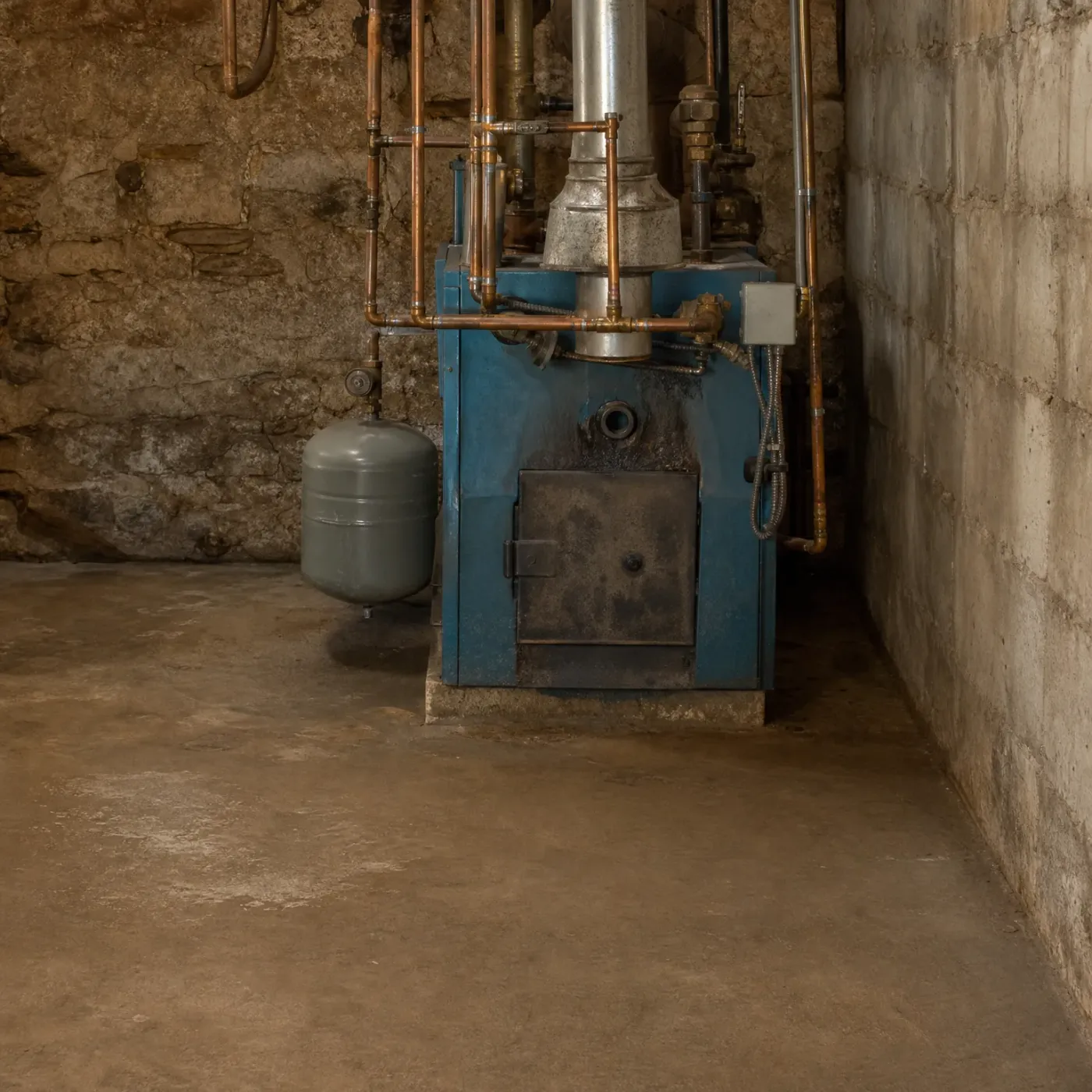
Most radiators have a square fitting near the top called a bleed valve. Air gets trapped in there over time, and since air takes up space that water needs to fill, the radiator stays cold while the rest of the loop runs hot. Opening that valve with a key lets the air hiss out, and once water starts coming out steady, the radiator can fill all the way and heat again. That fixes it more often than not. When it doesn't, the cause is usually one of two things. A thermostatic or manual valve on that radiator may be stuck closed, cutting it off from water even though the loop is pressurized and moving everywhere else. Or the whole system has lost pressure, which tends to show up first in whichever radiator sits furthest from the boiler. A valve that's corroded or seized shouldn't be forced. The stem can snap, and then the fix is a lot more than tightening a fitting. That's a job for someone who works on these systems and can tell a stuck valve from a pressure problem without guessing.
How a cold radiator gets fixed
- Each radiator has a bleed valve, usually a square fitting near the top, that lets trapped air escape so water can fill the space.
- Bleeding a radiator means opening that valve with a key until water comes out steady, with no hiss of air left in it.
- A thermostatic or manual valve stuck closed cuts off water to the radiator even though the rest of the loop is pressurized and moving.
- Boiler loops lose small amounts of pressure over time, and low system pressure can leave the radiator furthest from the boiler short of water.
- A valve that's corroded or seized often needs a contractor to free or replace it, since forcing it can snap the stem.
- If bleeding the radiator doesn't fix it, the problem is more likely the valve or the pressure in the loop, not the air.




Hand off the search today
A boiler system in Texas doesn't get worked as hard as a furnace up north, and most houses around here lean on electric heat the rest of the time anyway, so a cold radiator can sit like that for weeks before anyone deals with it. Bleeding it yourself can clear a simple air pocket, but if the valve itself is stuck or the real problem is sediment or a failed zone valve, that's a different job, and guessing at it can mean draining or damaging the system further. A local contractor who services boilers through a Texas winter has seen this exact complaint plenty of times and knows which of those it usually is before even touching the unit. Sending the request means one contractor who works on this equipment gets it, not a pile of calls to sort through, and the cold radiator stops being something you have to figure out alone.
A radiator valve has a spindle inside that moves a small washer onto a seat to shut off flow. If that spindle seizes from disuse, the valve can stay stuck closed even when you turn the handle.
That's why one radiator can be bled, checked, and still stay cold. The valve itself never opened, so no water ever had a path in, no matter how much air you let out.
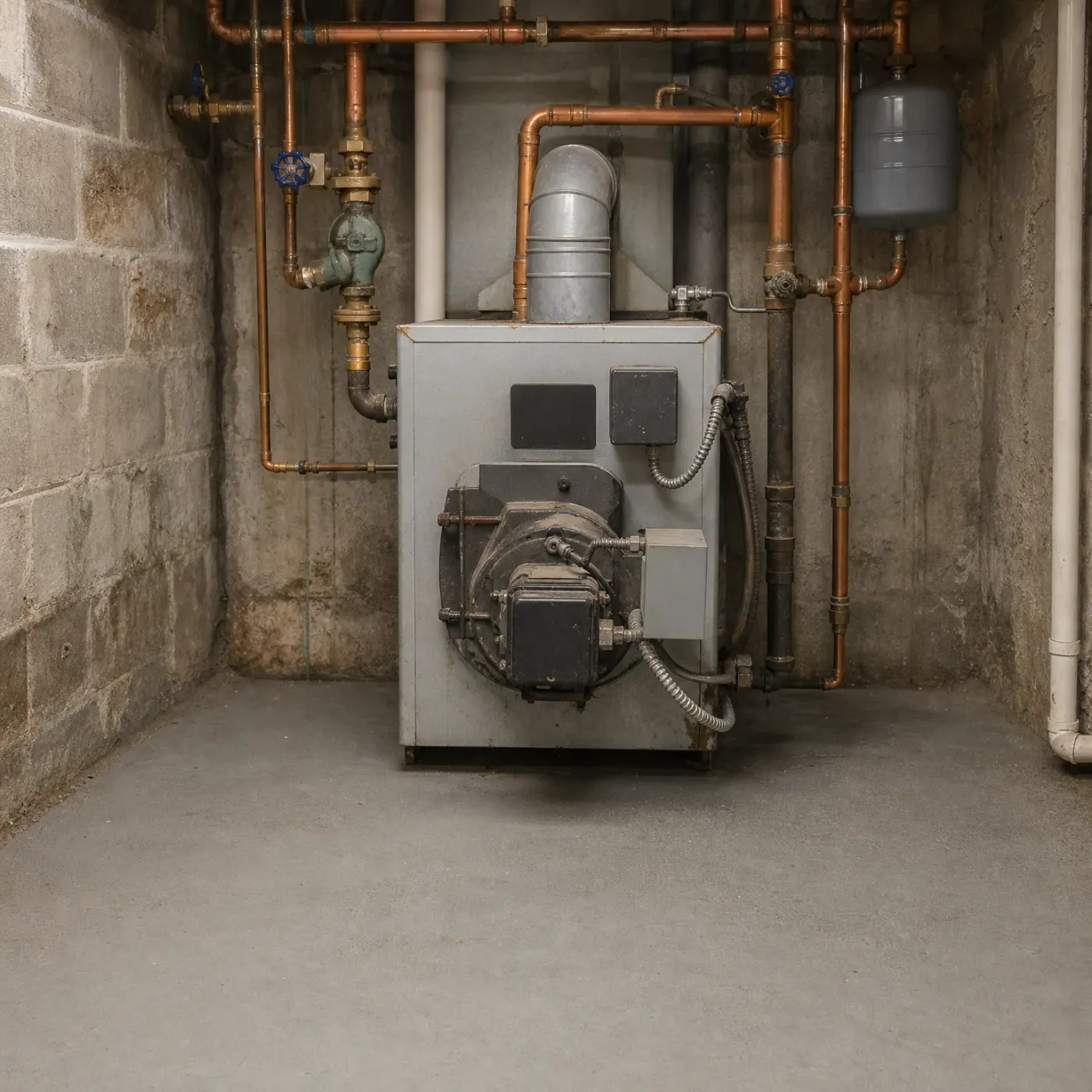
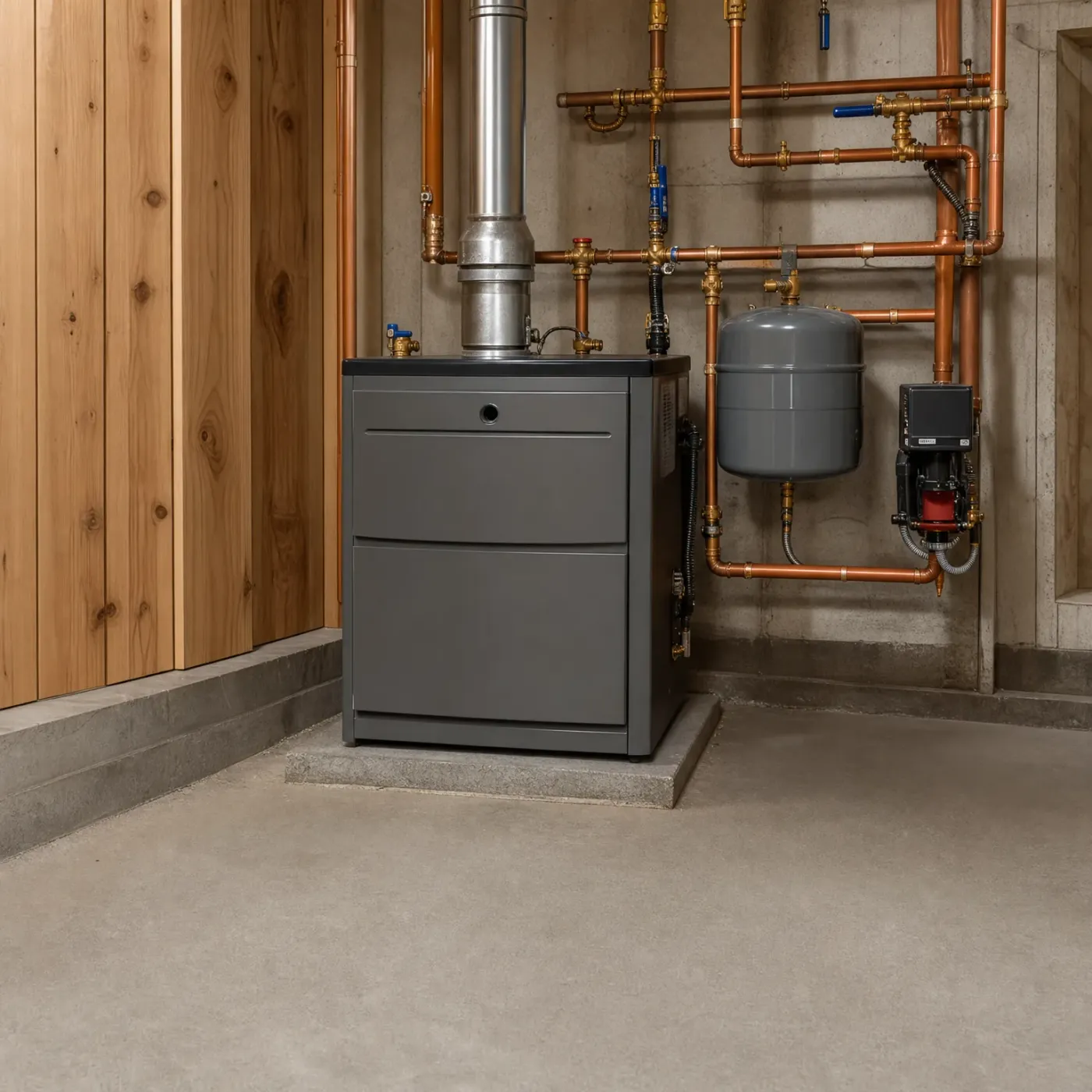

A contractor checks the bleed valve first to rule out trapped air.
If water sprays out steady right away, air wasn't the problem.
The valve spindle gets tested next by working the handle closed and open.
A seized spindle gets freed, replaced, or the valve gets swapped out.


Winter nights average 41°F statewide
Boiler at 41°F overnight does not run flat out here the way one would up north. It cycles, rests, cycles again. That on and off pattern is exactly when a spindle has the chance to seize or air works its way into one radiator while the rest stay fine.
NOAA nClimDiv 1991-2020 county normals weighted by homes
One Radiator, One Likely Fix
- A cold radiator while the rest of the house heats points to trapped air or a stuck valve spindle, not a failing boiler.
- Bleeding the radiator settles which one it is, since a steady stream of water with no hiss means the air wasn't the cause.
- A seized spindle needs a contractor's tools to free or replace, since forcing the handle further can snap it off in the valve body.
- A licensed contractor working Texas boilers every winter has usually opened that exact valve before and knows which part tends to seize first.
- One contractor means one visit and one diagnosis, not several opinions and several trucks showing up to look at the same radiator.
- Once you know what's keeping that radiator cold, the fix is a short, specific job rather than a guessing game.
A cold radiator in a house where everything else is warm comes down to one of two things. Air sitting in the unit, or a valve spindle that's seized shut from sitting unused. Bleeding it tells you which one you're dealing with. Water sprays steady, the air was the problem and it's solved. Nothing comes out, or the handle won't turn past a certain point, the valve itself is stuck, and that's not a job for more force on the handle. A spindle that snaps off in the valve body turns a simple fix into a bigger one.
This is routine work for a contractor who handles boilers through a Texas winter. Systems here cycle on and off rather than running steady the way they would further north, and that on-off pattern is exactly when a spindle seizes or air works into one radiator while the rest stay fine. Someone who services these systems every season has opened that valve before, more than once, and knows which part on it tends to go first.
Once the contractor is on site, it's one visit. One person looking at the actual radiator, not several companies taking turns guessing over the phone. That matters more than it sounds like it should, because a stuck valve either gets freed, gets replaced, or the radiator gets swapped, and that decision is easier made once, by someone who already knows what they're looking at.
The radiator being cold isn't a sign the boiler is failing. It's a sign that one valve needs attention the rest don't.




Hand off the boiler problem
Only one pro gets your request, so you hear from one company.
You're not committing to anything by asking.