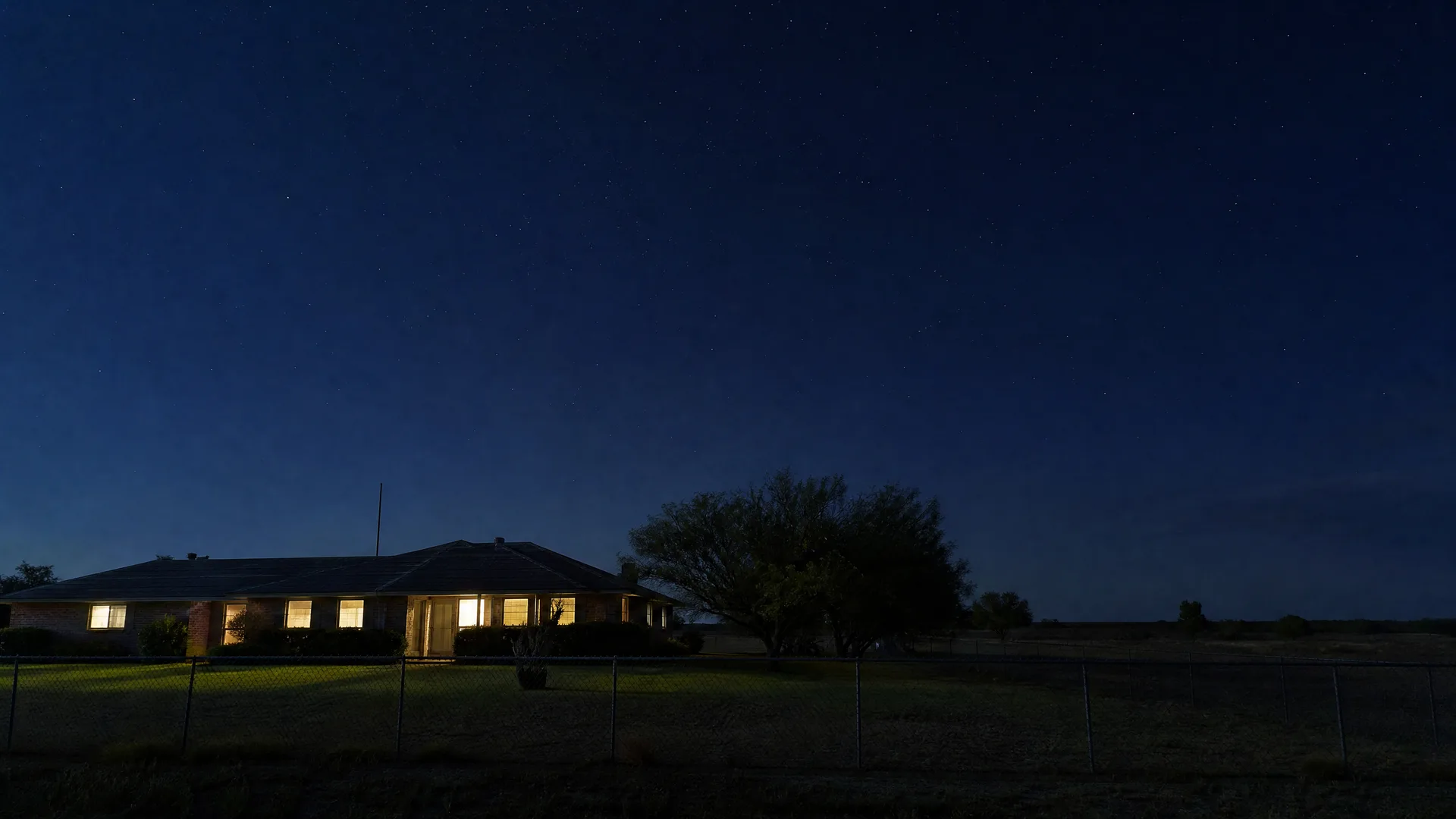
Still doing its job
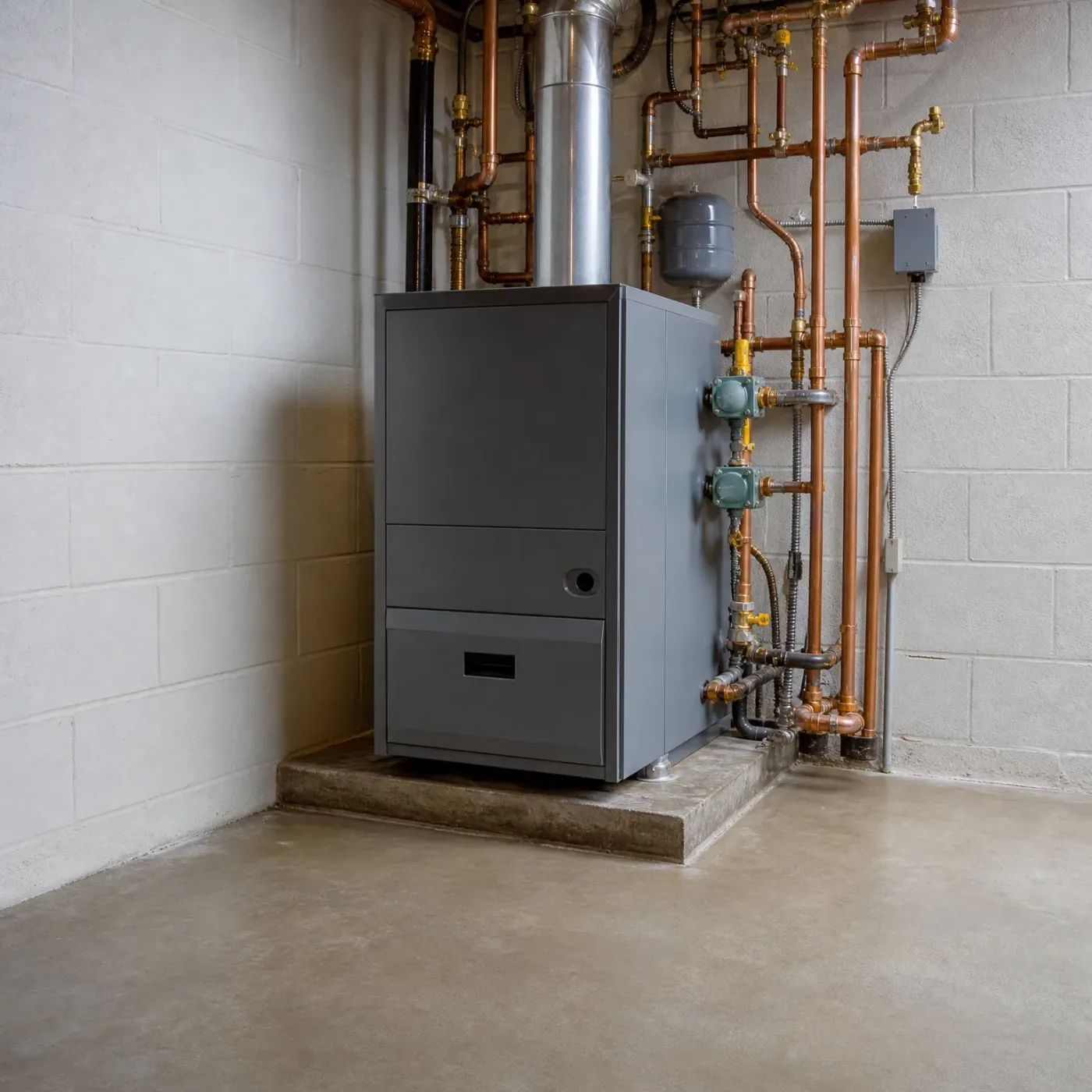
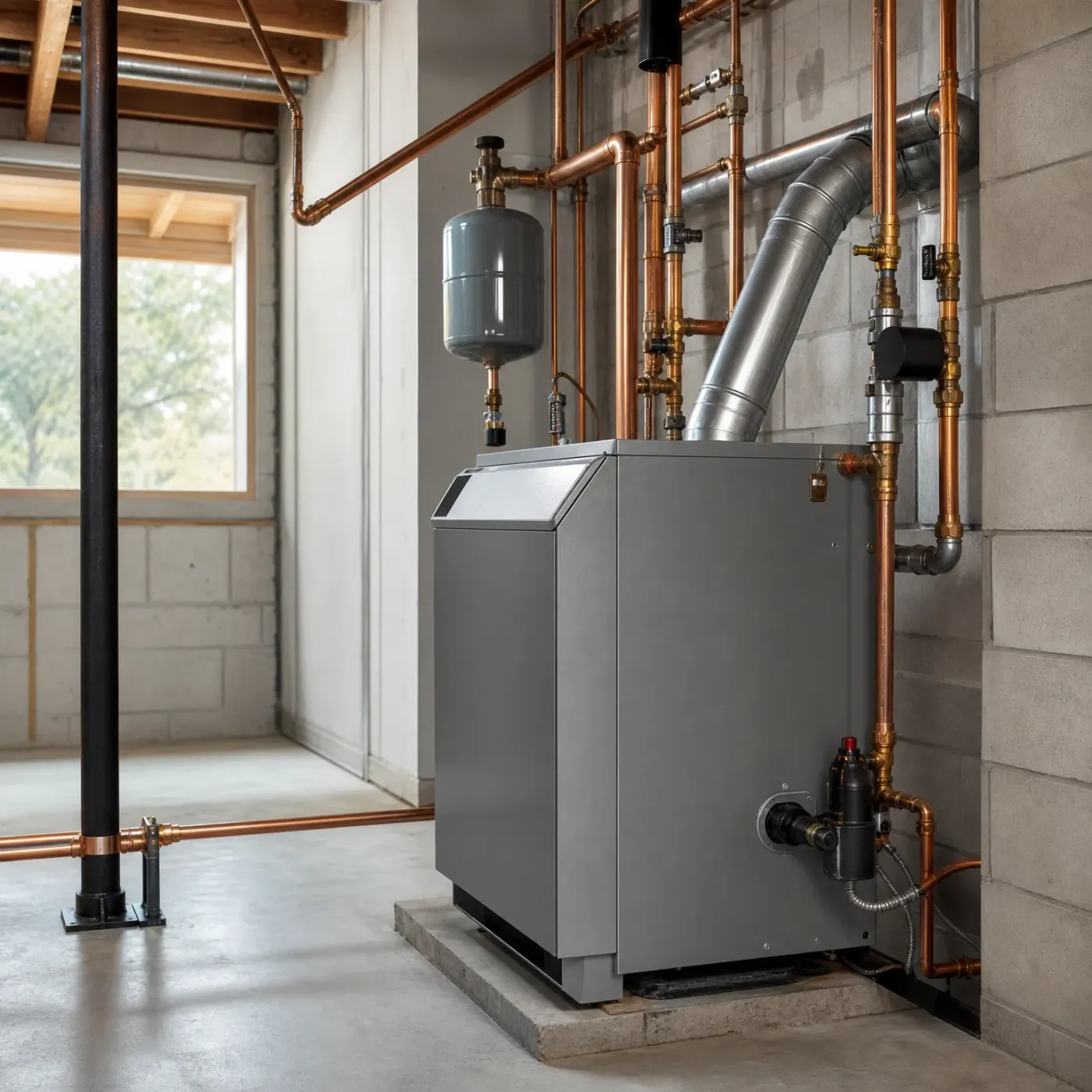
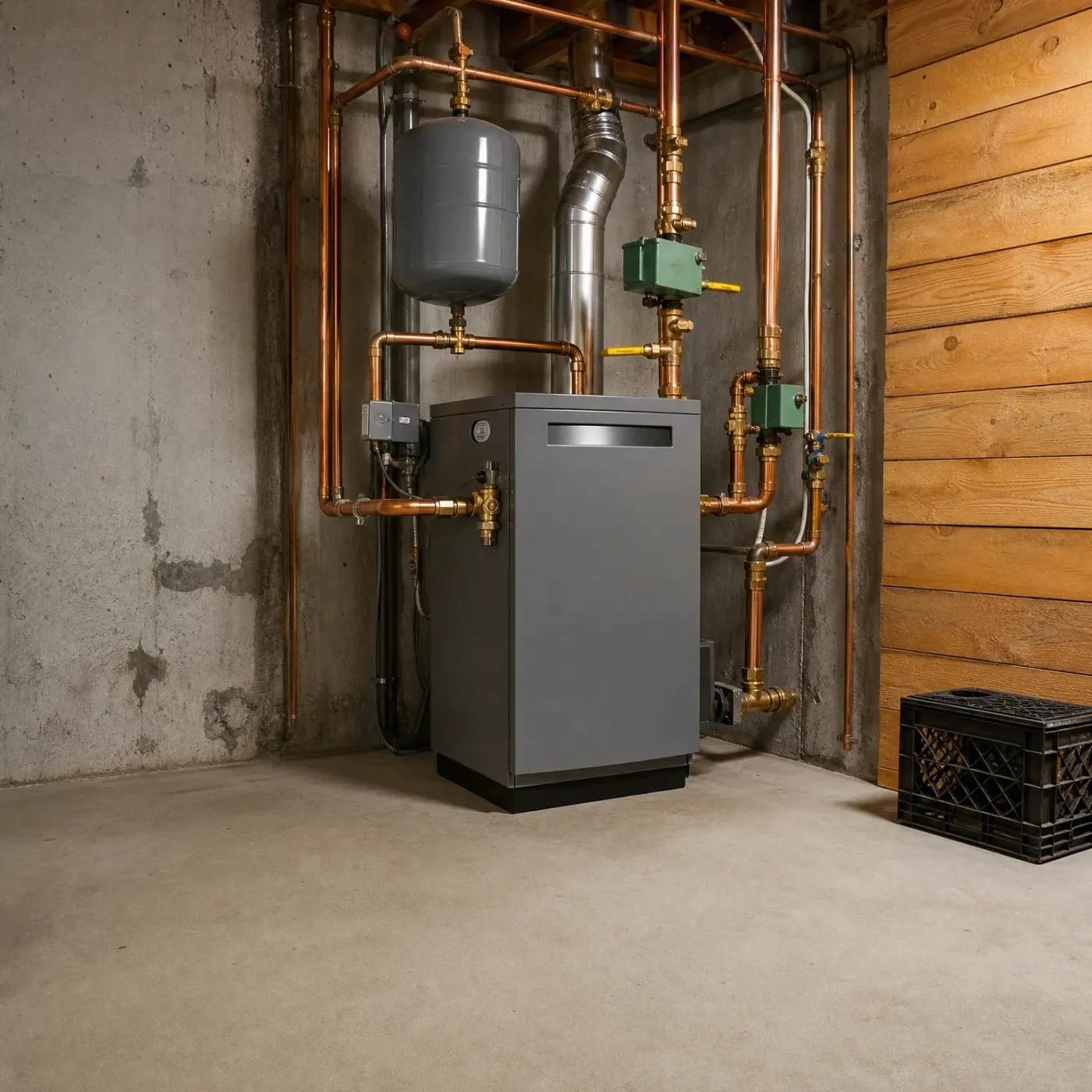
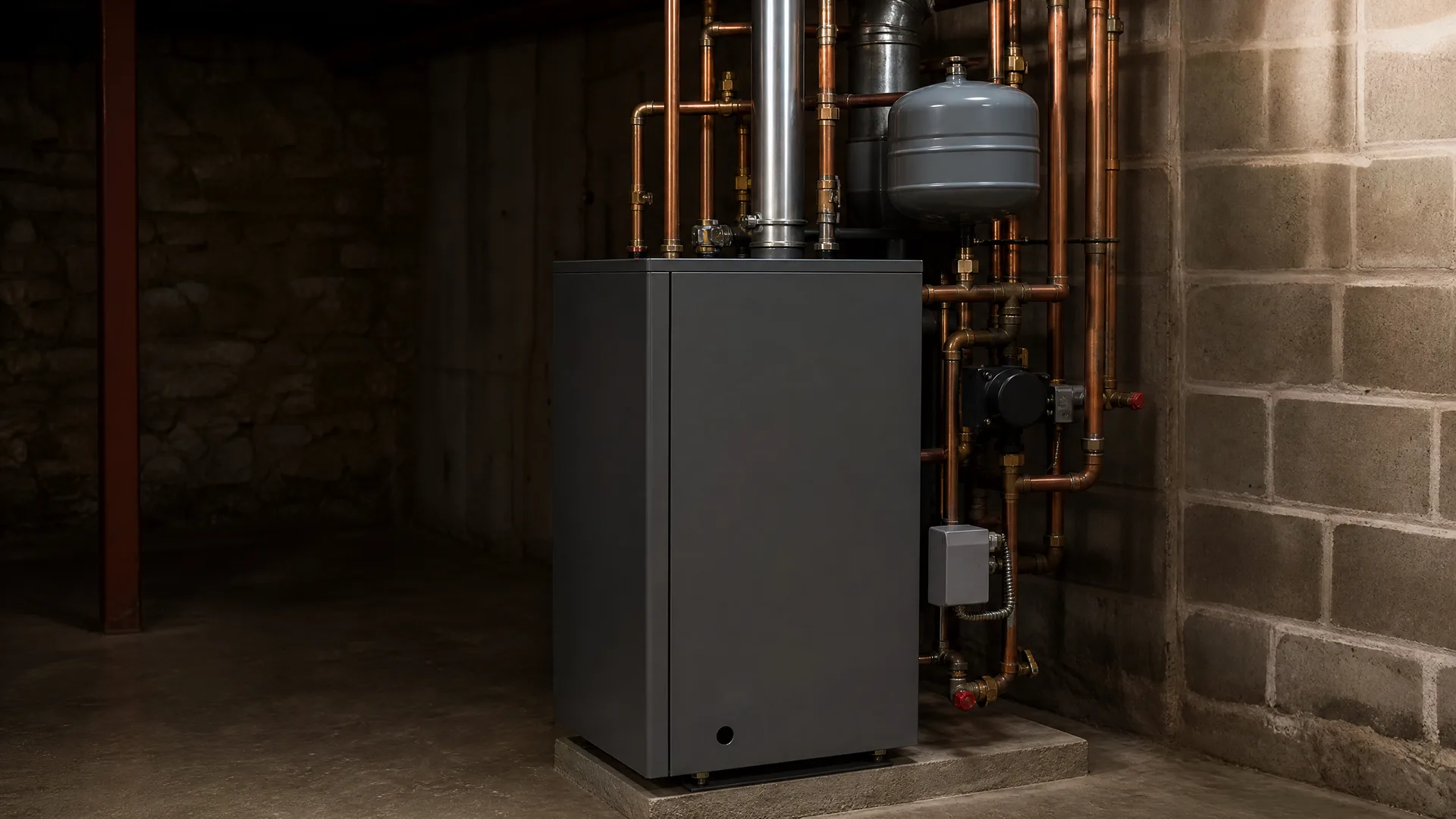
Pressure holds steady on the gauge, the circulator pump runs quiet, and the expansion tanks keep the system balanced. A boiler like this heats evenly through the mild Killeen winter without short cycling or strain.
Boilers are less common around Killeen since most homes here heat with electricity, so if yours is on its way out, you may not have a lot of people nearby to compare notes with. Age matters more than any single breakdown. A boiler pushing past its expected lifespan that needs a repair is usually not worth fixing again, especially once parts get harder to find for an older unit. Winters here are mild, so the pressure isn't the cold, it's knowing whether to spend money on a repair or put that money toward a new system instead. That's the call worth getting right, and it starts with someone looking at your actual boiler, not a general rule. Answer a few questions about your situation and you'll be matched with a contractor who handles installs in Bell County. They'll reach out to you directly, so you're not the one chasing quotes or guessing what your boiler needs next.
Most boilers last between 15 and 20 years, and that range matters more than whatever went wrong with it last week. If yours falls in or past that window and it's starting to need repairs more than once a season, replacing it usually makes more sense than fixing it again. Winters around Killeen are mild, so a boiler here doesn't work as hard as one further north, and that can stretch its life toward the longer end of that range. But a boiler that's losing pressure on its own, short-cycling, or leaking at the base is telling you something age alone won't fix. Rising noise, longer run times to reach the same temperature, or a jump in your heating bill without any other explanation point the same direction. Since boilers aren't common here, a straight comparison with a neighbor's system isn't always possible, so leaning on its age and what it's doing lately is the clearer way to decide.




Winter nights average 39°F
Winter nights here average 39°F, December through February. That's mild by most standards, but it's still enough for a failing boiler to leave a house cold.
Heat runs November through March
Heat runs about five months a year here, November through March. An old boiler doesn't get a long break to prepare for the next stretch.
86% of homes heat with electricity
86% of homes in Bell County heat with electricity, which is part of why boilers are less common here and parts can take longer to source.
NOAA nClimDiv 1991-2020 · ACS 2020-2024
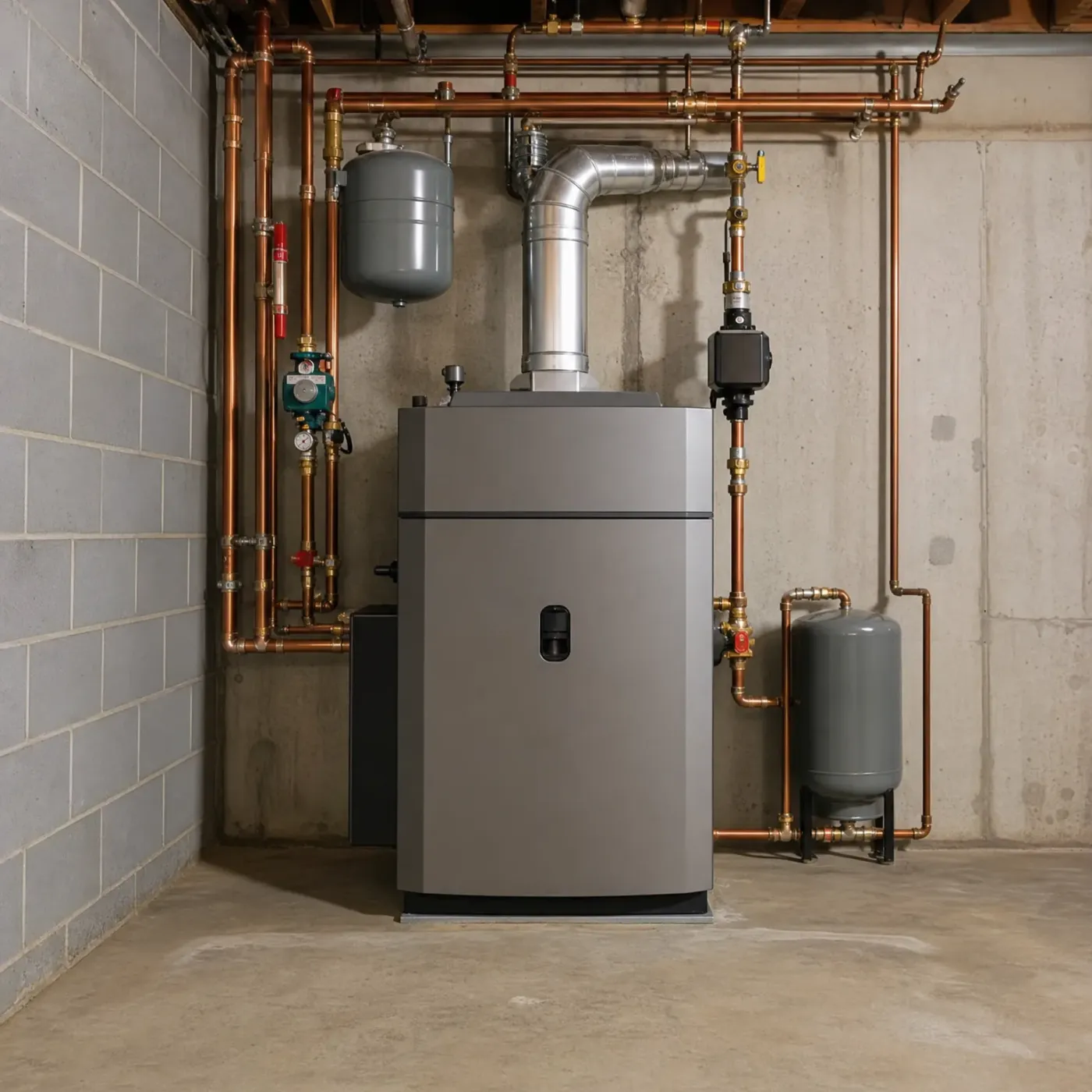
Pressure holds steady on the gauge, the circulator pump runs quiet, and the expansion tanks keep the system balanced. A boiler like this heats evenly through the mild Killeen winter without short cycling or strain.
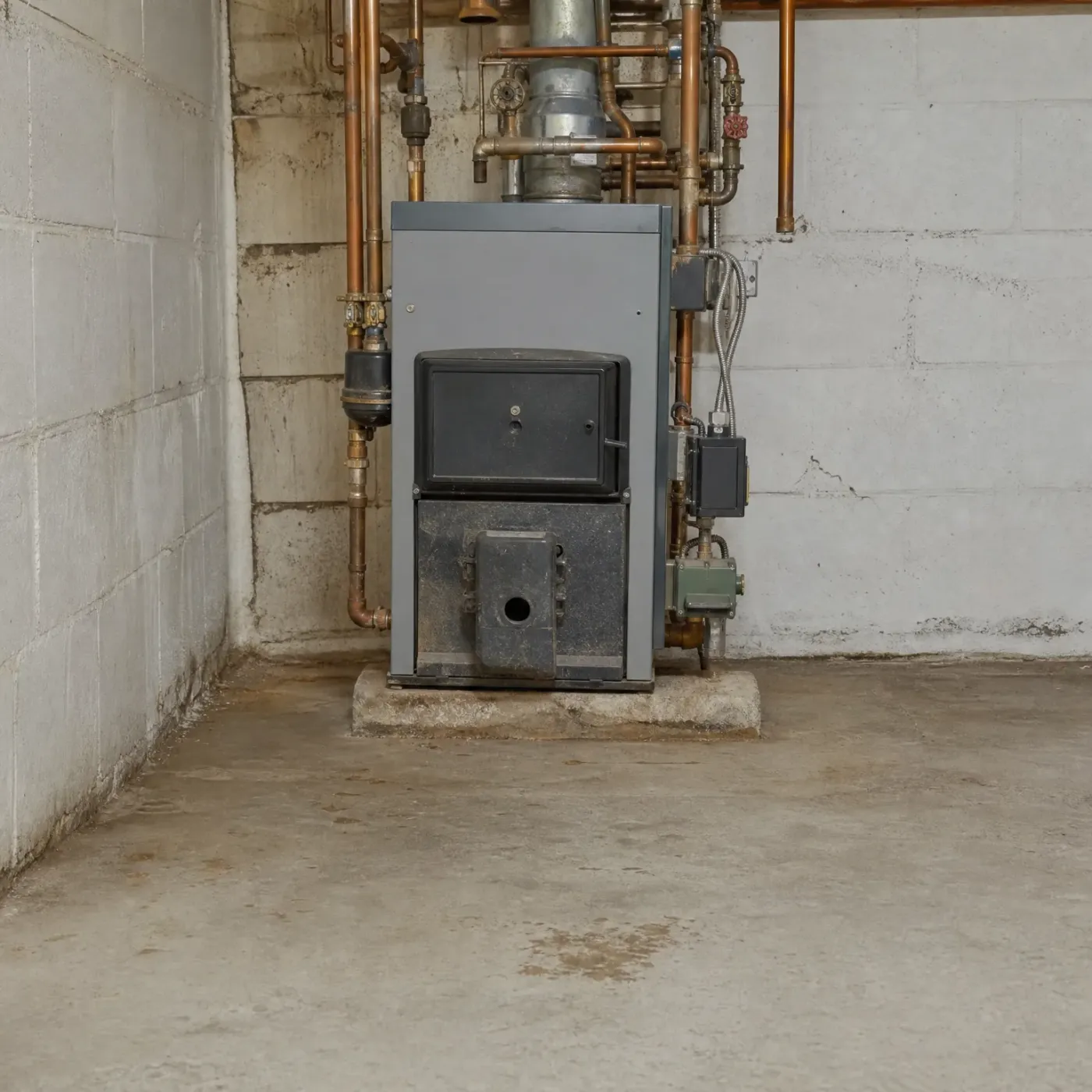
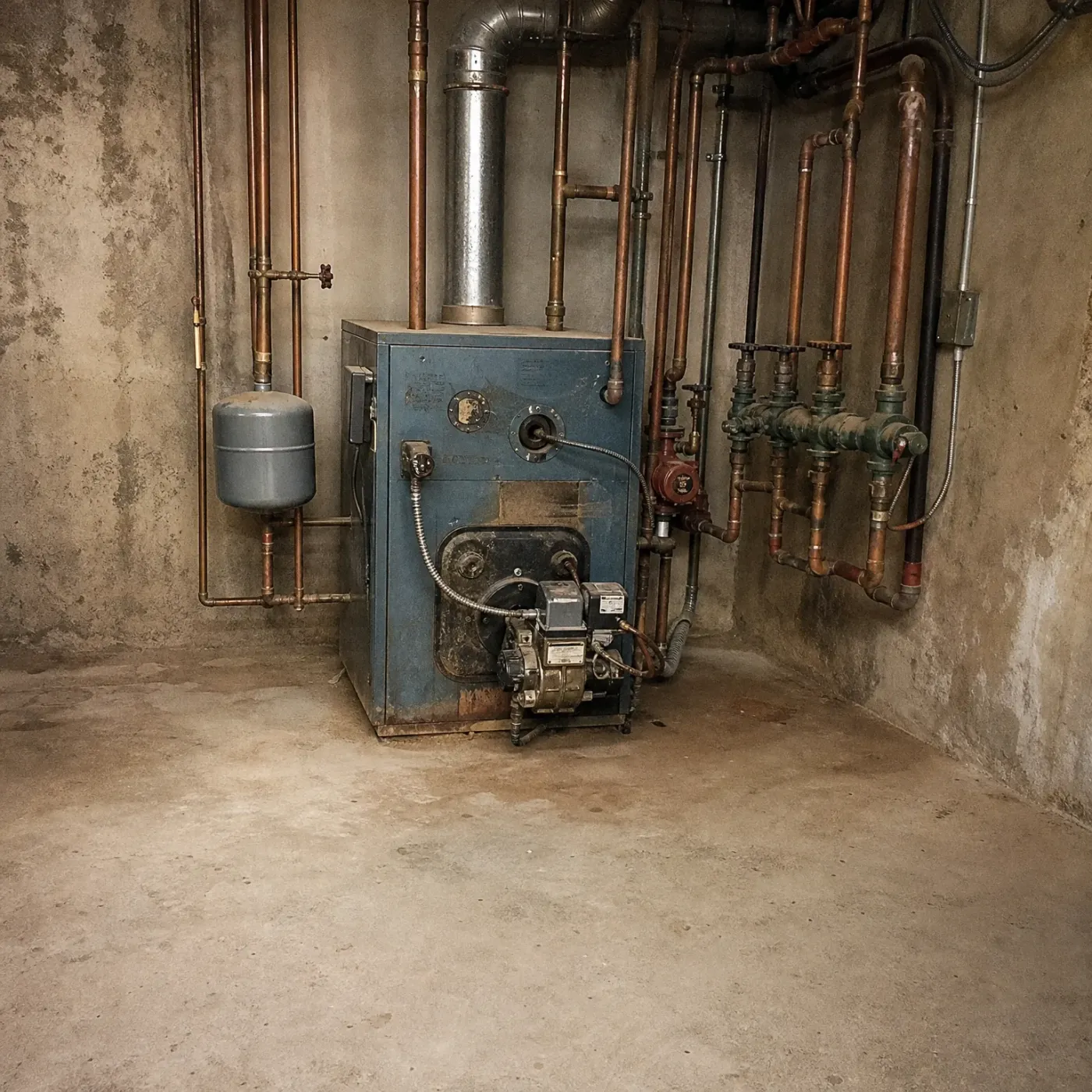
Rust on the flue components, a cracked pad underneath, an electrical box that's been patched more than once. A boiler set up like this is more likely to fail on a cold night than get through another winter without one.
A boiler acting up doesn't always mean it's finished. You've probably had it looked at before for a minor issue, and now you're trying to figure out if this time is different, or if a repair will get you through another winter the way it has before. The trouble is telling a bad patch from the real end of the thing.
A thermocouple, a circulator pump, a pressure relief valve, these are parts that wear out on their own schedule and get swapped without touching the rest of the boiler. That's a repair, not a warning sign by itself. What matters more is the heat exchanger. If that's cracked or corroding, there's no part to swap in, and a contractor will tell you the boiler itself is done. The other tell is frequency. One repair in a few years is normal wear. A second or third call in the same winter, especially once the unit is past 15 years old, means the repairs are chasing a boiler that's breaking down generally, not failing in one spot.
Cold water fills the boiler through the feed valve first.
A gas valve or igniter fires the burner, or an element heats electrically.
Water heats and rises through the heat exchanger toward the top.
The circulator pump pushes hot water out to radiators or baseboards.
You might hear the boiler clank or kick on more than it used to, or notice a radiator that stays lukewarm while the others get hot. Maybe the pilot keeps going out, or there's a drip near the base you've been meaning to look at. Some rooms take longer to warm up than they did last winter. None of that stops the house from heating today, but it means the boiler is working harder to do the same job. Left alone, a leak can damage flooring or drywall nearby, and a system that's straining tends to fail on the coldest night, not a mild one.
Send the form and stop researching installers for the new boiler.
Get in touch with a local installer about a new boiler.
Sending the form costs nothing.
39°F isn't extreme, but it's cold enough that your boiler runs steadily most nights from December through February. A unit near the end of its life has to work harder to hold that output, and that strain is usually where cracks and leaks start to show.
NOAA nClimDiv 1991-2020
If the boiler is under 15 years old and this is the first real problem it's had, fixing it is usually the right call. A new circulator pump, a replaced valve, or a repaired igniter can put it back on track for years. Parts for most boilers are still available at that age, and a single repair bill is almost always less than the cost of a new unit. If the pressure holds once the repair is done and the rest of the system (the expansion tank, the heat exchanger, the flue) looks sound, there's no reason to replace something that still has years left in it. One bad part doesn't mean the whole system is failing.
If the boiler is past 15 years and this isn't the first repair call this winter, replacing it starts to make more financial sense than patching it again. A unit that age has already strained through a lot of mild Killeen winters, and the parts wearing out now (the heat exchanger, the tank itself) are the expensive ones to fix. Once those start failing, a repair might hold for a few weeks before something else goes. A new boiler installed now means not gambling on whether it survives the next cold snap in December, and it won't leave you without heat on the night it matters most.


Age is the number that matters most. A boiler in its first fifteen years with one bad part usually earns its repair. A boiler past fifteen or twenty years, calling for help more than once a season, is telling you something a new valve won't fix. Look at what's actually in front of you: galvanized flue pipe, a tank that's starting to go, valves that won't hold pressure the way they used to. None of that comes from one bad week. It comes from years of running the system hard, which is exactly what a Bell County winter asks of it. Nights here average 39°F from December through February, mild by most measures, but enough to keep an older boiler working steadily for months at a stretch. That steady demand is where the strain shows up first, in a cracked seam or a leak at the base. None of this means you have to work out the answer alone. Once you send the form, a licensed contractor takes it from there and reaches out to you directly, so the search stops being something you have to manage on top of a cold house. Whether the right move is a repair or a full replacement, it comes down to the two things that have run through all of this: how old the boiler is, and how often it's been asking for attention.
A local pro for your boiler installation