Profile view of a bearded man wearing a black baseball cap and a dark gray T-shirt against a plain light background.

What size boiler a Texas home needs

Step 1 of 3: Equipment

What size boiler do I need for my house in Texas?

Most Texas homes you'd find a boiler in are heating with electric resistance or heat pump systems already, so a boiler usually shows up tied to a specific need: a radiator setup left from an older build, or a hydronic system someone added for even heat. You want to know the right size before you replace or install one, because a boiler that doesn't match the house either struggles or wastes power keeping up.

The right size comes from a heat loss calculation, not the square footage alone

A contractor sizes a boiler by figuring how much heat your house loses on the coldest days it sees, not by a simple size chart. That number depends on how many square feet you're heating, how many exterior walls and windows the house has, and how much insulation is behind the walls and in the attic. Two houses the same size in Texas can need different boilers if one has more windows or less insulation than the other. Because winters here are mild compared to much of the country, Texas homes often need a smaller boiler than a similar house up north, but mild doesn't mean the calculation can be skipped. A boiler sized too big cycles on and off more than it should. One sized too small won't keep the house warm on the coldest nights.

A gray-haired bearded man in a dark coat and scarf dusted with snow stands smiling in a dimly lit entryway with a white front door, a side table with a lit lamp, an oval mirror, and a patterned rug.
An older bearded man in a dark snow-dusted coat and gray scarf stands just inside a dimly lit home entry, with a framed picture, lit table lamp, and an adjoining room with a fireplace behind him, and snow visible through the open door.
A gray-haired, bearded man in a dark snow-dusted coat stands smiling in a dimly lit entry hall with a staircase, a lit table lamp, a framed picture, and a living room visible through a doorway.
An older man with gray hair and a beard, wearing a dark jacket dusted with snow, stands smiling in a dimly lit hallway with lamps and a living room visible behind him.

Is your boiler actually sized right for your house

A boiler that's too big for your house will short cycle, turning on and off in quick bursts instead of running a steady stretch. You'll notice rooms heating unevenly, some radiators scalding while others stay lukewarm, and your electric bill creeping up even though the house never feels warm enough. One that's too small runs constantly during a cold snap and still can't keep up, which wears on the system faster than normal use would. Either way, the mismatch shows up as higher bills and a shorter life for parts like the heat exchanger. If your boiler is tied to an old radiator setup, sizing matters even more, since those systems don't forgive a poor match the way a new install might.

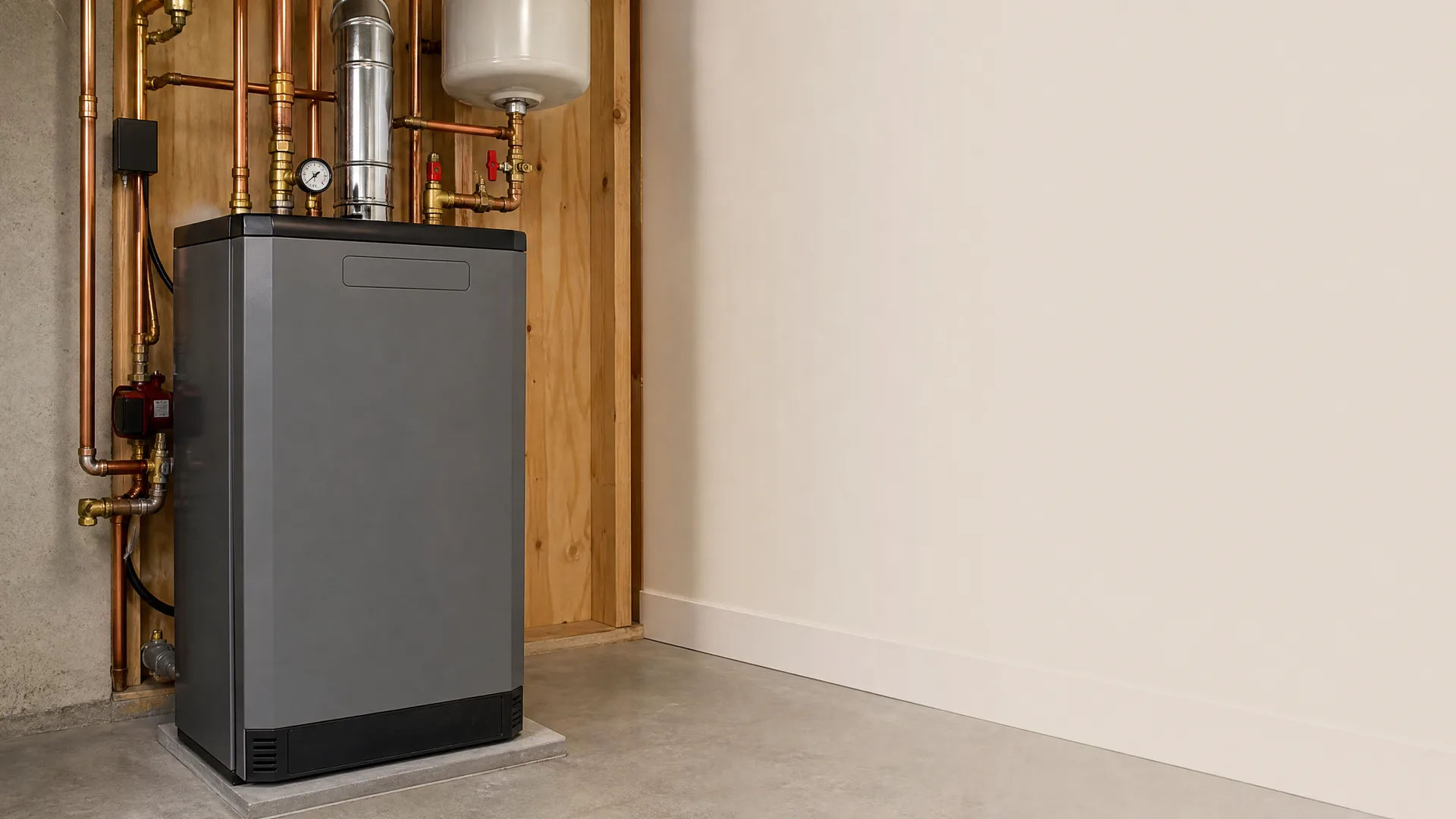
A dark grey floor-standing boiler on a concrete floor in front of a plywood wall, with copper pipes, valves, a pressure gauge, a flue pipe and a white expansion tank above it, beside a plain light-coloured wall.

How a load calculation works

A contractor sizing a boiler for your house runs a Manual J load calculation. It accounts for your square footage, your window count and placement, your insulation, and your ceiling height. It does not use a rule of thumb like a flat number of BTUs per square foot, because two houses the same size can need different output depending on how they hold heat. The radiators or baseboard units already in place also factor in, since they determine how much hot water needs to move through the system.


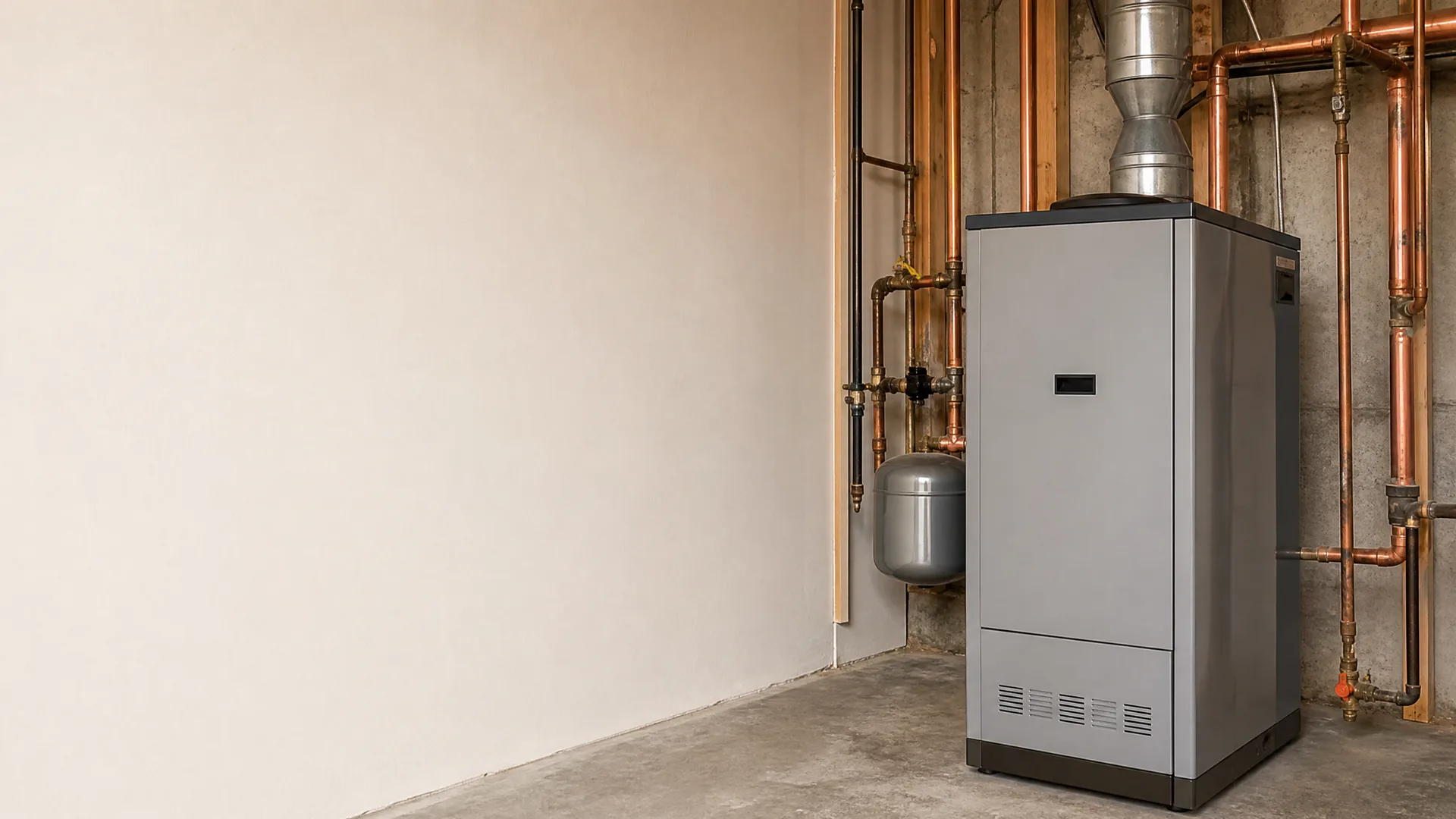
A gray boiler unit with a metal flue pipe stands in a basement corner, surrounded by copper piping and an expansion tank against a plain light wall and concrete floor.

What finding that contractor takes

Boilers are uncommon enough in Texas that not every heating contractor installs or sizes them often. Finding one who does usually means searching around, calling a handful of companies to ask if they even handle boilers, explaining your radiator setup more than once, and then sitting with quotes that may not be figuring the load the same way. Getting matched with a contractor who already works on boiler systems in your area skips that part and gets your house in front of someone who does this routinely.

Sized Wrong Two Ways

Undersized

  • The boiler runs nearly nonstop during a cold snap and still can't bring the far rooms up to temperature.
  • Radiators farthest from the boiler stay lukewarm while the ones closest run hot.
  • The system wears out faster because it's working at or near full output for long stretches instead of cycling normally.
  • Rooms with more window area or higher ceilings lag noticeably behind the rest of the house.
  • A unit that was adequate before an addition or a renovated space often can't keep up afterward.

Oversized

  • The boiler fires, satisfies the thermostat fast, and shuts off again in short bursts rather than running a steady stretch.
  • Short cycling like this puts more wear on the components that start and stop the burner.
  • Some radiators end up scalding while others barely warm up, because the system never runs long enough to balance out.
  • Humidity control suffers since the system isn't running long enough to do that work evenly.
  • A boiler sized for a much larger house than yours costs more upfront without heating your rooms any better.
  1. A contractor measures every room's heat loss by surface area.

  2. They add up square footage, window area, and insulation values.

  3. That total becomes a required output in BTUs per hour.

  4. The contractor matches a boiler model to that exact number.

A woman wrapped in a thick beige fleece blanket sits on a sofa with an open book on her lap, beside a lit table lamp, with a frost-covered window behind her.
A gray-haired woman in a cream knit sweater stands in a dimly lit kitchen at night, looking to her right, with a round loaf of bread in the foreground and a dark window and potted plant behind her.

The right pro for this job

A boiler in a Texas home is usually an exception to how the house around it was built to heat, which is exactly why a rule of thumb or a number copied from a neighbor's system won't get you the right size. Getting it wrong either way costs you: short cycling and uneven rooms on one end, a boiler that can't keep up during a cold snap on the other, and both wear out the system faster. The only way to land on the right size is a contractor running an actual load calculation on your house, not a guess based on square footage alone. Finding someone who still works on boilers, explaining your setup to each one, and sorting through quotes to figure out who actually knows this equipment is its own project on top of the one you already have. Hand that part off and put your attention on the house instead.

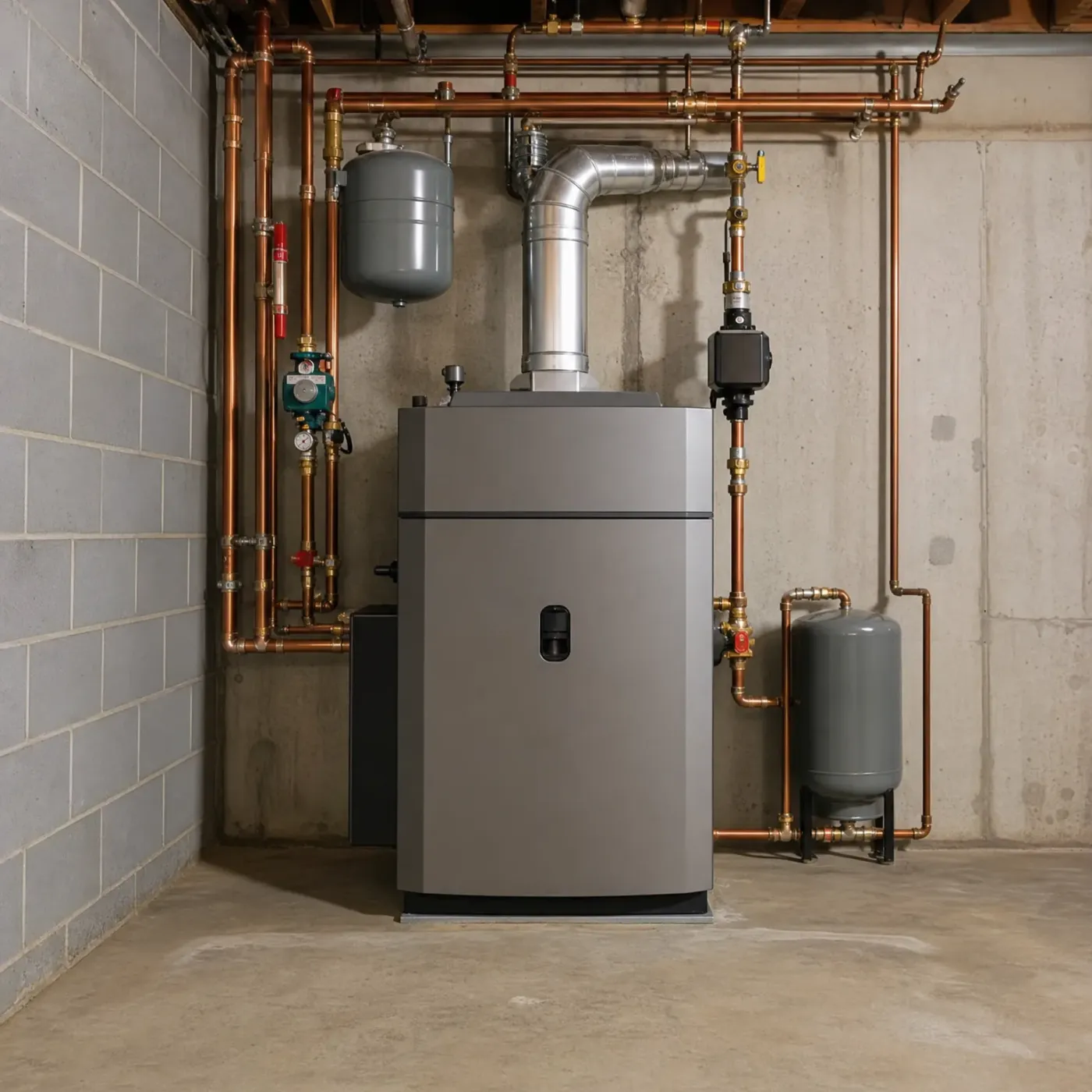
A gray boiler with a metal flue pipe stands in a basement against concrete and concrete-block walls, connected to copper piping, a circulator pump, and two gray expansion tanks.

A properly sized system

The pipes, valves, and expansion tanks here are all doing their job without strain. Pressure stays steady, the circulator pump runs when it should and stops when it should, and every radiator on the line gets hot water at the same rate.

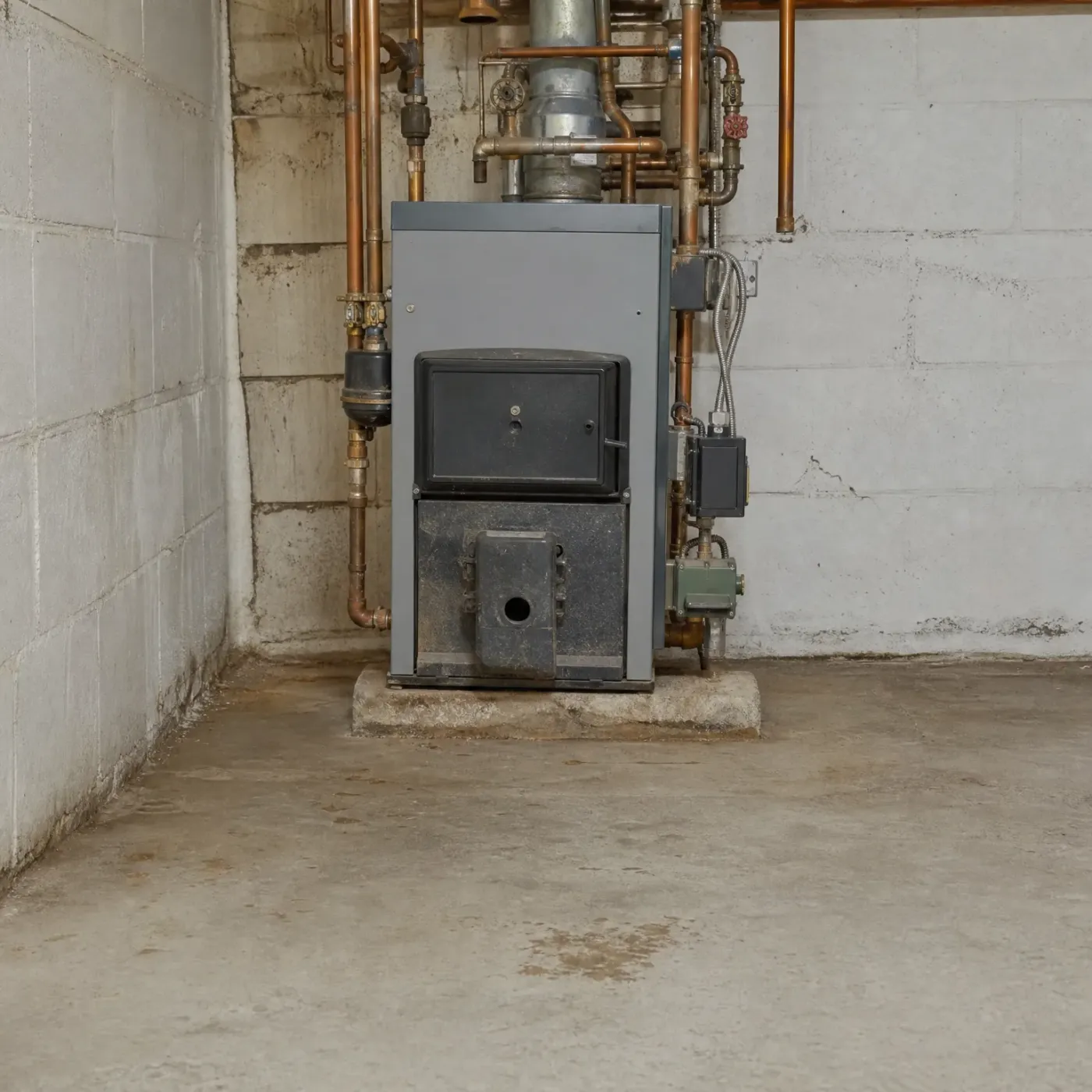
A gray boiler on a concrete pad in a basement with painted concrete block walls, copper piping, a metal flue, and electrical control boxes.

A system working against itself

This boiler sits on a raised pad because it was likely replaced once already, and the flue and control box around it are older than the unit they're wired to. A boiler sized wrong will push this same setup toward another early replacement.

A smiling man in a denim shirt and white t-shirt stands in an open dark doorway of a stucco house, facing a woman with long brown hair and a green jacket seen from behind in the foreground.

What a mismatched boiler does to your house

If your boiler is tied to an old radiator loop, you already know it doesn't behave like the rest of your heating. The wrong size shows up in small ways first. A bedroom at the end of the line stays cool while the living room gets too warm to sit in. The pressure gauge creeps up and down more than it should. You hear the circulator pump kick on and off more than a few times an hour instead of settling into a steady run.

None of that is something you can fix by adjusting a thermostat, and guessing at a replacement size risks the same problems again, just in a new unit. A contractor who does a proper load calculation on your specific rooms, your windows, your insulation, can tell you the right output before anything gets installed. That's the part worth getting matched up for: someone who'll look at your house and not just hand you a number off a chart.

Interior corner of a room with a window and sheer curtain at left, a gray upholstered sofa with a cushion at right, and a round wooden table holding stacked books and a round vase with an olive branch.

Winter nights average 41°F statewide

Winter nights here average 41°F, nothing like the cold snaps that justify a bigger boiler up north. A boiler sized for your actual house, not for a harder climate, is what keeps every radiator even on those nights without the short cycling that wears a system out early.

NOAA nClimDiv 1991-2020 county normals weighted by homes

The right size for your boiler comes from your house: its rooms, its radiators, its windows, its insulation, not from a chart or a guess based on the place down the street. A contractor who runs the load calculation will land on a number that fits your house and nothing else. Getting there yourself means finding someone who still works on boilers in a state where most homes never had one, then explaining your radiator setup from scratch, then doing it again with the next contractor because the first quote seemed off. That search is the part that goes away when you're matched with someone who already knows this equipment and reaches out to you directly. Your winters here are mild enough that the system should run quietly in the background, warming every room evenly, not cycling on and off because it was sized for a colder state or a bigger house. Get the number right once and the radiators, the pressure, and the pump stop being something you think about.

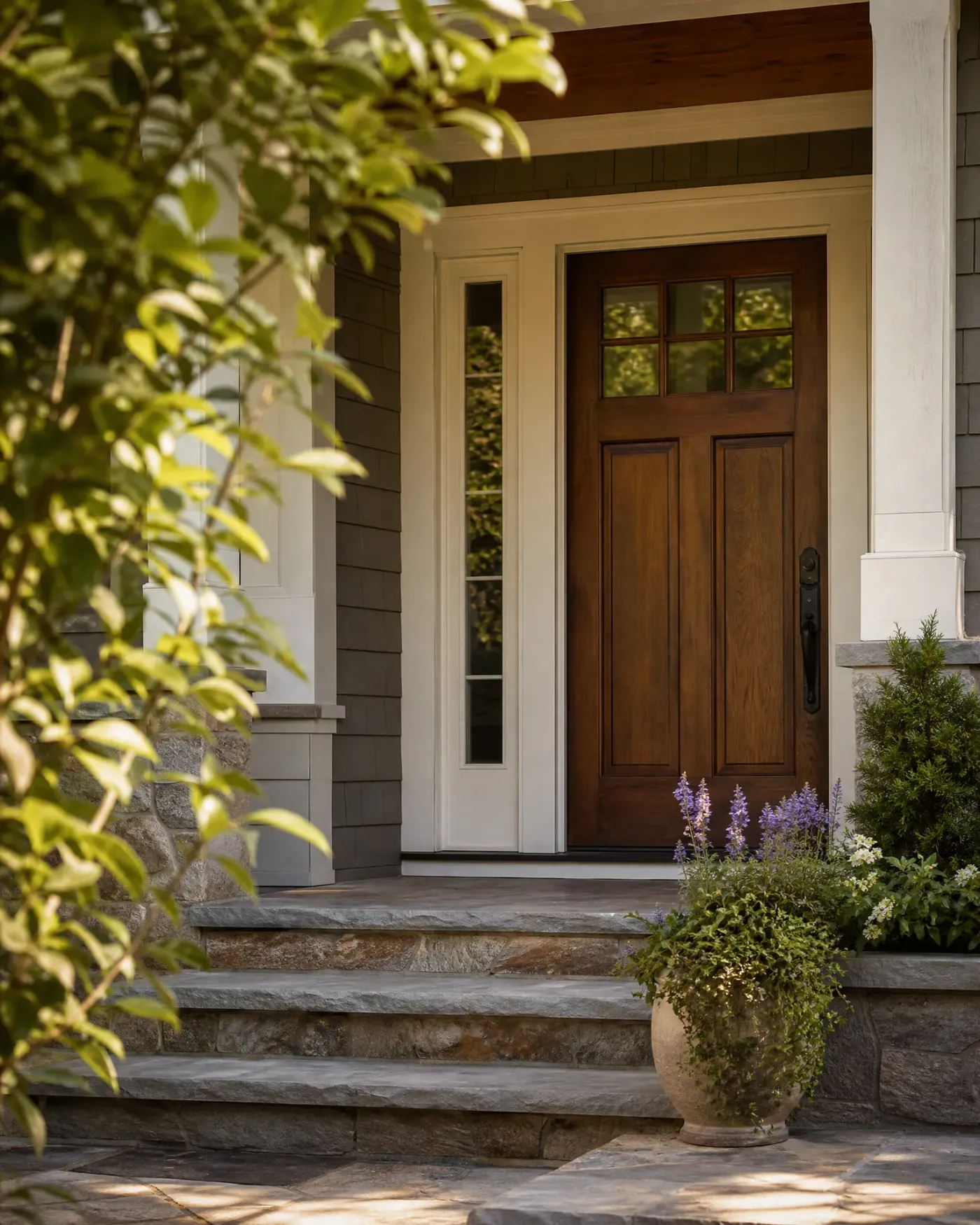
A wooden front door with six small glass panes and a narrow sidelight, set in a shingled house entry with white trim, reached by stone steps flanked by a planted urn with purple flowers and leafy branches in the foreground.
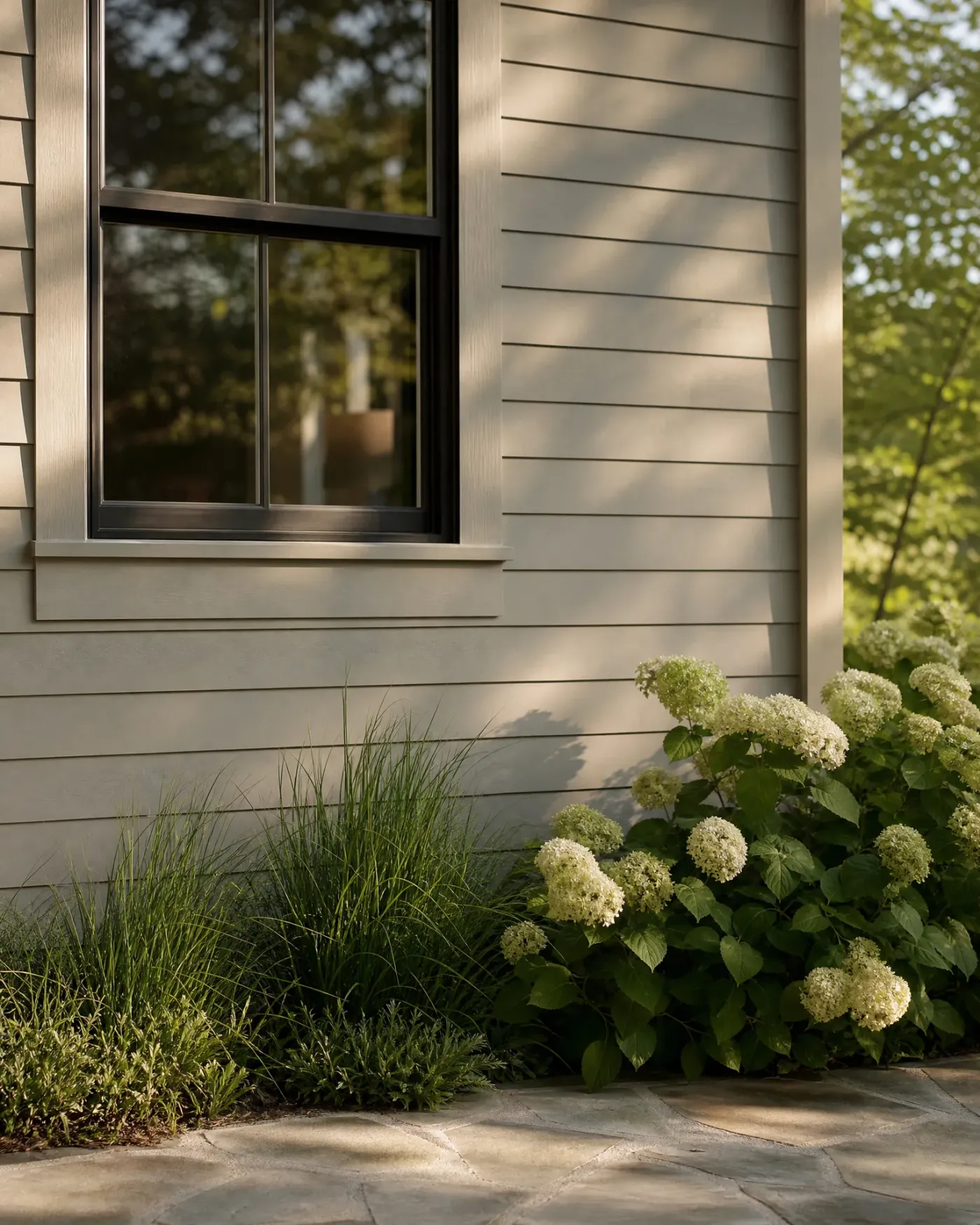
Exterior corner of a house with beige horizontal lap siding and a black-framed window, with white hydrangeas, ornamental grasses and low plantings along a flagstone patio.
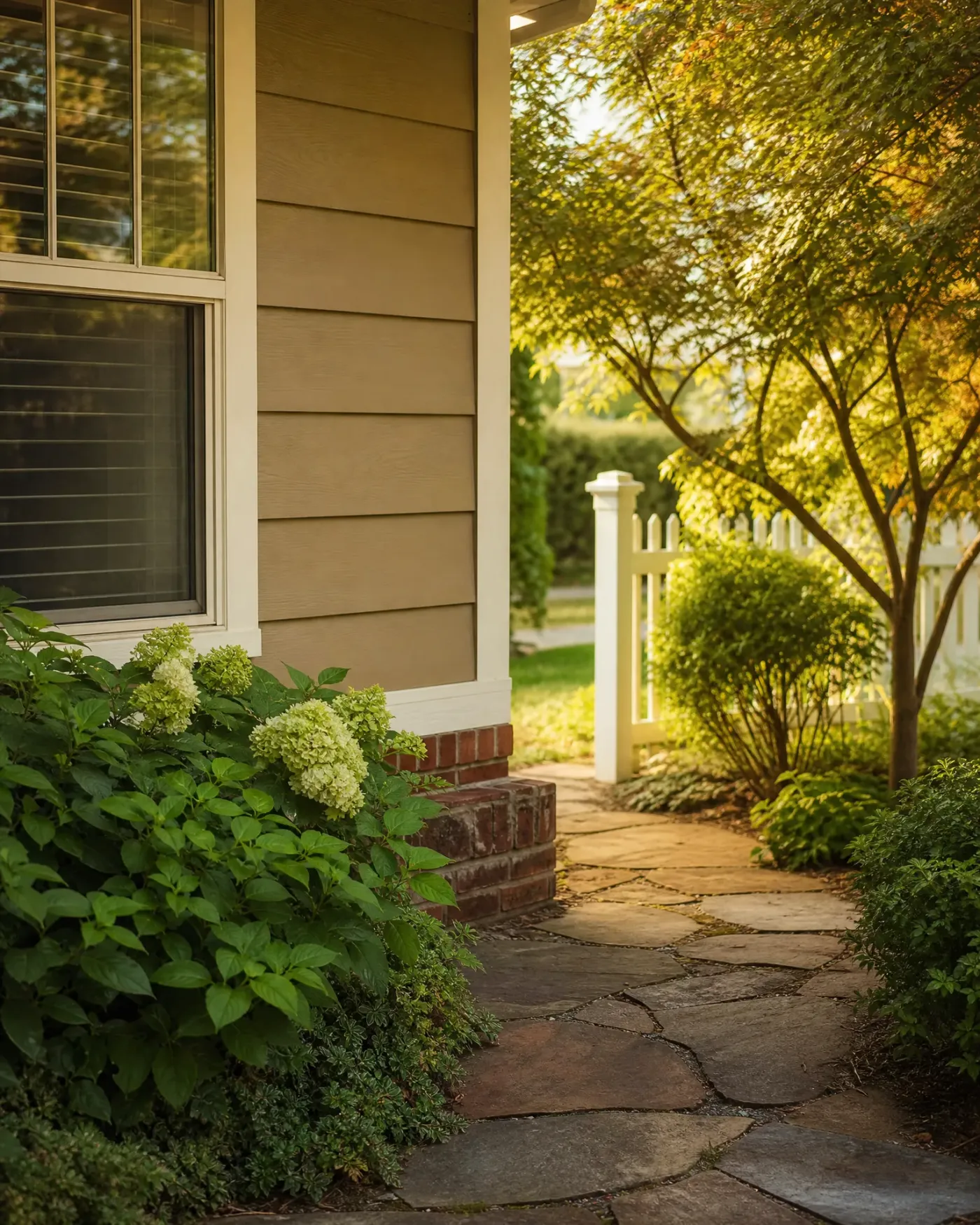
Corner of a house with tan lap siding and a window, a brick step edge, flowering white hydrangeas and green shrubs beside a flagstone walkway leading to a white picket fence and a tree in backlit sunlight.
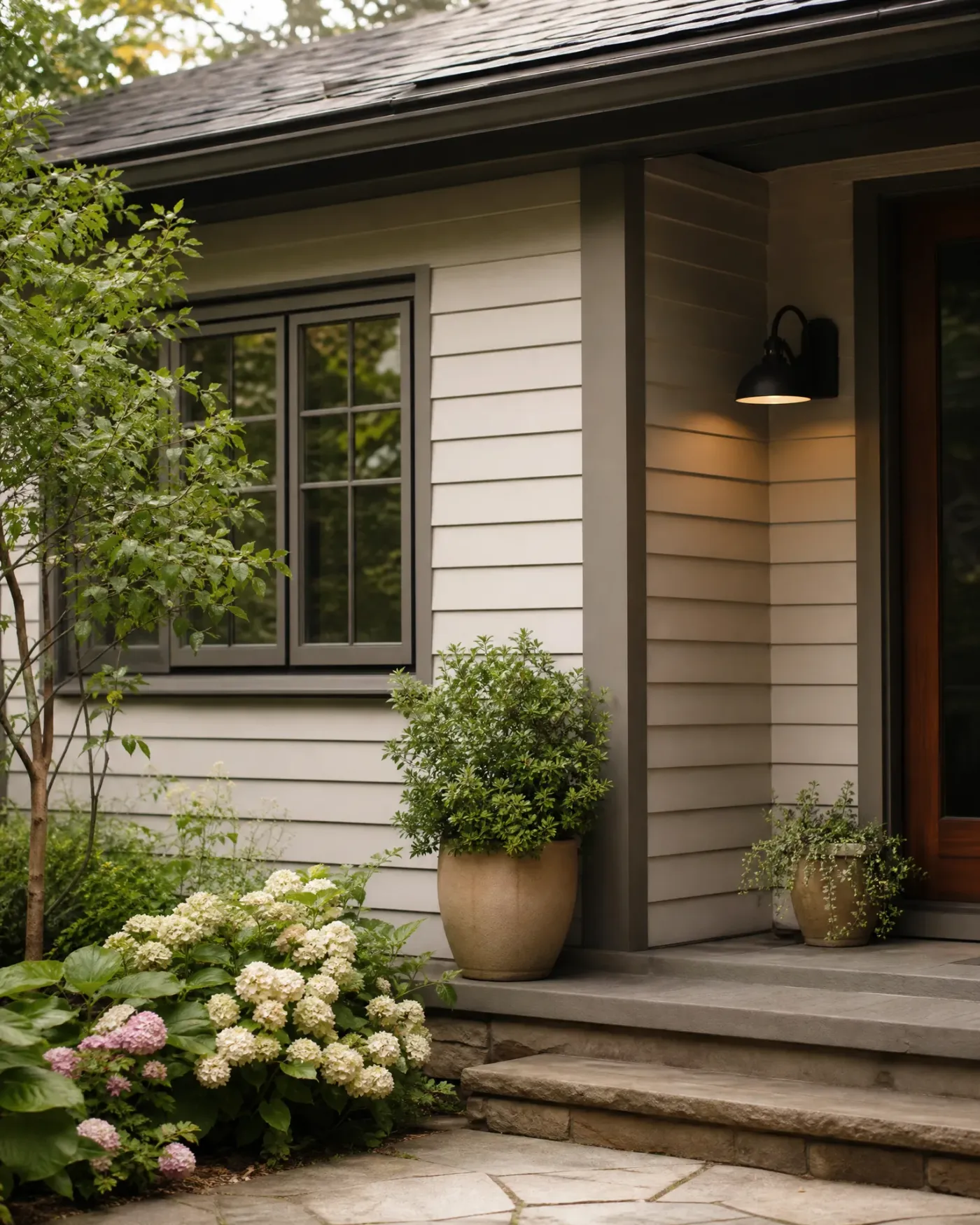
House exterior with cream horizontal lap siding, a dark-framed window, a black wall lantern beside a wood door, potted shrubs on stone steps, and white and pink hydrangeas in the foreground garden.
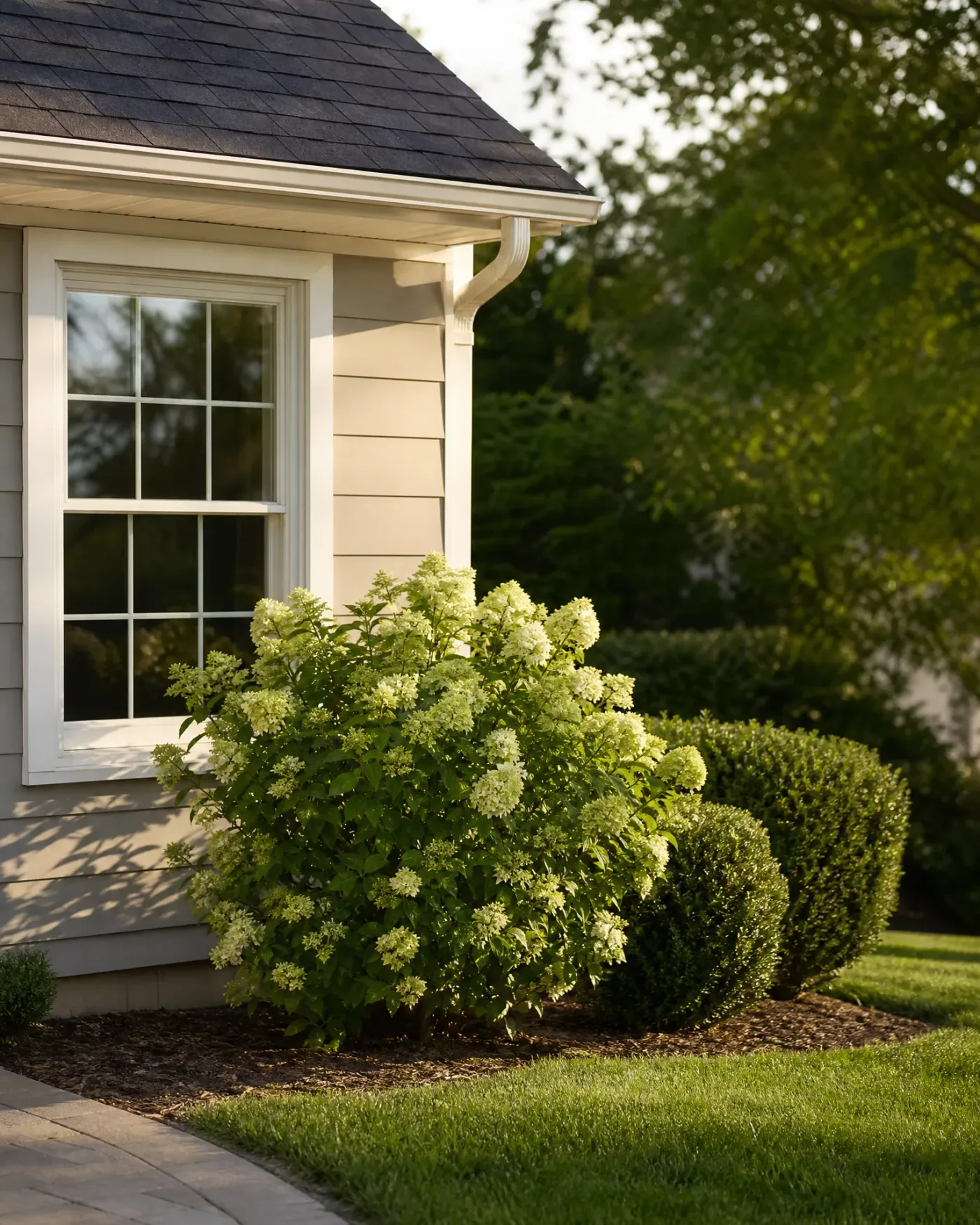
Corner of a cream lap-sided house with a white-framed window and dark shingled roof, beside a white-flowering hydrangea shrub, a clipped hedge, mulched bed and lawn.

Matched to your boiler job

Skip the round of in-home estimates for a new boiler.

Get my match

There's no charge for the request.