

Parts can take days to arrive
A boiler is uncommon enough here that your contractor may need to order a part rather than pull it off a shelf. That wait matters if you're choosing between a repair and a new install.
Send the form and stop researching installers for the new boiler.
I'm done searchingBoilers are not common in Texas, so when one starts acting up, it's not always clear what to do. Most homes here heat with electricity, so parts and knowledge for a gas or oil boiler aren't always close by. Maybe yours has needed a repair or two already, or it's just old and you're wondering if this is the year it finally gets replaced instead of patched again.
A boiler that needs a repair every winter is telling you the parts inside it are wearing out together, not one at a time. Once that starts, each fix buys less time than the last one. Since boilers are less common in Texas, finding someone who still carries parts for an older unit and knows how to work on it can take longer than it would for a furnace, which makes a second breakdown a bigger problem here than it might be elsewhere. If your boiler is still under warranty and this is its first issue, a repair makes sense. If it's past that and failing again, replacing it ends the cycle instead of extending it.




A boiler is uncommon enough here that your contractor may need to order a part rather than pull it off a shelf. That wait matters if you're choosing between a repair and a new install.
With most Texas homes running on electric heat, a technician who still works on boilers every season is harder to find, and that experience is what tells you whether yours is worth fixing.
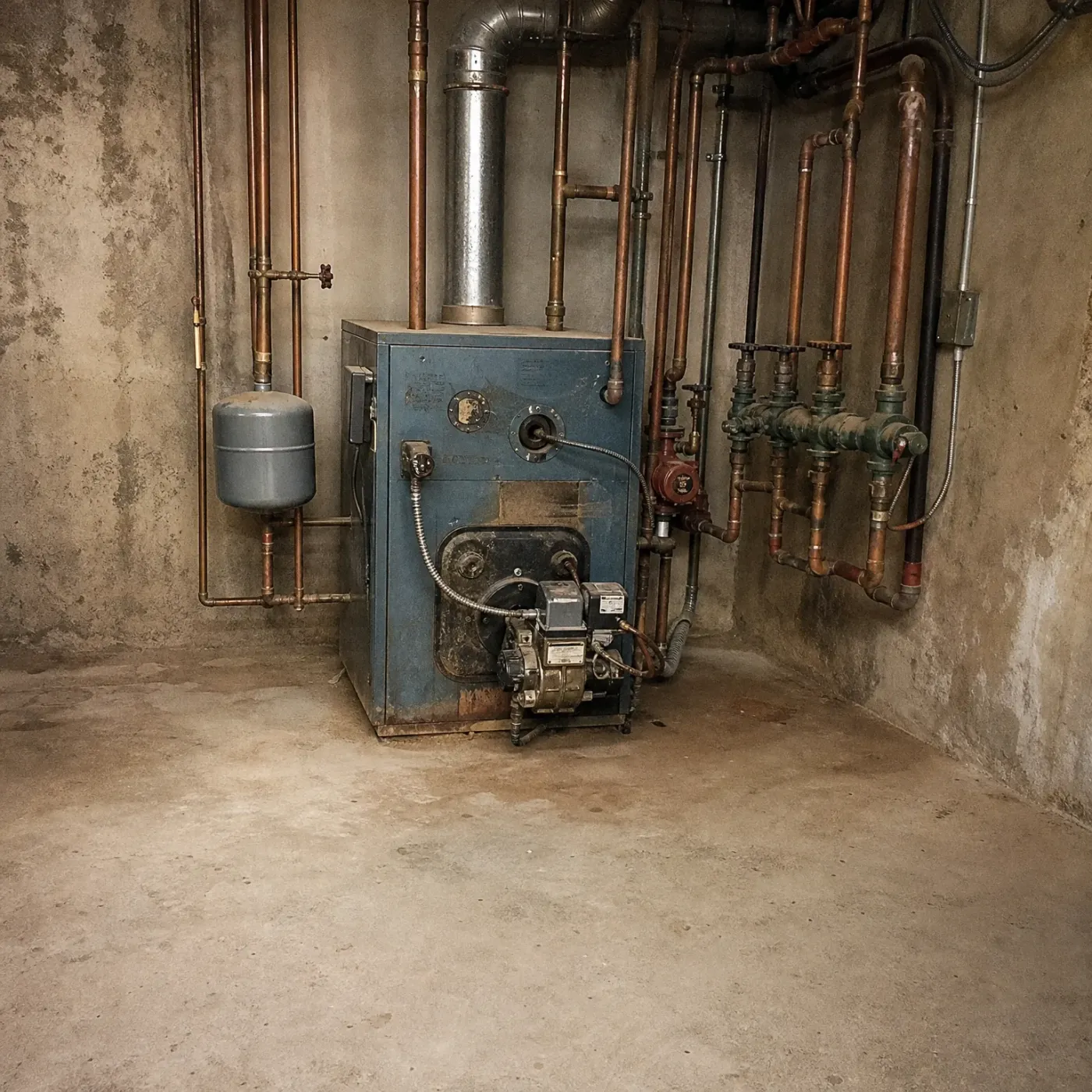
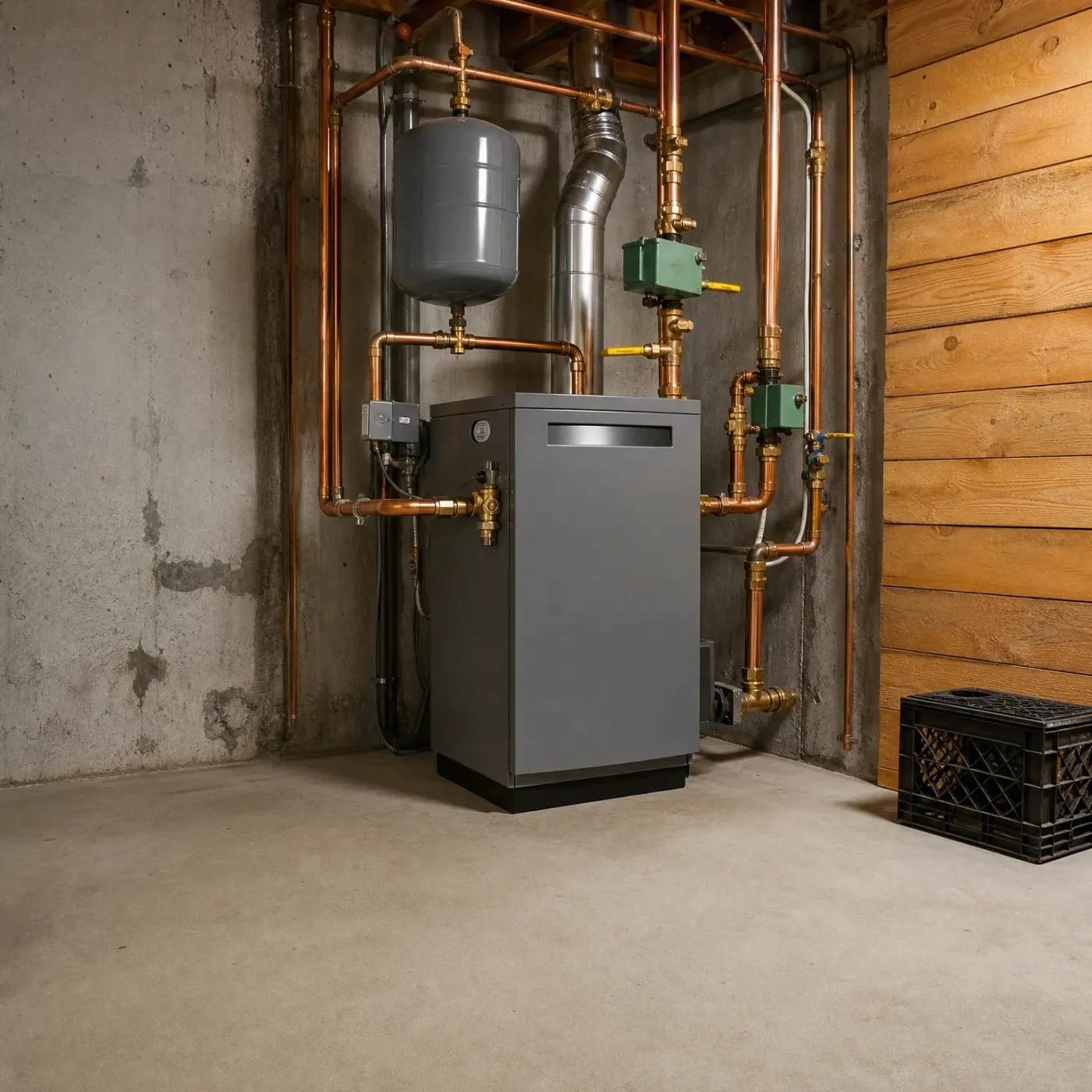
A boiler doesn't move warm air through your house. It heats water in a closed loop, then sends that water out to radiators or coils under the floor. The burner does the heating, but the circulator pump is what gets that heat to every room, including the ones furthest from the unit. If the pump is weak or stuck, one end of the house stays cold no matter how hard the burner works. Pressure in that loop matters too. A boiler is built to shut itself off if pressure drops too low, rather than let the heat exchanger run dry and crack. Instead of a thermostat telling a burner to fire, most boilers use a part called an aquastat, which reads the water temperature and does that job. Over years of use, minerals can build up inside the heat exchanger, and the burner has to run longer to push the same amount of heat into your home. And if your boiler has been there a long time, it may still light with a standing pilot instead of an electronic igniter.


Only one pro gets your request, so you hear from one company.
Once you send the form, finding a pro is off your list.
Sending the form costs nothing.
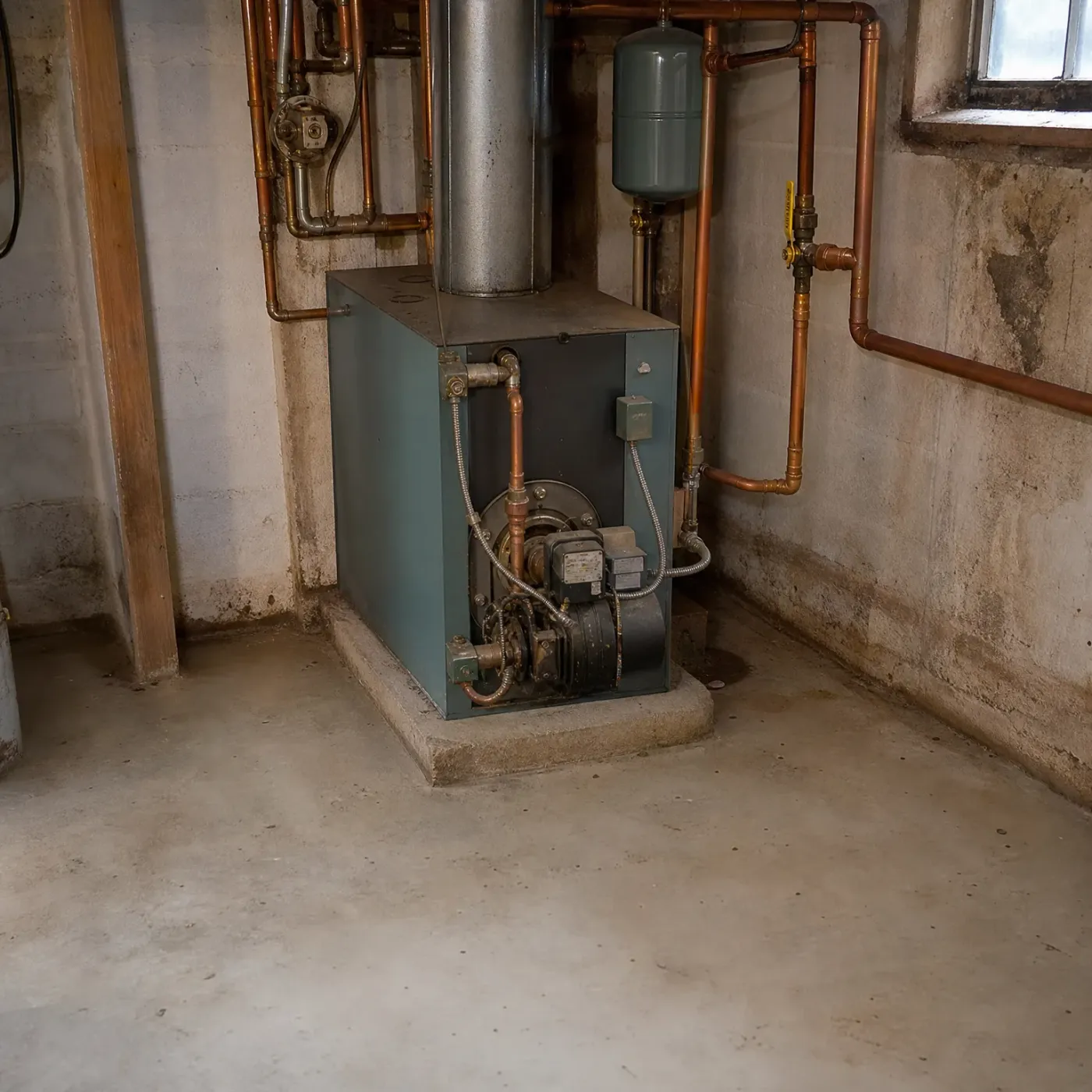
You might hear a bang or gurgle in the pipes when the heat kicks on, or notice the burner taking longer to catch than it used to. Maybe there's a damp patch near the base, or a rust color in the water if you ever bleed a radiator. Low pressure that keeps dropping no matter how often you top it off is another one. None of this means tonight is an emergency, but a boiler that's struggling to hold pressure or losing water somewhere is a boiler that can leave you without heat on the night you need it most, and in a house built around it, there's no quick backup plan.
A contractor drains the system and disconnects the old boiler.
The old unit and venting are removed from the space.
New gas, water and electrical lines are run to the spot.
The new boiler is set and leveled in place.
A 41°F night doesn't ask much of a furnace, but a boiler still has to bring water up to temperature before any heat reaches the radiators. On the handful of nights that drop colder, that lag is what you'd notice first if the burner or circulator is already struggling.
NOAA nClimDiv 1991-2020 county normals weighted by homes
Right now a cold start means waiting on the burner to catch and the water to come up to temperature before a radiator warms up. If a part fails, your contractor may be ordering it rather than pulling it off a shelf, since boilers aren't common here. Any rust at the fittings or soot on the flue is only going to get worse, not better, on its own.
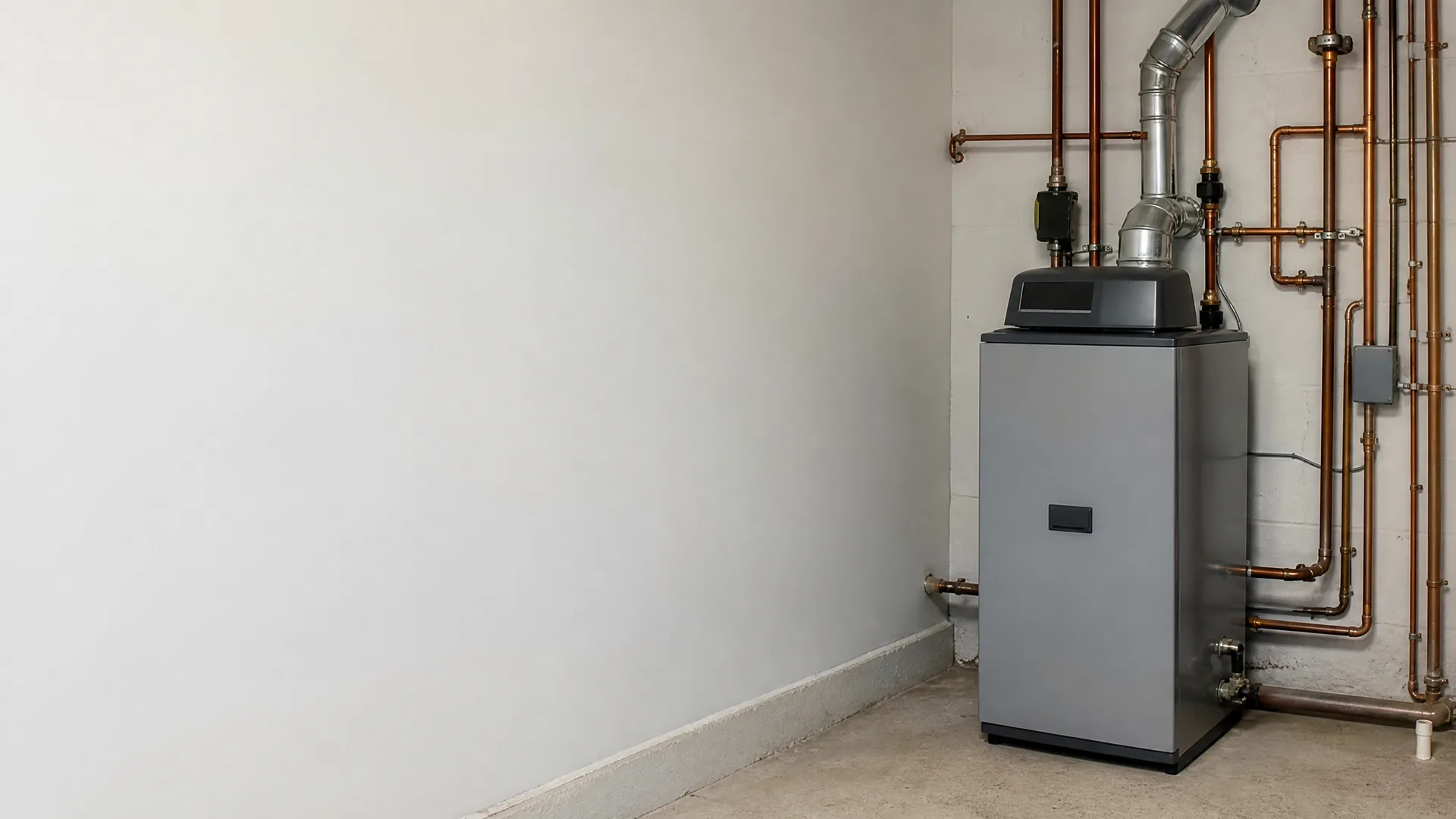
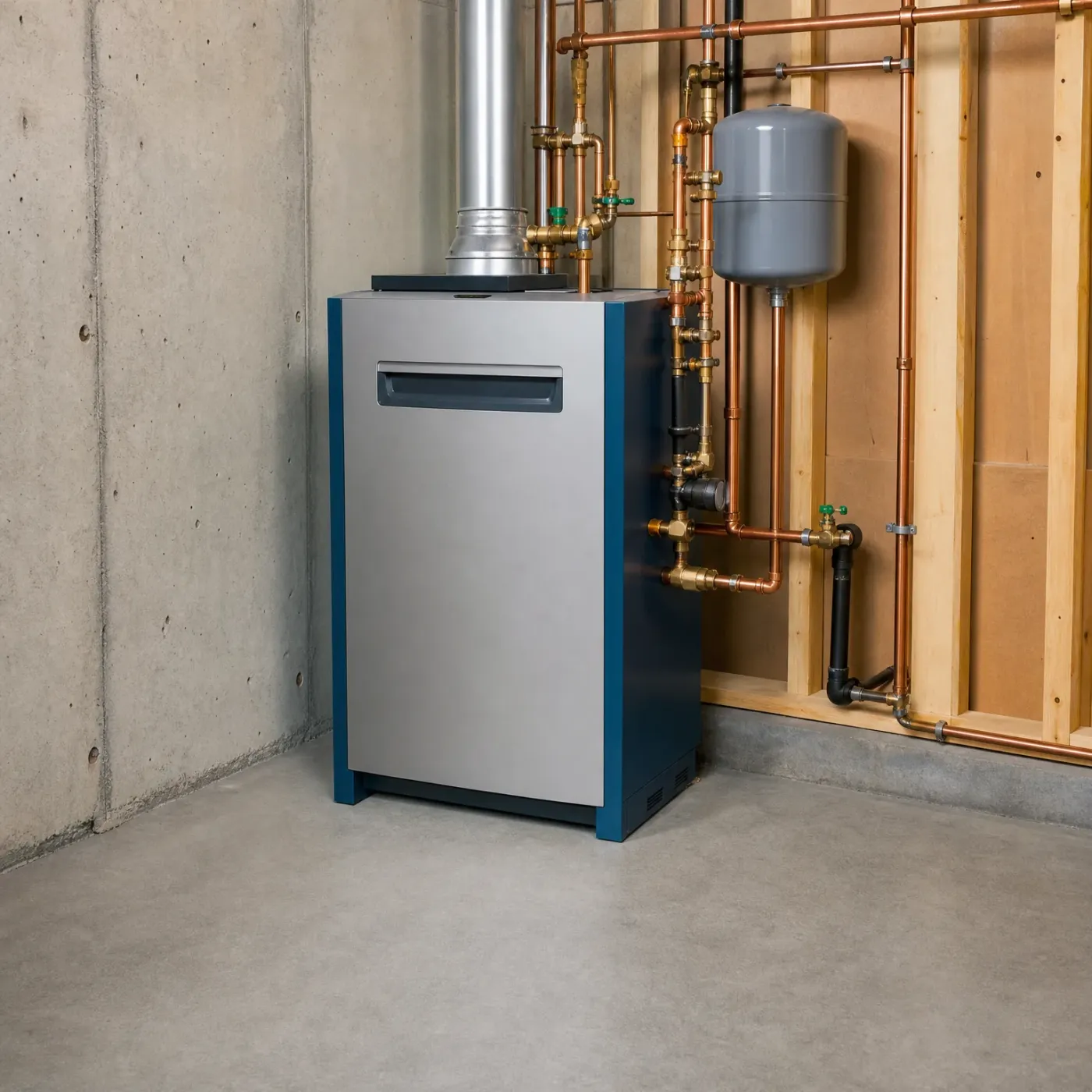
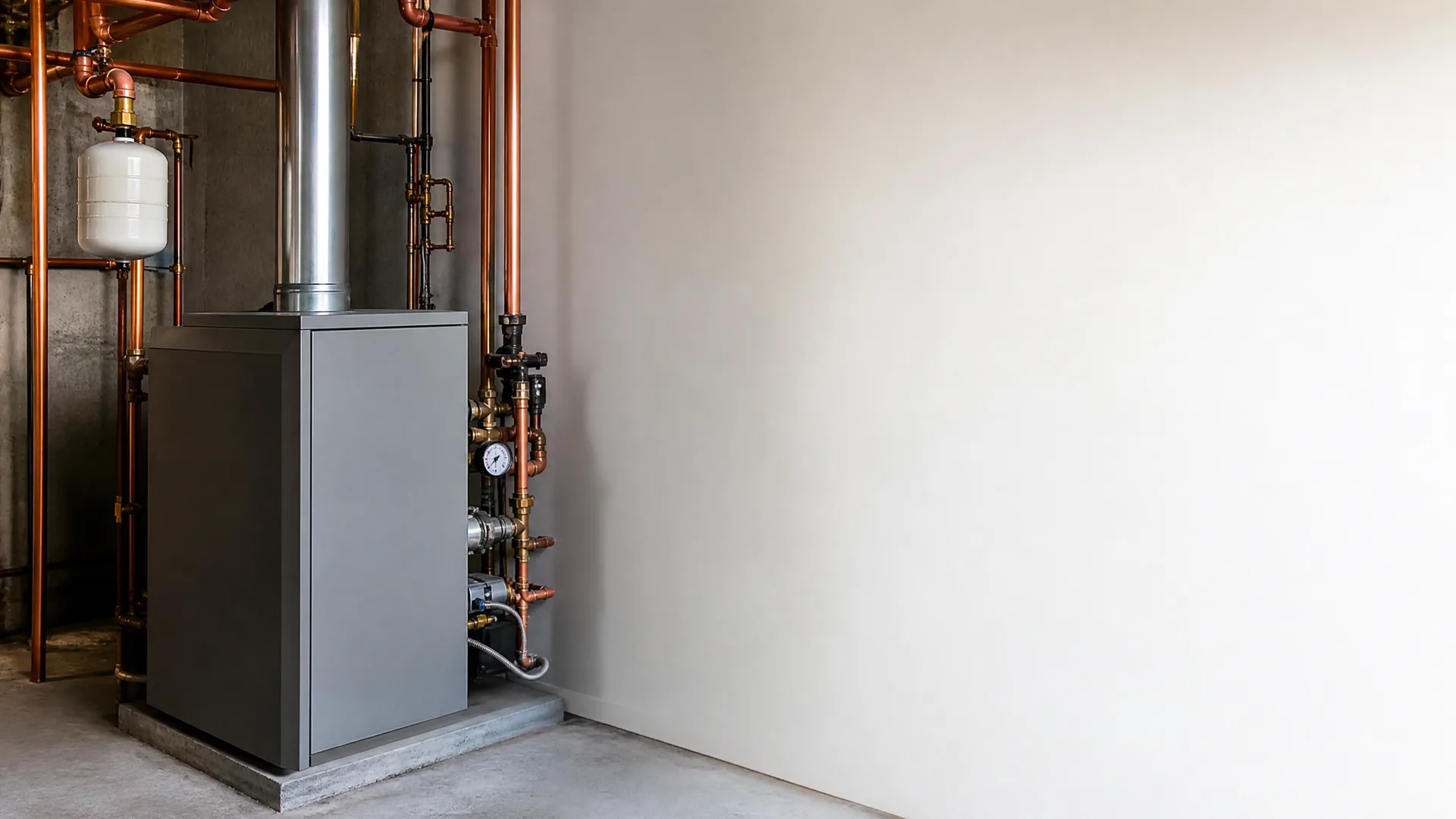
A new boiler starts up without the bang or gurgle in the pipes, and the burner catches the way it's supposed to instead of hesitating. Pressure holds steady through the system, so a far room gets the same heat as one near the boiler. You stop waiting on a part to arrive if something goes wrong, because what's failing is the one piece a contractor just removed.
A boiler that's rusting at the joints or taking longer each week to catch isn't going to fix itself, and the parts to patch it through another winter may be days out even once a contractor finds the problem. That's the call you're weighing: keep chasing a repair on equipment that's uncommon in this state, or put in a boiler that starts the season without question marks. Either way, you want someone who actually works on boilers in Texas, not a contractor who sees one twice a year and has to relearn it each time. When you send the request, it goes to one licensed contractor local to you, someone who knows which parts on these systems tend to go first and what a straight installation looks like. No flood of calls from companies bidding against each other, just the one who does this work. From there, finding the right person stops being something you have to manage.

It's off your list after this