Side profile of a bearded man wearing a faded dark blue baseball cap and a matching dark T-shirt against a plain light gray background.

Radiators not heating up in Houston, TX

Step 1 of 3: Equipment

Why aren't my radiators heating up in Houston?

Cold radiators usually mean something simple is wrong, but in Houston the problem often starts because the boiler sits unused for most of the year. With winters this mild, the system might only run a handful of weeks, and that gives trapped air, a stuck valve, or a dead pilot plenty of time to settle in before anyone notices.

Trapped air or a closed valve is the usual cause

Most of the time, air has built up inside the radiator and is blocking the hot water from filling it. This happens more here because the system sits idle for months at a time between the short cold spells Harris County gets. A valve that got bumped closed, or one that seized up from months of not being touched, causes the same thing. If only one radiator is cold while others work, the problem is usually local to that unit. If all of them are cold, the issue is more likely at the boiler itself, and that calls for someone who works on these systems to look at it directly.

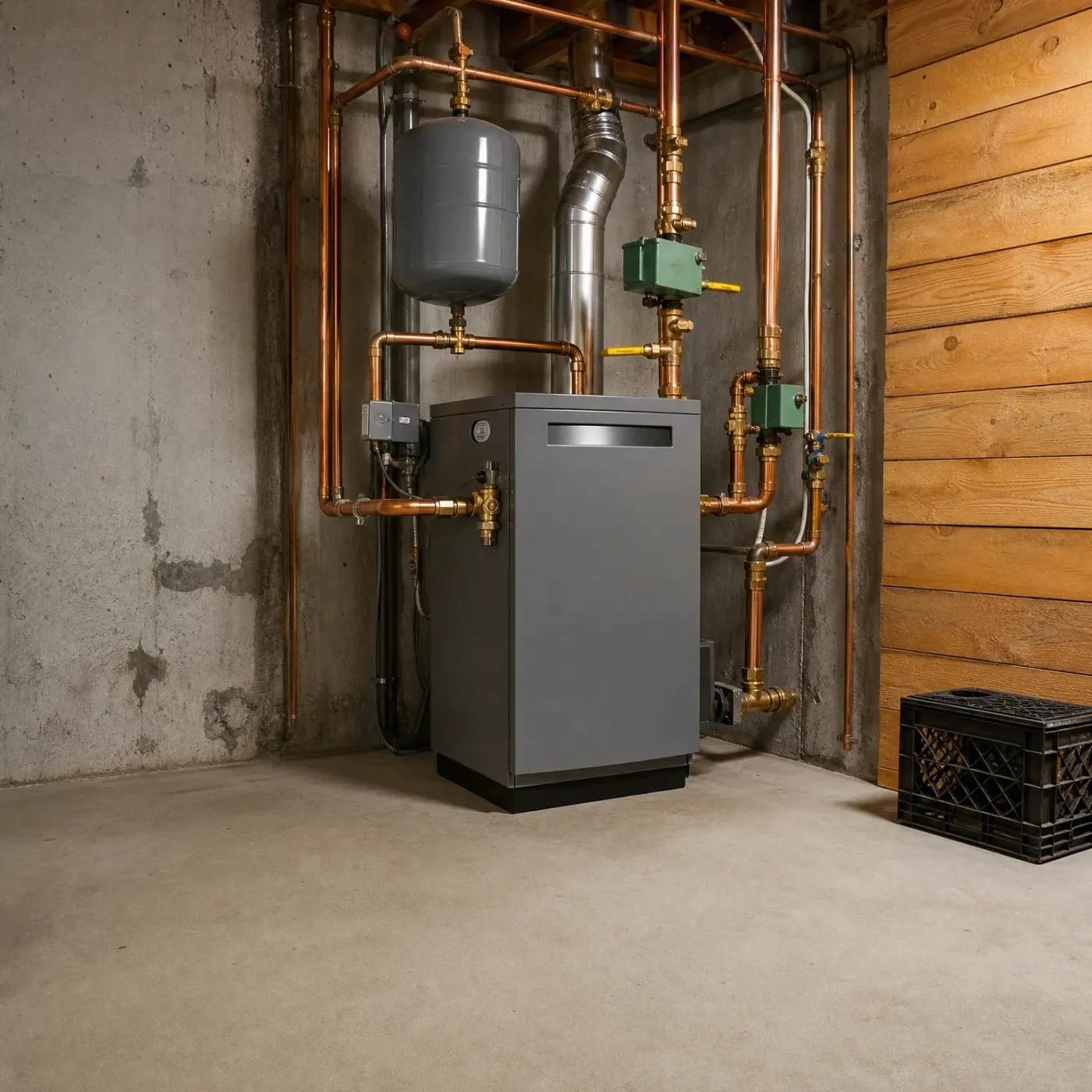
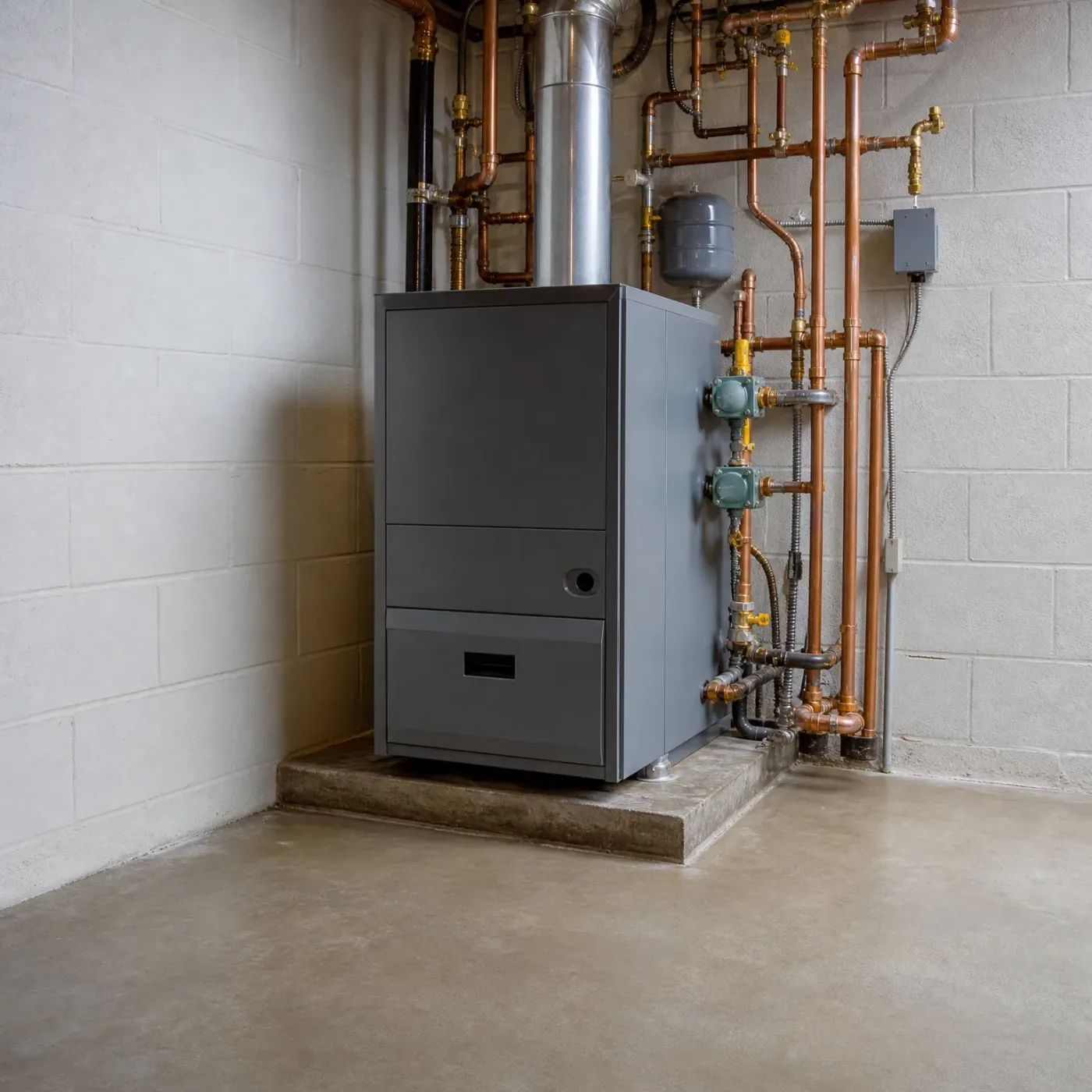
A gray boiler unit on a concrete pad in a basement corner, connected to copper piping, valves and a metal flue against painted concrete block walls.

Boiler running as it should

Pipes feel warm to the touch, the expansion tank holds steady pressure, and the flue draws without rattling. Water moves through the loop and reaches every radiator in the house. When a boiler looks like this, cold radiators almost always trace back to something at the radiator itself, like a stuck valve or air trapped in the line.
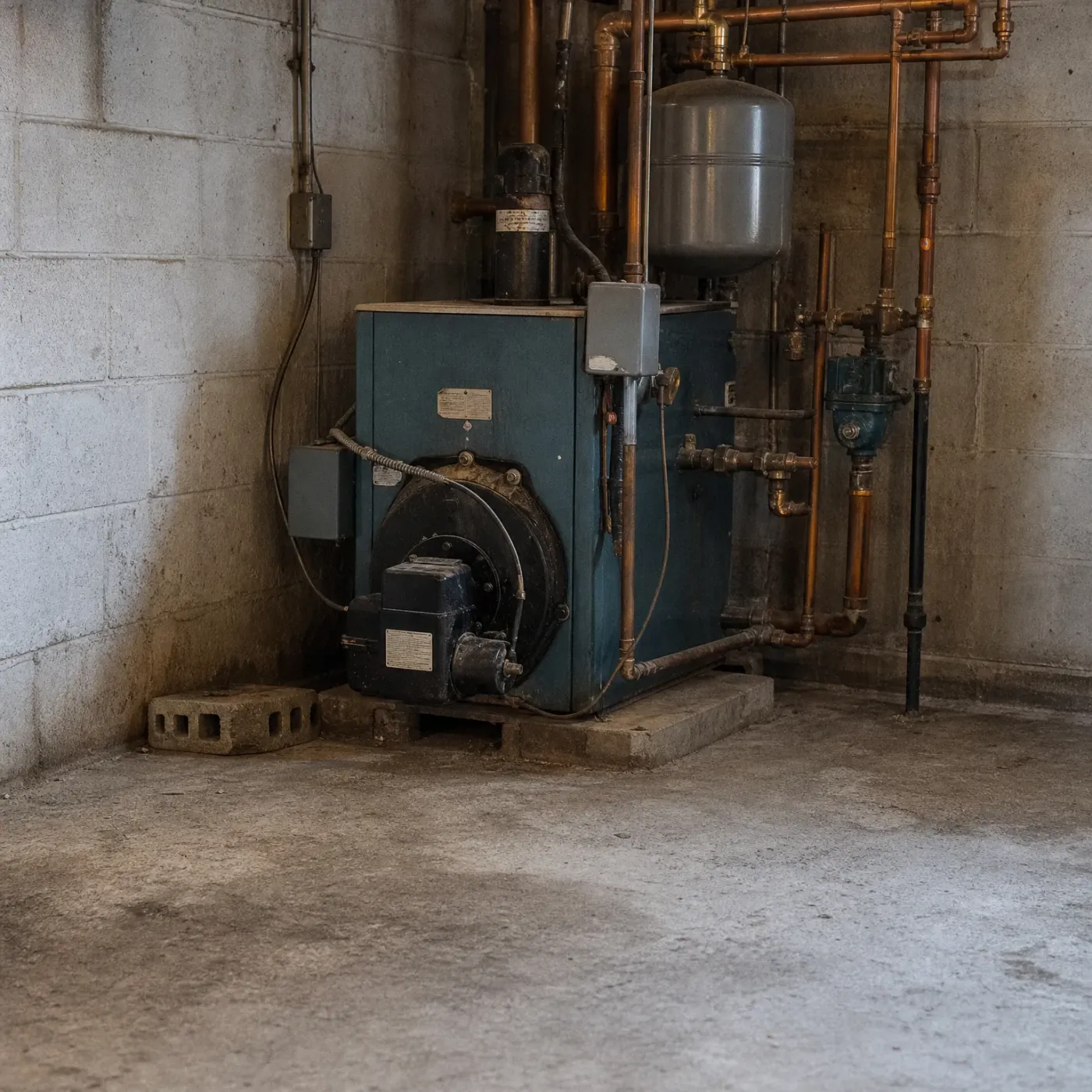

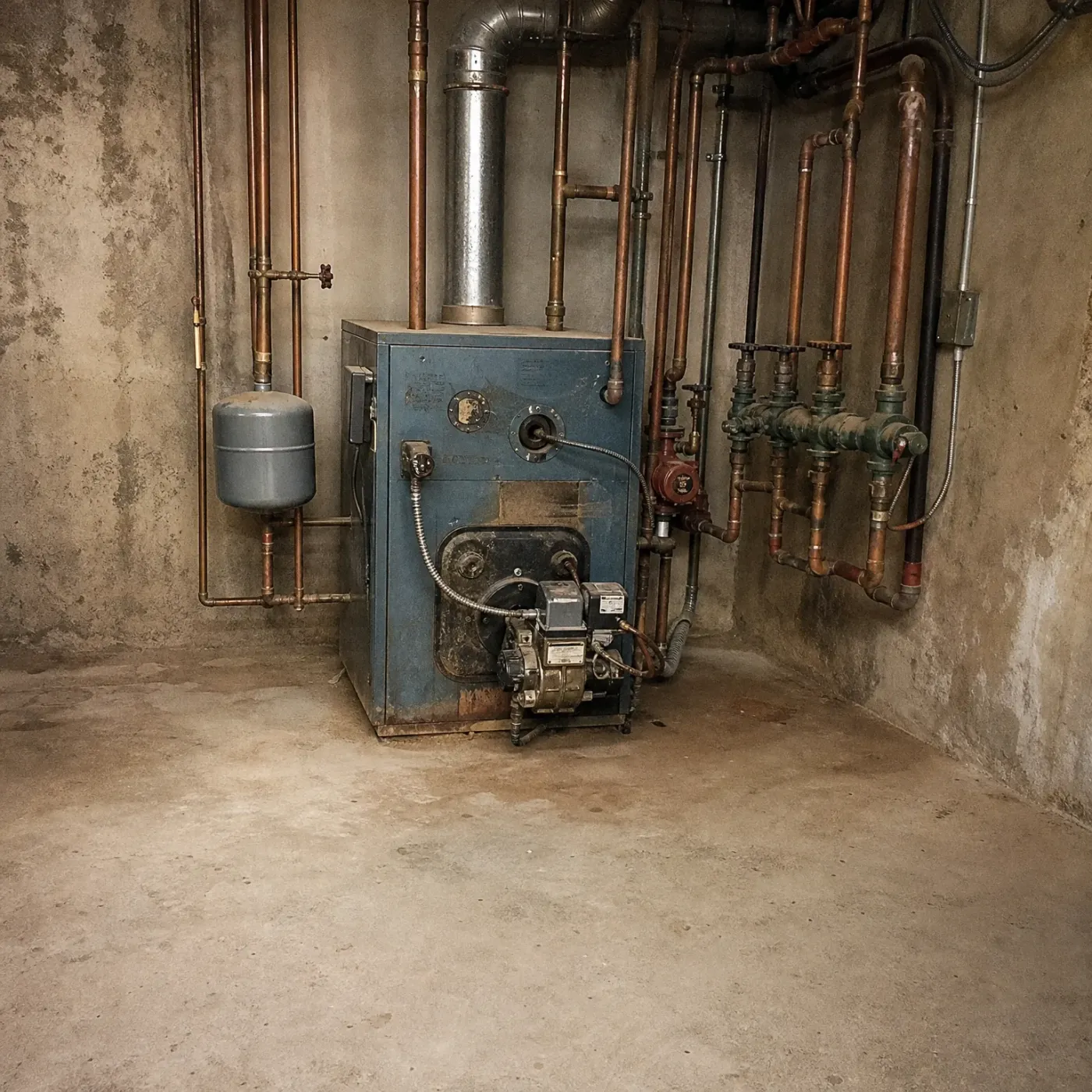
A blue oil-fired boiler with a burner unit sits on a concrete pad in a basement corner, with copper piping, valves and a gray expansion tank overhead against concrete block walls.

Boiler showing its age

A unit like this one has been through enough winters that fittings corrode and valves seize from disuse between seasons. Mineral buildup narrows the pipes, the circulator strains to push water through, and heat stops reaching the far end of the house first. A boiler in this shape needs a look before it gets colder.

Why is only part of your house warm?

You probably noticed it room by room. One radiator stays cold while another warms up fine, or the whole house feels off even though the boiler sounds like it's running. Some radiators might be hot at the bottom and cold at the top, or cold at one end and warm at the other. You might hear gurgling or a faint knocking in the pipes. None of this is dangerous by itself, but a boiler that sits idle most of the year in Houston is more likely to have a stuck valve or trapped air than a system that runs daily all winter. Left alone, you end up heating a house unevenly or paying to run a boiler that's only warming part of the loop.

A gray-haired man in a dark green knit sweater sits on a beige sofa with a dark cushion, looking to the side, with a potted plant, shelves and sunlit windows behind him.
A gray-haired man in a dark green sweater sits smiling on a sofa in a sunlit living room, with a houseplant, shelving unit, and dining table visible behind him.
A middle-aged man in a dark denim shirt sits on a light beige sofa in a living room with wooden shelving and a potted plant, looking off to the side.
A gray-haired bearded man in a dark green sweater sits on a light sofa indoors, looking to the side, with a houseplant, framed picture, table lamp and sunlit window behind him.
A gray boiler unit in a basement corner with copper piping, brass valves, a gray expansion tank, a metal flue duct, concrete walls and a wood-paneled wall, with a black plastic crate on the floor at right.
Zone valves and circulators sit open and wired in, moving hot water to every radiator on the loop without a fight.
An older blue boiler with a burner unit stands in a concrete basement corner, connected to copper and steel piping, valves and a gray expansion tank on the wall.
Zone valves stuck shut or a seized circulator keep heat from ever reaching the radiators on that line.

Why does a Houston boiler sit unused most of the year?

  • Winter nights average 45°F

    Overnight lows here only average 45°F in December, January and February, so the boiler never has to work that hard to begin with.

  • Heat runs November through February

    Heat in Harris County runs about four months a year, November through February, then the boiler sits idle the other eight.

  • 55.4% of homes heat with electricity

    Most homes in Harris County heat with electricity, 55.4% of them, which is part of why a gas boiler here gets so little use.

NOAA nClimDiv 1991-2020 · ACS 2020-2024

  1. Air trapped at the top of the radiator blocks hot water from filling it

  2. Sludge and rust settle at the bottom, keeping the lower section cold

  3. A stuck zone valve stops hot water from reaching that line at all

  4. Bleeding the radiator lets trapped air out so water can rise and heat it

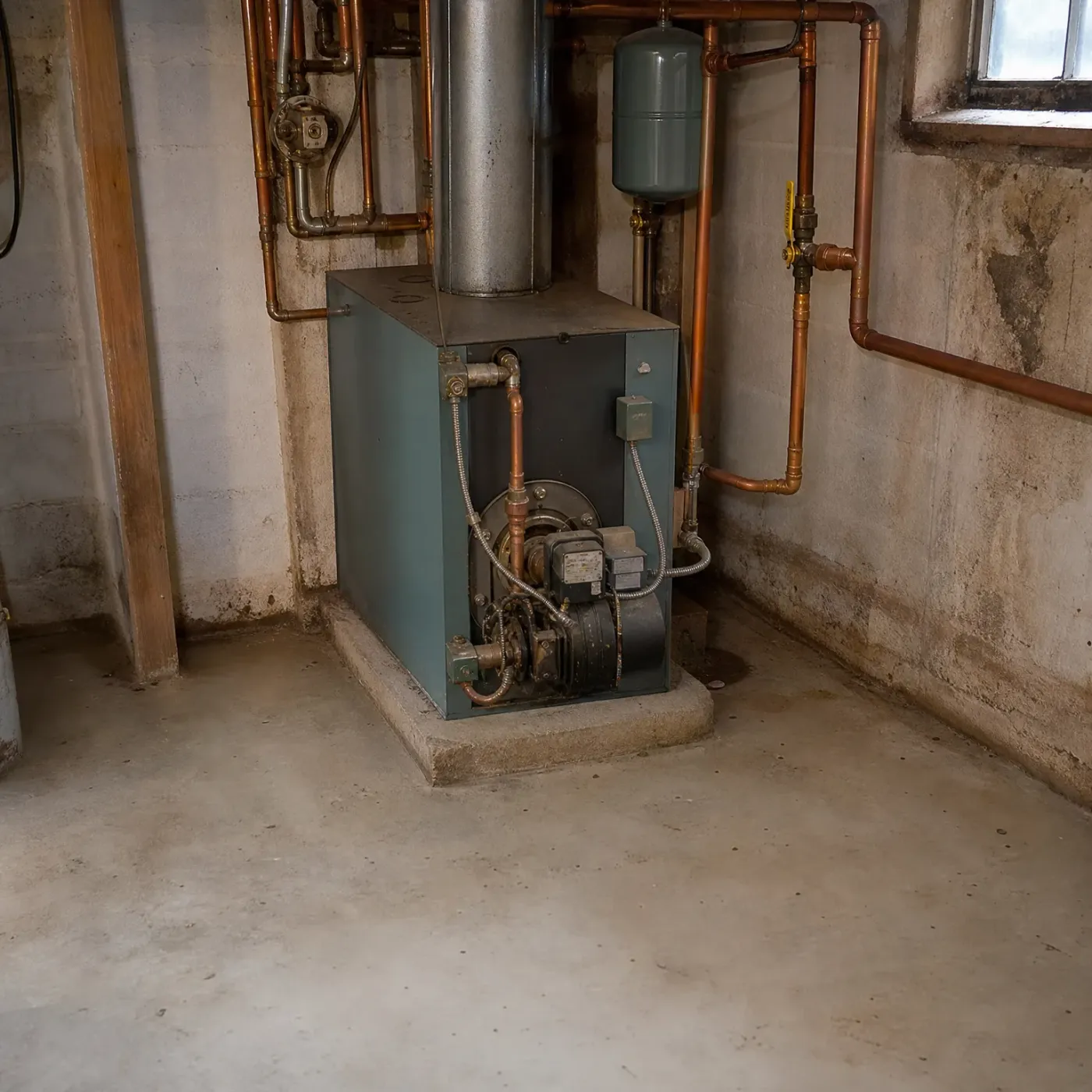
A green oil-fired boiler with a flue pipe, burner and circulator pumps sits on a concrete pad in a basement corner, surrounded by copper piping and an expansion tank against concrete walls.
Before you get your boiler repair
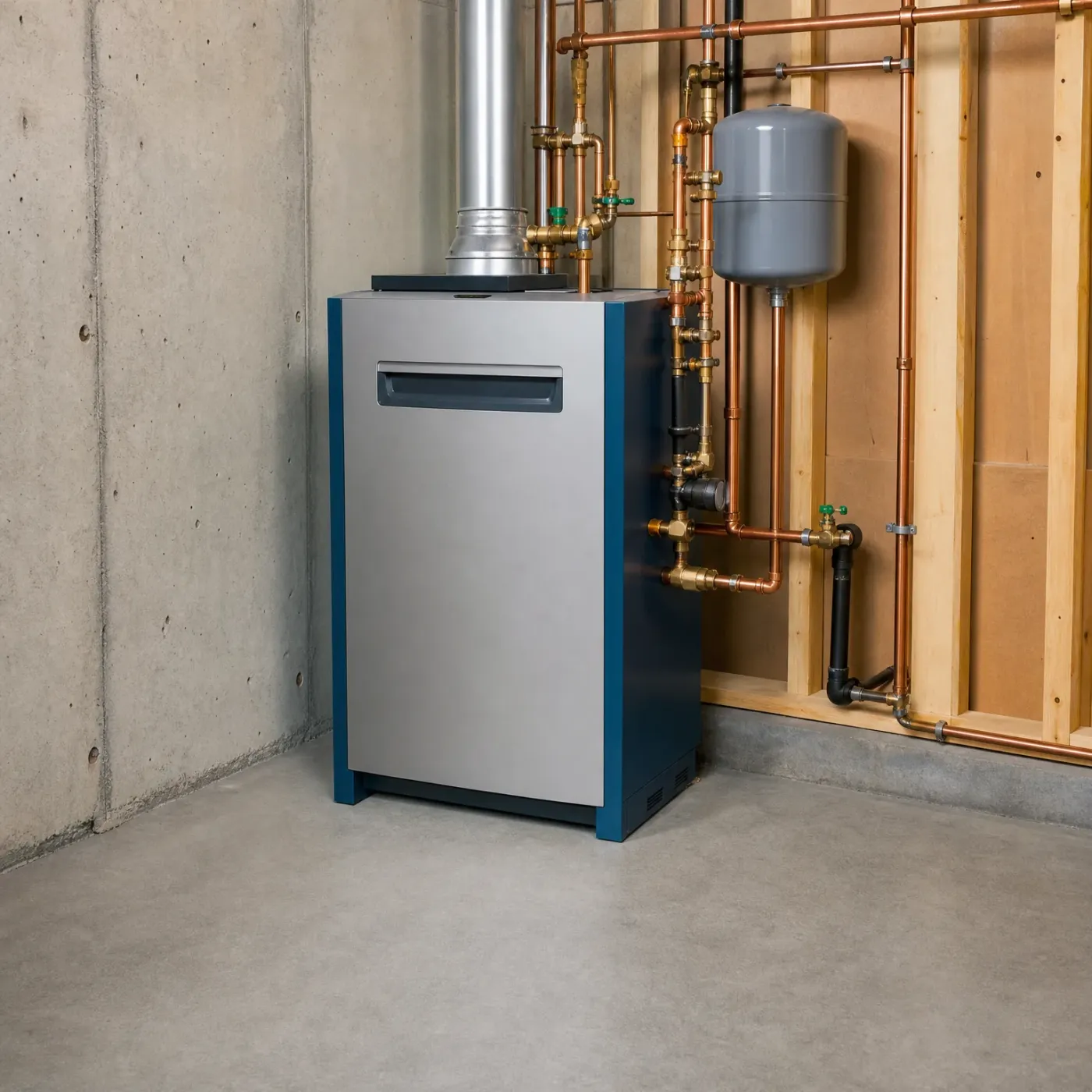
A gray and blue floor-standing boiler in a basement corner, with a metal flue pipe and copper and black piping, valves, and a gray expansion tank mounted on an unfinished wood-framed wall beside a concrete wall.
After you get your boiler repair

Hand off the search today

A licensed pro who repairs boilers in Harris County gets your request.

There's no charge for the request.

How Radiators Actually Get Hot

  • Bleeding a radiator releases trapped air through the small valve at one end until water runs out steady.
  • A circulator pump pushes hot water through the loop, and if it seizes, the far radiators run cold first.
  • Sludge builds up at the bottom of a radiator over years and blocks water from filling the lower section.
  • Zone valves open and close to send hot water to specific rooms, and one stuck shut leaves that whole line cold.
  • An expansion tank holds extra pressure as water heats, and low pressure there keeps hot water from reaching upper floors.
  • Most boilers need bleeding once a year, more if the system sat idle through a mild Houston winter like this one.

Hot water leaves the boiler and travels through pipes to every radiator on the loop. A circulator pump is what moves it. That pump has to push against air, sludge and whatever valves stand in its way, and any one of those can stop heat from reaching a radiator even though the boiler itself is running fine. Air is the most common culprit. It collects at the top of a radiator and keeps water from filling the space, so the top stays cold while the bottom warms. Bleeding clears that air out through a small valve, and once water runs out steady instead of sputtering, the job is done. Sludge works the opposite way, settling at the bottom over years and blocking the lower section while the top runs hot. That buildup doesn't bleed out. It has to be flushed. Zone valves add another failure point. They're built to send hot water to specific rooms or floors, opening and closing on a schedule, but one stuck shut cuts off everything downstream of it, and that radiator or that whole line stays cold no matter what the boiler is doing. Pressure matters too. The expansion tank keeps the system pressurized as water heats and expands, and if that pressure drops, water may not reach the upper floors at all. A boiler that sat idle most of a mild Houston winter is more likely to need all of this looked at before it heats evenly again.

Winter nights average 45°F

At 45°F, your boiler only needs to push enough heat into the loop to take the chill off, not fight a hard freeze. A radiator that stays cold on a night like that points to trapped air, sludge, or a stuck valve, not a boiler struggling to keep up.

NOAA nClimDiv 1991-2020

Calling a general handyman

A handyman can bleed a radiator or tighten a fitting, but a boiler loop is a closed, pressurized system, and guessing wrong can mean a leak, a flooded floor, or a system that still runs cold after the visit. Someone without boiler-specific training may not know whether the problem is a stuck zone valve, a seized circulator, or sludge sitting at the bottom of the radiator. In a city where most homes run on electric heat, boiler work is a smaller specialty, and not everyone who touches HVAC equipment has worked on one recently.

Calling a boiler specialist

A contractor who works on boilers through the mild Houston winter knows these systems sit idle for long stretches and what tends to fail after months without running. They can pressure test the loop, check the zone valves and circulator, and flush sludge without guessing. One licensed, local contractor takes the job, so you are not fielding calls from several companies trying to win the work. You get someone who already knows what usually goes wrong with a boiler that only runs four months a year.

A woman with shoulder-length graying brown hair in a cream knit cardigan sits in a dark armchair indoors, looking off to the side with a slight smile, with a shelf, window and houseplant blurred behind her.
A woman with dark hair in a bun sits on a sofa with a child resting his head on her shoulder, both wrapped in a cream knit blanket, with a lit lamp and bookshelf in the dim background.
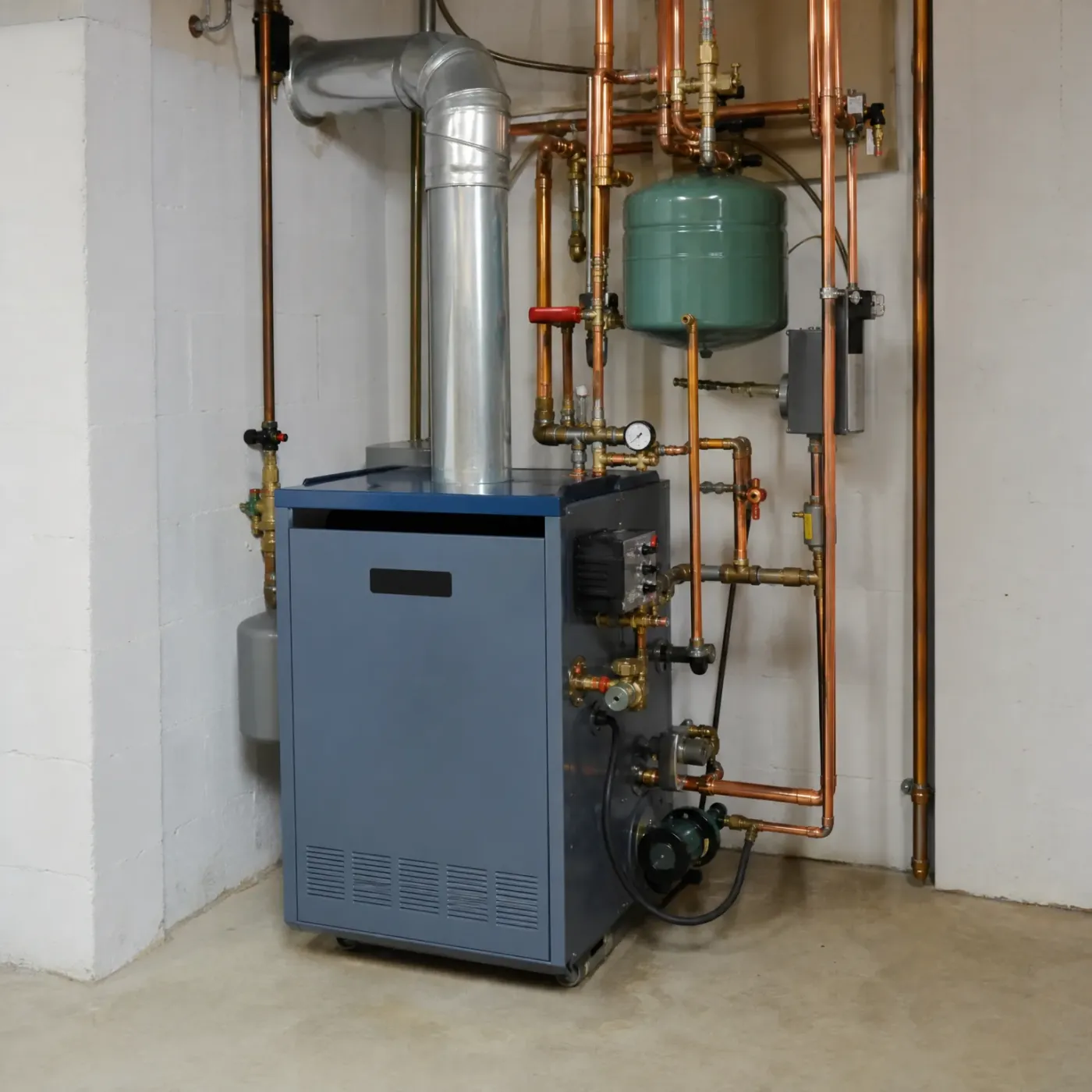
A blue-gray residential boiler in a basement corner, connected to copper piping, a green expansion tank, a circulator pump, gauges, and a metal flue pipe against painted block walls.

What a sound boiler loop looks like

Copper pipe runs clean between the circulator pumps and the brass fittings, the pressure gauge holds its reading, and the expansion tank mounted on the wall stays steady. The flue vents straight up without strain. A loop built like this moves hot water to every radiator on the line.

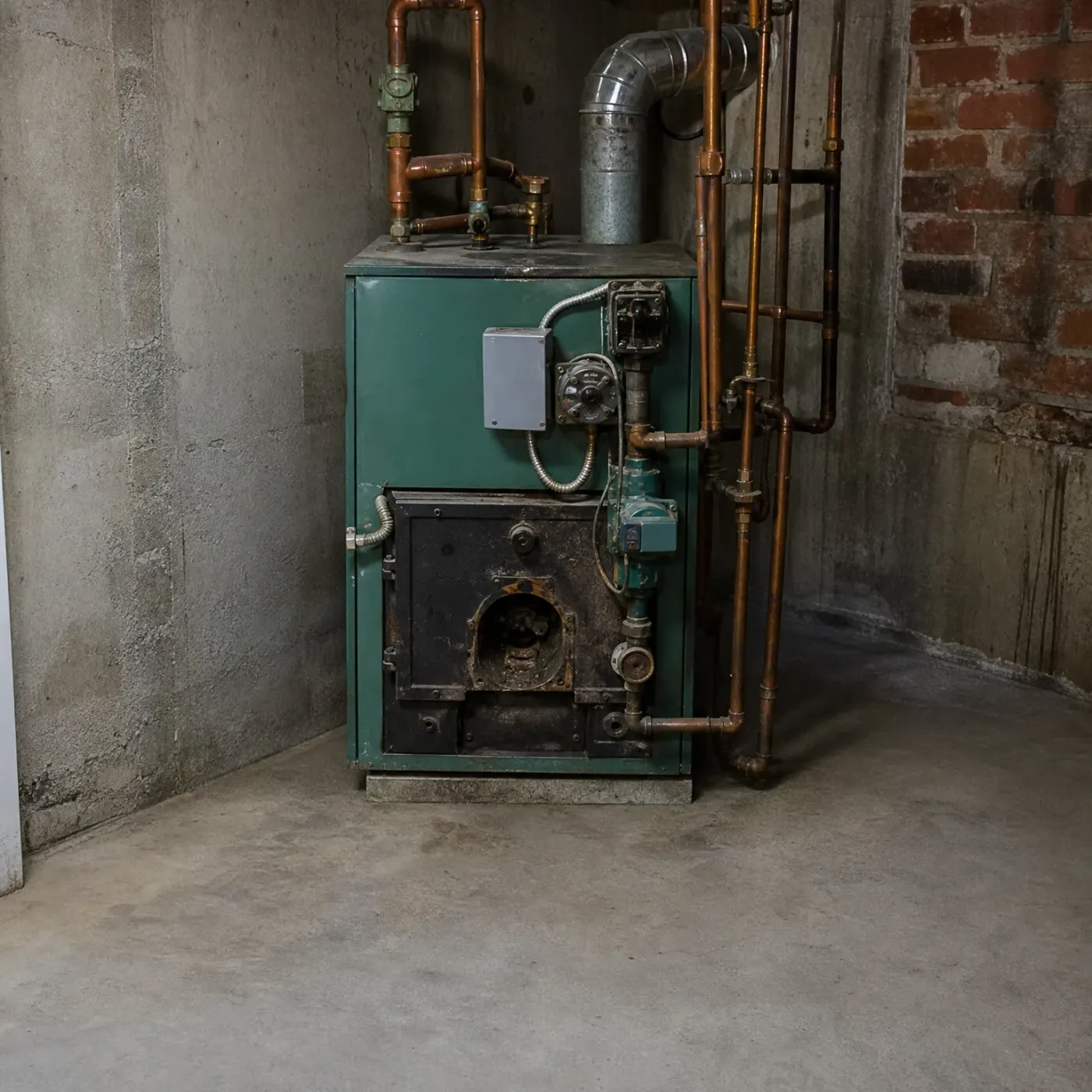
A green cast-iron boiler with a soot-stained front door, copper piping and a metal flue, standing on a concrete floor in a basement corner with concrete and brick walls.

What a failing boiler looks like

The firebox door hangs open and corroded, and rust has worked into the metal around it. Bare concrete and brick behind it, copper pipe still running to the flue. A boiler in this shape struggles to heat water at all, let alone push it to a cold radiator upstairs.

A cold radiator in a Houston house almost always comes down to trapped air, sludge sitting in the bottom of the radiator, or a zone valve that's stuck instead of a boiler that can't keep up. Since this system only runs a few months a year, those problems have a long stretch to build up quietly before you ever notice a cold spot. Sorting out which one you have and fixing it right means opening a pressurized, closed loop, which is why this isn't a job to hand to whoever's free. A boiler technician who works on these systems every winter in this area has likely already seen the exact fault sitting in your line, because the short, mild heating season here tends to produce the same handful of failures again and again. Once you request service, you're matched with one licensed local contractor for your repair, not a handful of companies competing for the job. You'll know who's coming and what they're there to fix.

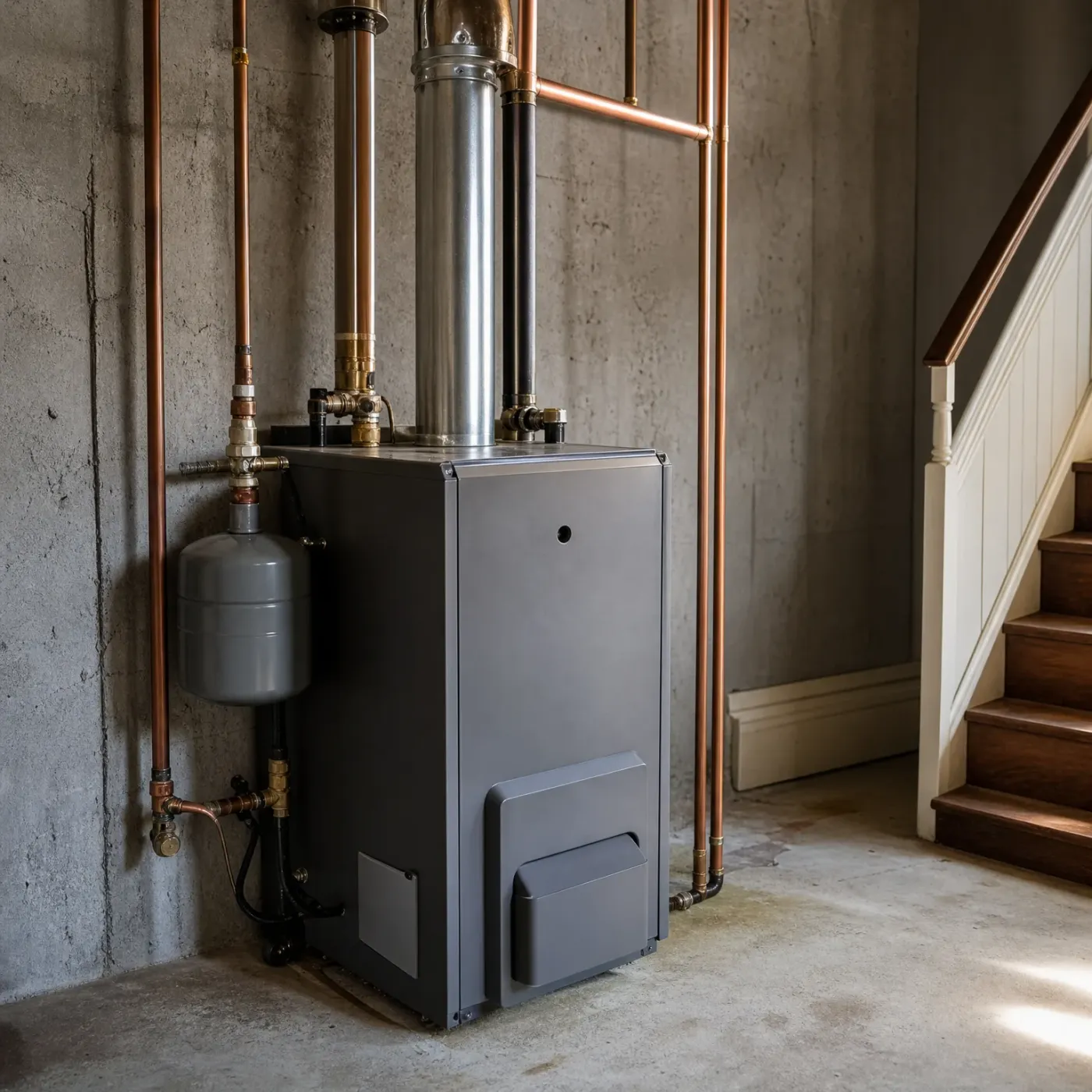
A dark grey floor-standing boiler with an expansion tank, copper piping and a metal flue against a concrete basement wall, with a wooden staircase at right.

Stop chasing a boiler pro

Find a local pro

The pro who gets in touch is licensed in Texas and works in Harris County.

You only hire the pro if you want to.