
One winter running on radiators alone
Your boiler keeps heating the same handful of rooms through the cold months while the rest of the house stays cold underfoot. Nothing changes until the tubing goes in.
 Hand off my installation
Send the form and stop researching installers for the new boiler.
You already have a boiler, so you're not asking whether radiant floor heat works. You're asking whether it's worth putting under your floors here, in a state where most houses run on electric heat and summers are the real test for any system you install.
Radiant floor heat answers to a boiler the way nothing else does. It heats the slab or the subfloor itself, and the room warms from the floor up instead of from a vent blowing air around. In a Texas winter, which is short and not especially hard, that matters less for how cold it gets than for how the heat feels while it runs. No forced air moving dust, no vents to balance between rooms.
Where it earns its keep is the rest of the year. Your summers are muggy, and radiant systems don't compete with your air conditioner. They stay off entirely until the air actually turns, so the humidity fight stays in the AC's hands alone, where it should.
What it costs to run depends on your boiler, your gas or electric rate, and how your home holds heat, none of which this page can tell you. What it takes to put in is a real project, floors opened or built up, a boiler sized and piped to feed it, work that has to be done right the first time because it's under the floor once it's closed up.
That's the part worth handing off. You could spend the next few days calling installers, explaining your boiler, your square footage, your floors, over and over, then sit with quotes that don't match up because no two contractors priced the same job the same way. Send the form instead, and that work stops being yours to do. Someone qualified for this kind of install gets matched to your job, and you're done chasing it.
Your house already has a boiler, so you're asking whether it's worth extending it into radiant floor heat here, not whether radiant heat works in general. You already know what it costs to run a boiler through a Texas winter, which is short. The real question is whether that comfort is worth the install when most of your neighbors heat with a heat pump or electric furnace and nobody runs the boiler more than a few months a year.
Radiant floor heat warms the floor itself instead of blowing air through ducts, so rooms feel warm at a lower thermostat setting and there's no draft. With a boiler already in the house, adding radiant loops means extending a system you're already paying to maintain rather than installing a second one from scratch. Where that math changes is how little you'll use it. Texas winters are short, so the radiant system sits idle most of the year while your air conditioner does the real work all summer. You won't recover the install cost through lower heating bills the way someone in a cold state might. What you get instead is a warmer floor on the handful of cold mornings you actually use it, which is a comfort choice, not a savings one.




Skip the round of in-home estimates for a new boiler.
You only hire the pro if you want to.
A boiler heats water and sends it where it's told. Right now that's probably a handful of radiators or baseboard units. Radiant floor heat uses the same boiler and the same heated water, just routed through tubing laid under the floor instead of through radiators. The boiler doesn't change. What changes is the distribution, and that's a plumbing and flooring job more than a heating job. If your boiler already has the capacity to heat the square footage you're adding tubing to, the installation is about running new loops and tying them into the existing system, not replacing what you have.
Winters in Texas are short, but when a cold snap hits, a slab or subfloor with no insulation under it pulls heat out of a room fast. Radiant floor heat puts the warmth at floor level, where it stays instead of rising straight to the ceiling. Electric heat, which most houses here already have somewhere, warms the air directly and loses ground the moment a door opens. Radiant doesn't move air at all, so there's no draft and no cold spot by the window. For a house that's only heating a few weeks a year, that steadier floor temperature is the main thing radiant adds over what's already there.
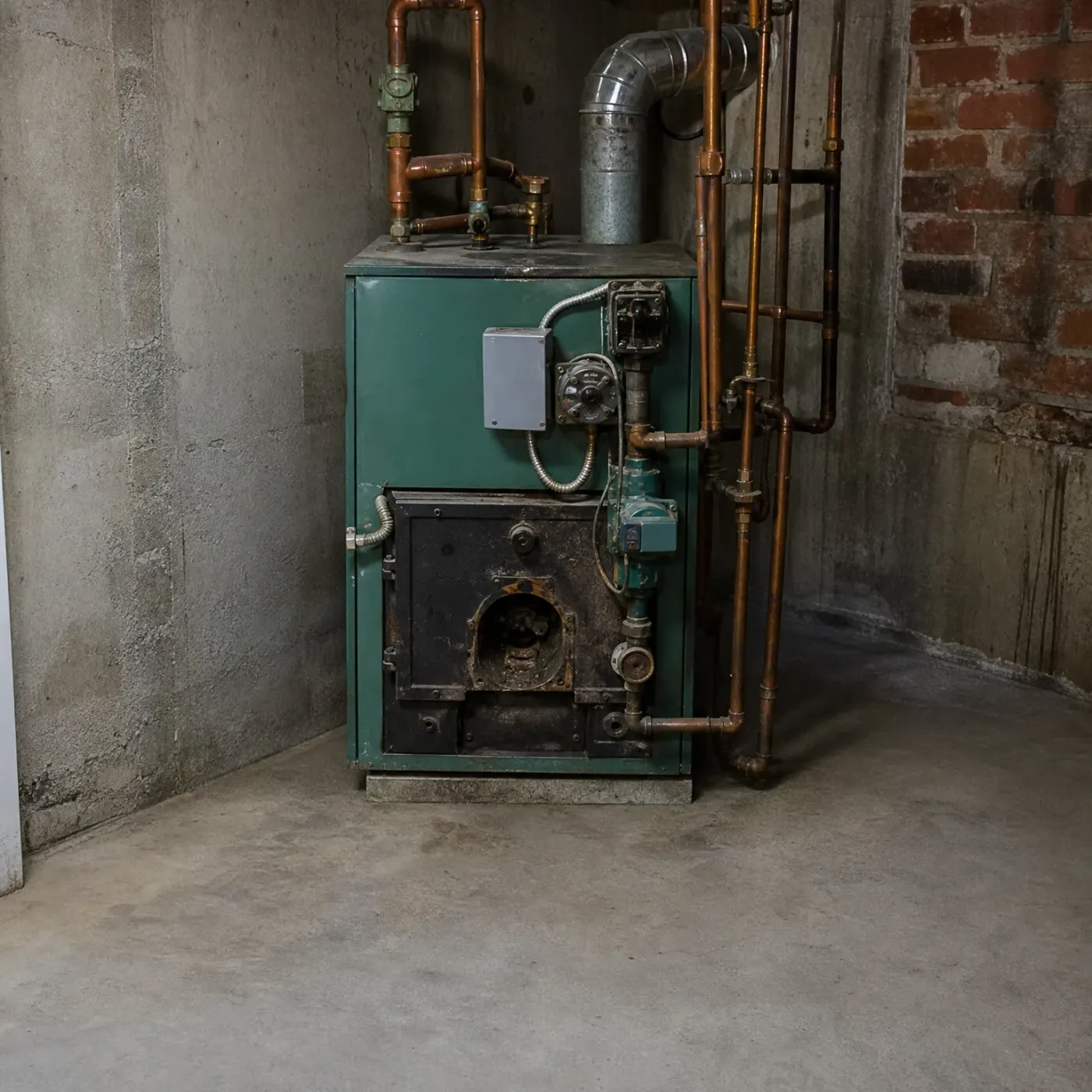
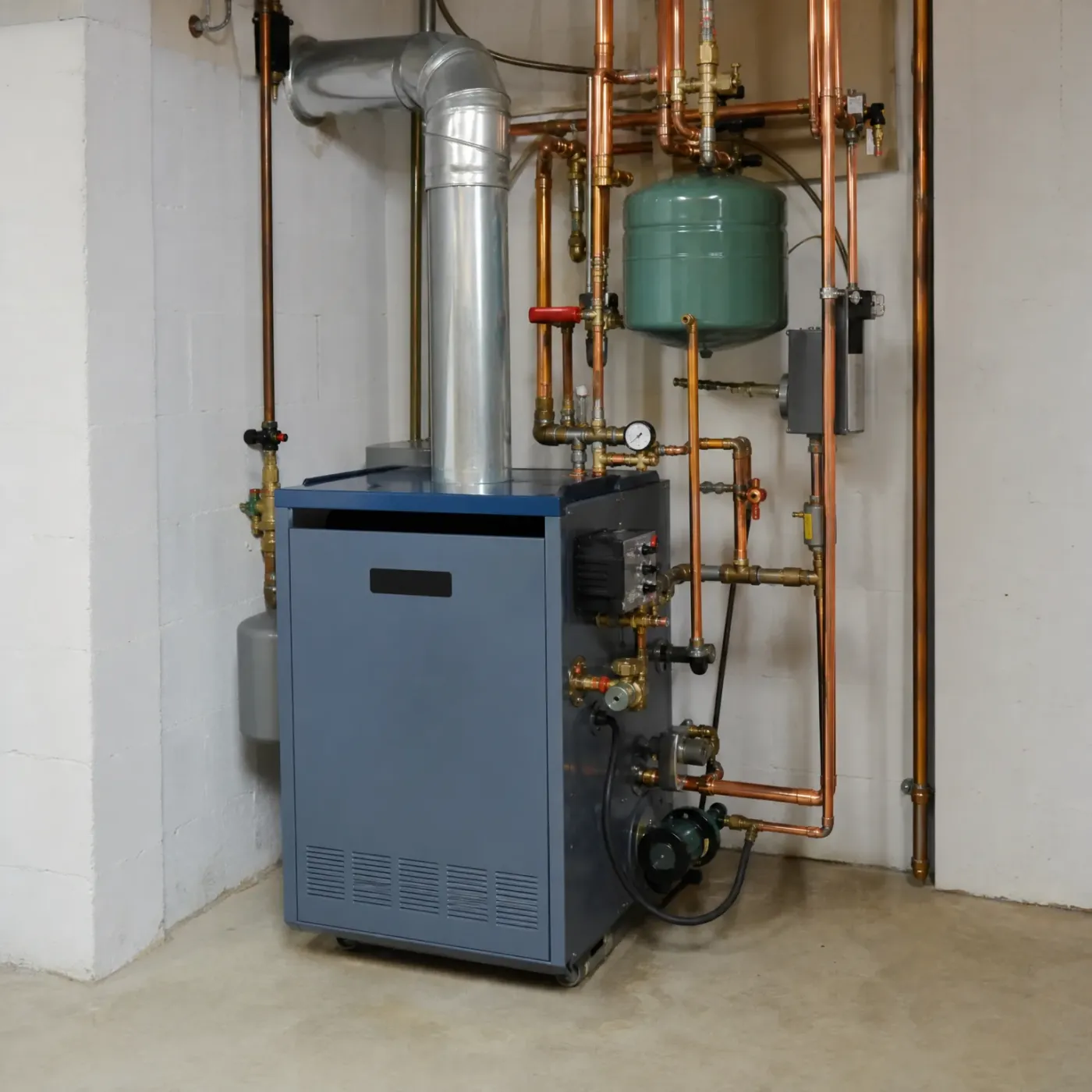
Your boiler keeps heating the same handful of rooms through the cold months while the rest of the house stays cold underfoot. Nothing changes until the tubing goes in.
The same boiler, the same heated water, now reaching the whole floor instead of a few radiators. You stop hunting for contractors and comparing quotes yourself.


A contractor loops tubing across the subfloor in each room.
The boiler heats water the same way it does now.
Heated water is routed through the tubing instead of radiators.
The floor itself warms the room from below.
Nights here average 41°F in December, January and February, mild enough that your boiler isn't fighting the kind of cold that keeps a system running nonstop. Radiant floors would hold that warmth steady at your feet instead of cycling heat into the air above you.
NOAA nClimDiv 1991-2020 county normals weighted by homes
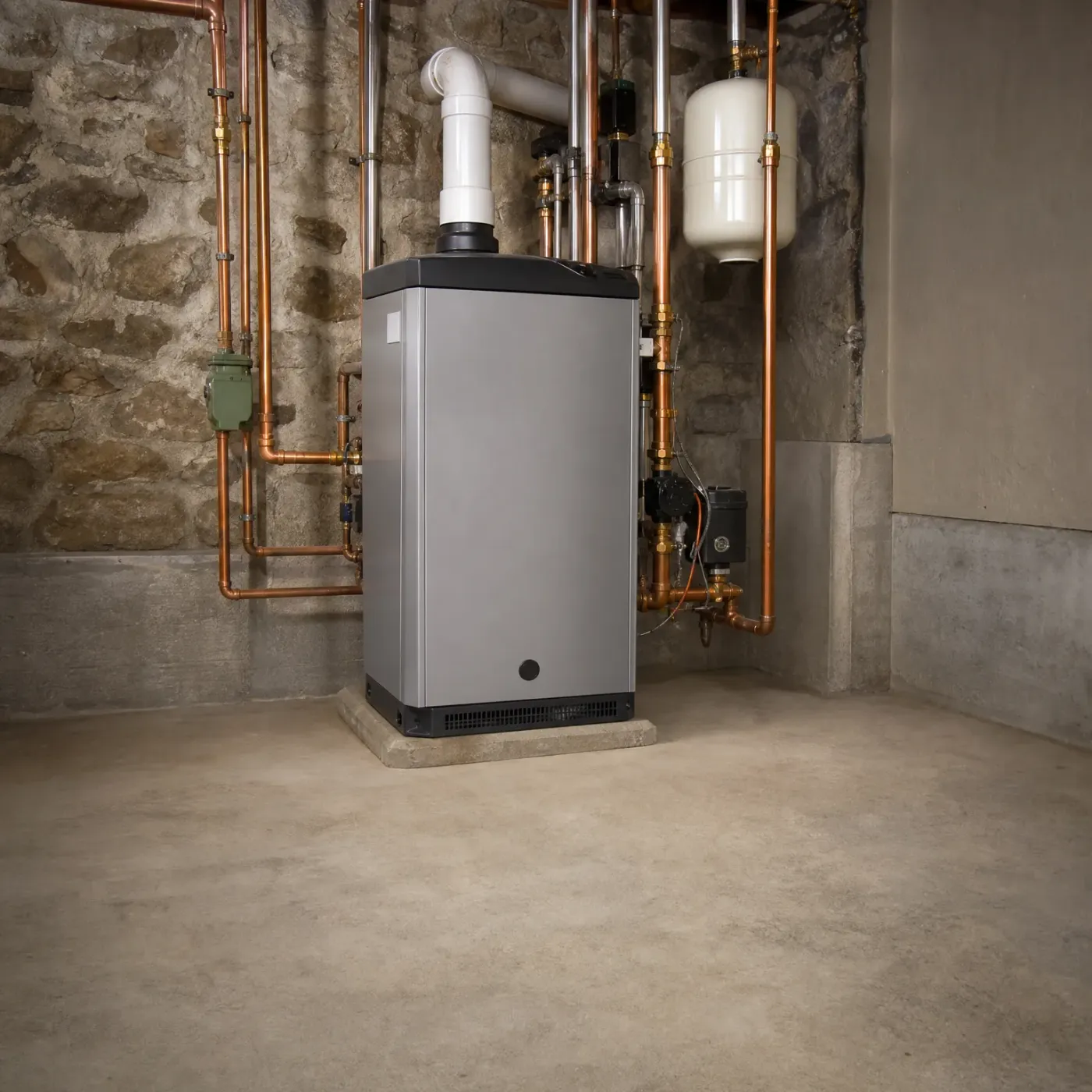
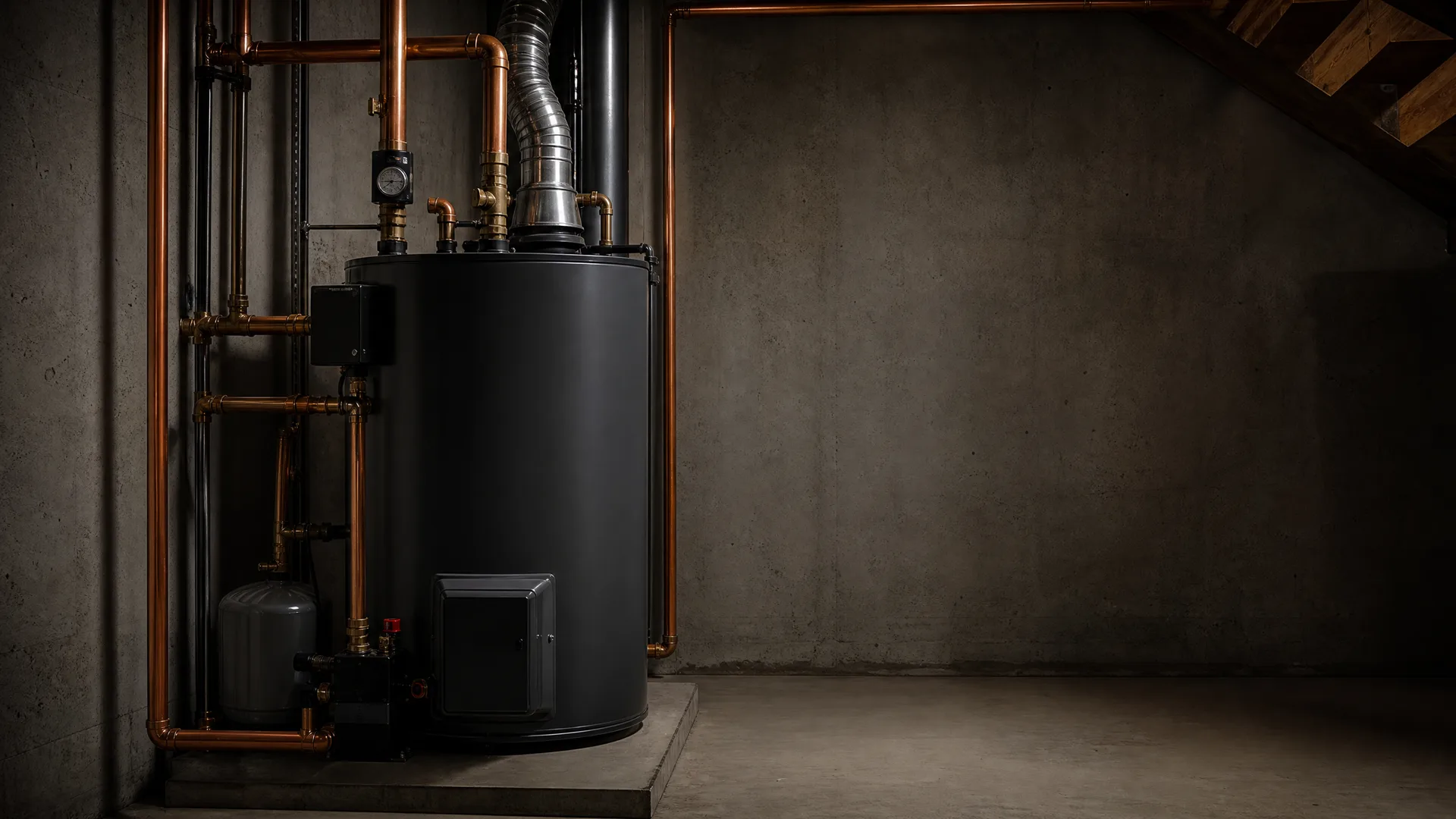
This is what a boiler looks like doing its job. Clean copper lines, a working pump, pressure holding steady. A boiler in this shape can take on radiant tubing without strain, since the work is routing water, not asking more of the unit.
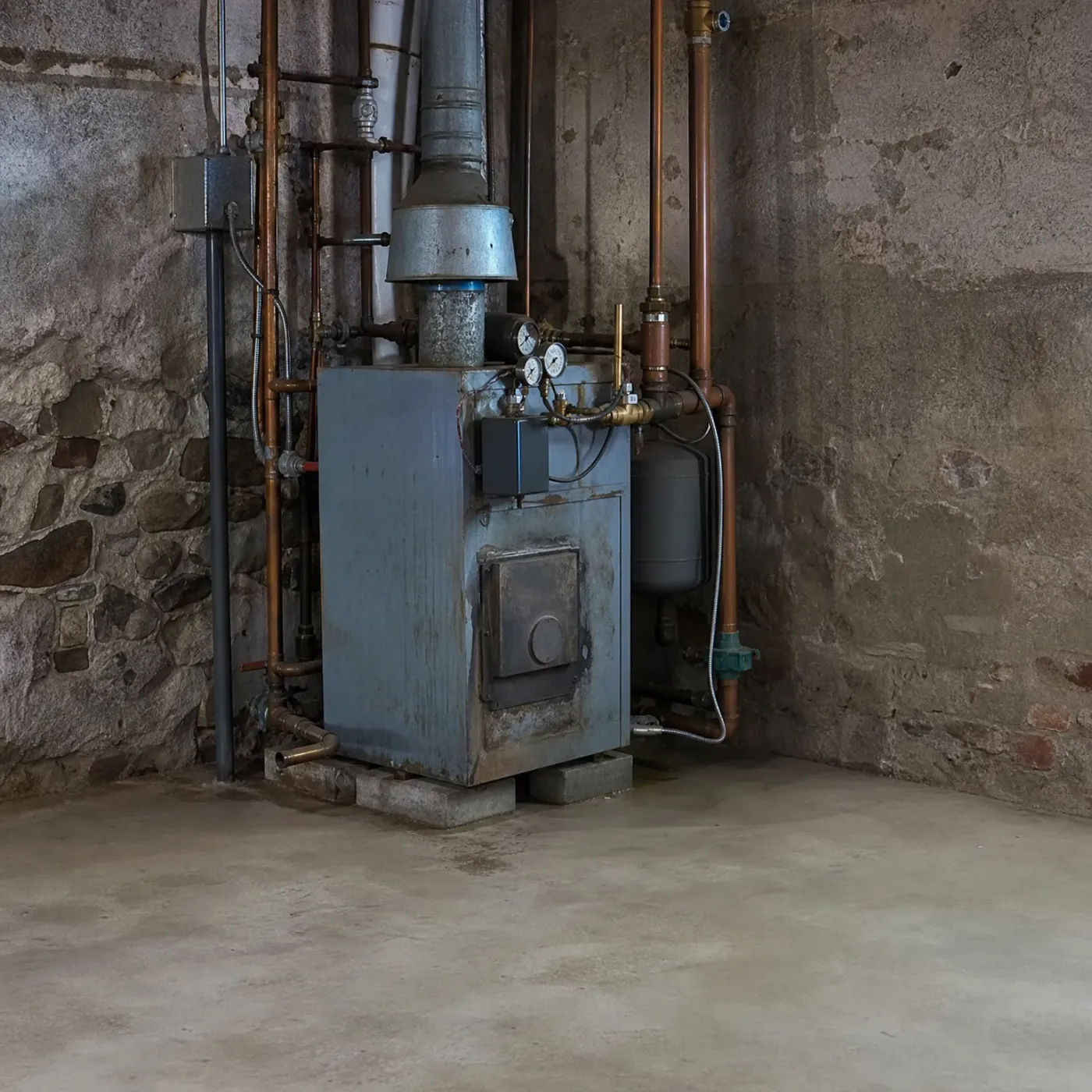
Cast iron like this has likely been in that corner longer than you've owned the house. Old boilers can still heat water fine, but running new tubing off one that's failing means redoing the tubing too once it's replaced.

Radiant floor heat is worth it with a boiler you already have. The boiler does the same job it does now, heating water. The tubing just gives that heat a better way to reach the room, and with winters here as mild as they are, your boiler would be doing less work to keep your feet warm than it does now pushing heat through radiators.
What's left is finding someone who installs it right, a contractor who can run tubing room by room without tearing into more of your house than needed. That's usually the part that eats the afternoon: calling around, telling three different people the same thing about your boiler, waiting on quotes that don't line up. Send the form and that part is off your plate.

Skip collecting and comparing quotes for the new boiler.