Repair it again
If the boiler is still holding pressure and heating evenly, a single repair is often the cheaper path. You keep the system you know and skip the work of planning a swap.
You want a number before you decide whether to keep repairing your boiler or start planning for something new. Boilers aren't something most homeowners think about until there's a problem, so it helps to know roughly what age range is normal and what range should make you start paying closer attention to how it's running.
A well maintained boiler usually runs 15 to 20 years before it needs replacing. El Paso winters are cold enough that most homes rely on gas heat to get through them, but the system isn't under constant strain the way it would be somewhere with a longer, harsher winter. That gives a boiler here a reasonable shot at reaching the upper end of its expected life, especially if it gets yearly service. Past 20 years, parts get harder to find and efficiency drops off, so a boiler still running at that age is worth having checked rather than assumed fine. The real number for your unit depends on how it was installed and maintained, not just its age.
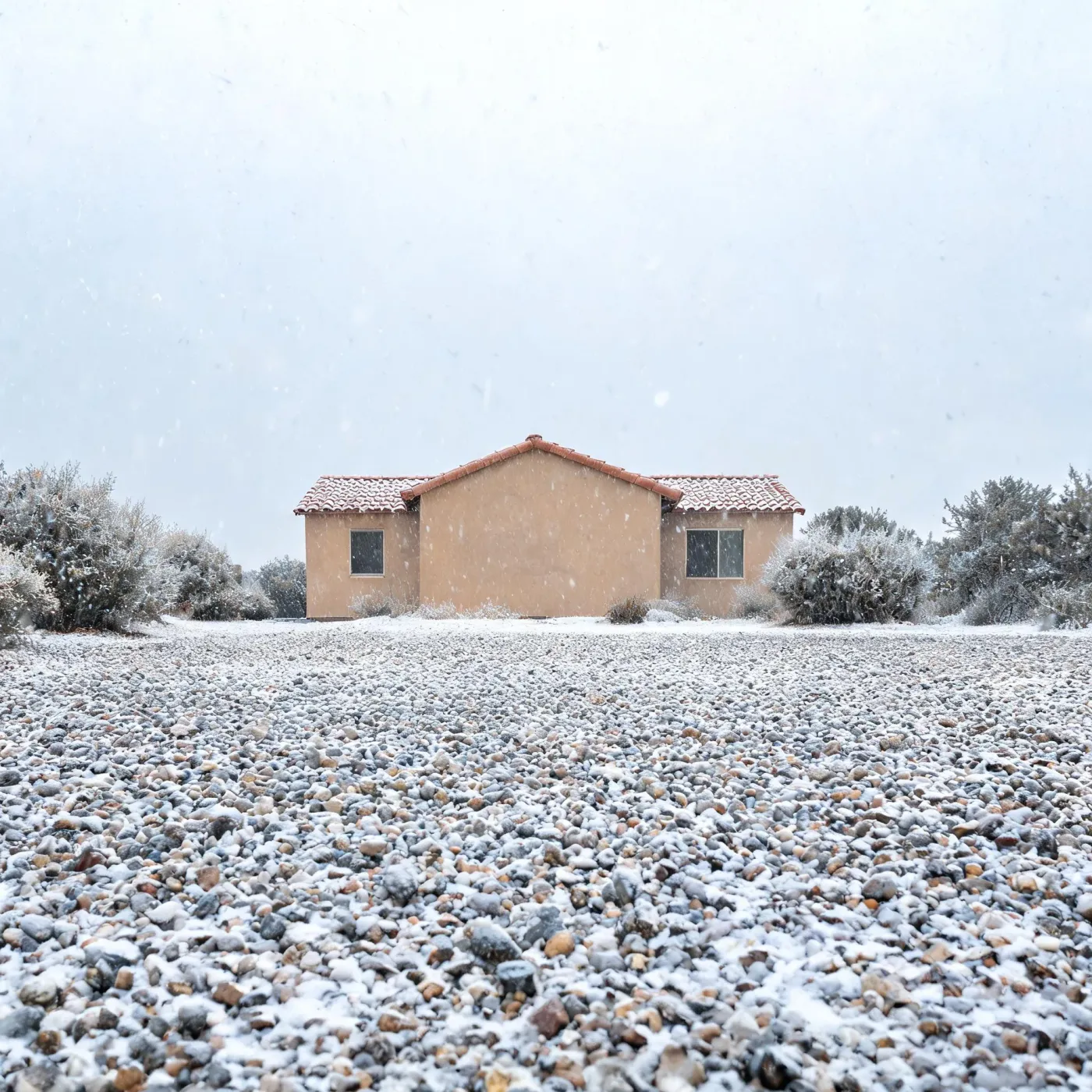
Winter nights here average 32°F across December, January and February, according to NOAA. That's right at freezing, not far below it, so your boiler isn't fighting the kind of deep cold that pushes a system hard night after night. It cycles on in the evening and holds a steady, moderate load rather than running flat out. That lighter workload through winter is part of why a boiler in El Paso can hold up as long as it does. You'll still want the burner and pilot checked before the cold sets in, since a system that only works a few months a year is also one where a problem can sit unnoticed until the first freezing night.
NOAA nClimDiv 1991-2020




Winter nights average 32°F
Freezing at night, not far below it, so your boiler isn't straining against deep cold the way one in a colder state would.
Heat runs November through March
Five months of run time a year leaves the other seven for the boiler to sit idle, which is a light workload over its life.
71% of homes heat with gas
Gas is what most homes here run on, and a gas boiler's parts wear on a schedule that's well understood by contractors in the area.
NOAA nClimDiv 1991-2020 · ACS 2020-2024
A boiler that's lasted this long in El Paso has had an easier road than one in Chicago or Minneapolis, and that shows up in what you'll notice day to day. Years fifteen through twenty, you're more likely to catch a pilot that won't hold or a pressure relief valve that starts weeping than a system that quits outright. Past twenty, the cast iron sections or the heat exchanger itself become the risk, and that's not a part swap, that's a system that's done. Your gas bill in January tells you more than your age tells you. If it's crept up two winters running with no change in your thermostat habits, the boiler is working harder to deliver the same heat, and that's wear you can't see from outside the jacket. Wait too long past that point and you're choosing between a repair bill on a dying unit or a mid-winter failure with no heat until a contractor can get a new one in.
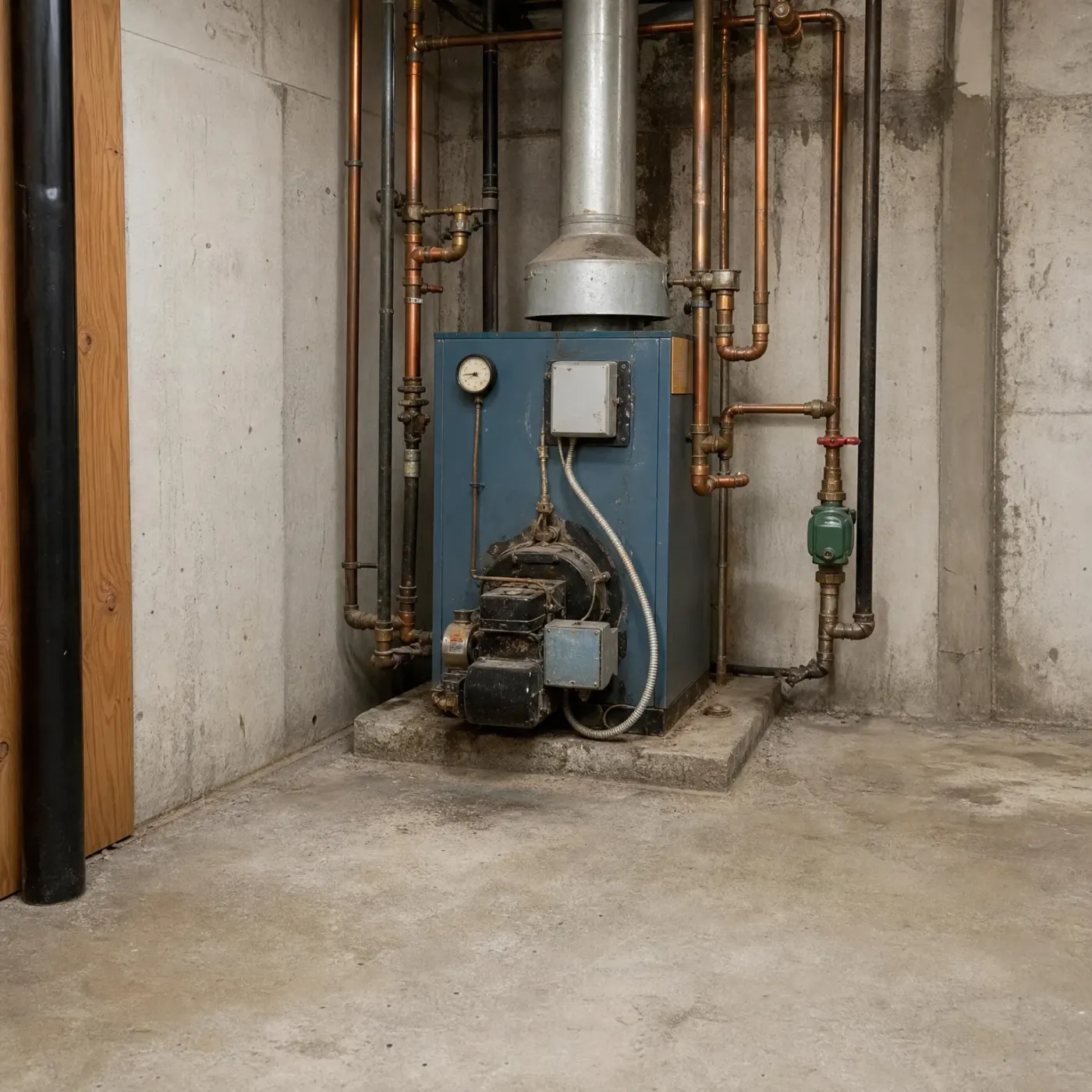
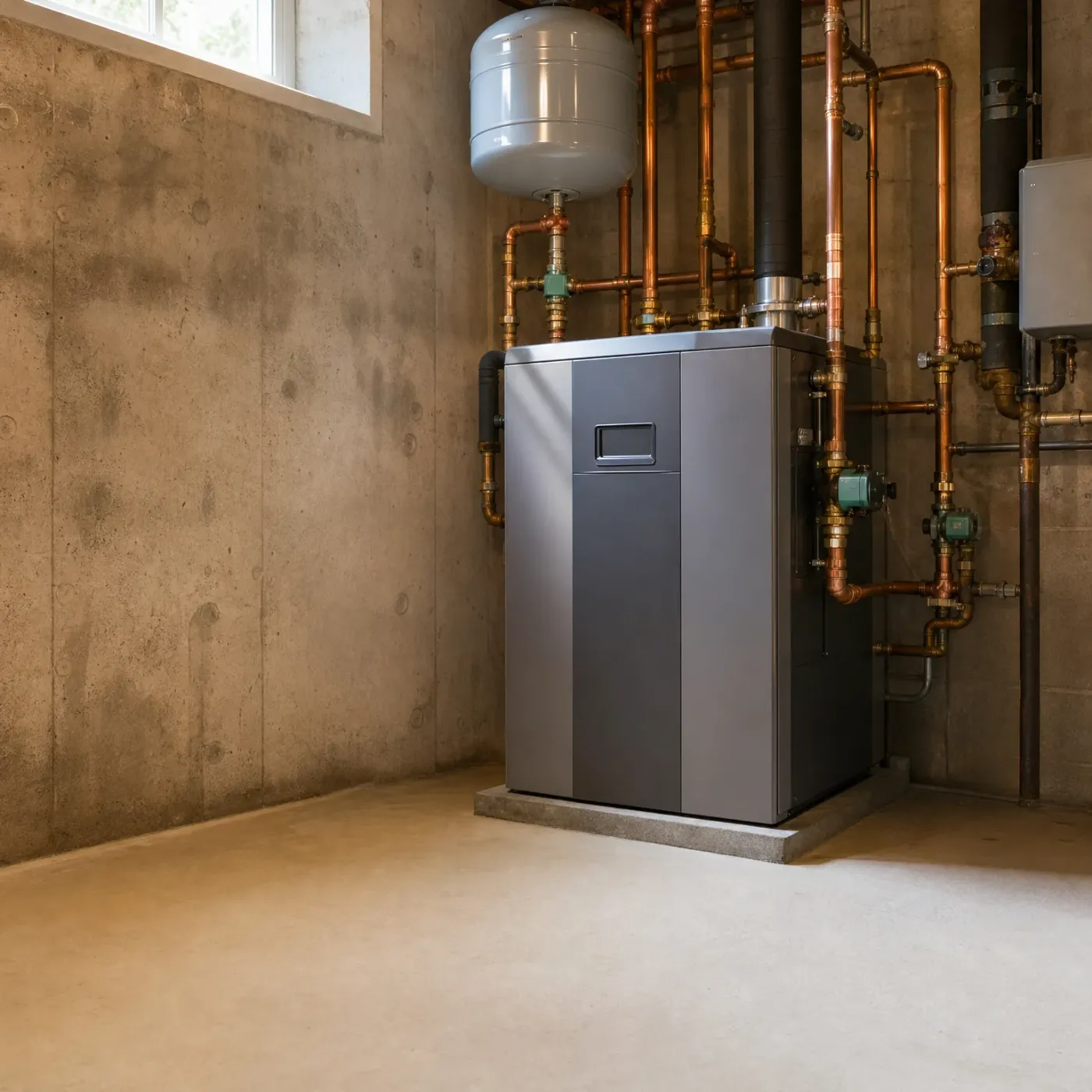
If the boiler is still holding pressure and heating evenly, a single repair is often the cheaper path. You keep the system you know and skip the work of planning a swap.
Repeated repairs on the same unit add up, and a boiler past its years can fail on a cold night. Replacing it ends the guessing and the cycle of fixes.


Skip the round of in-home estimates for a new boiler.
It costs nothing to send, and you don't have to hire anyone.
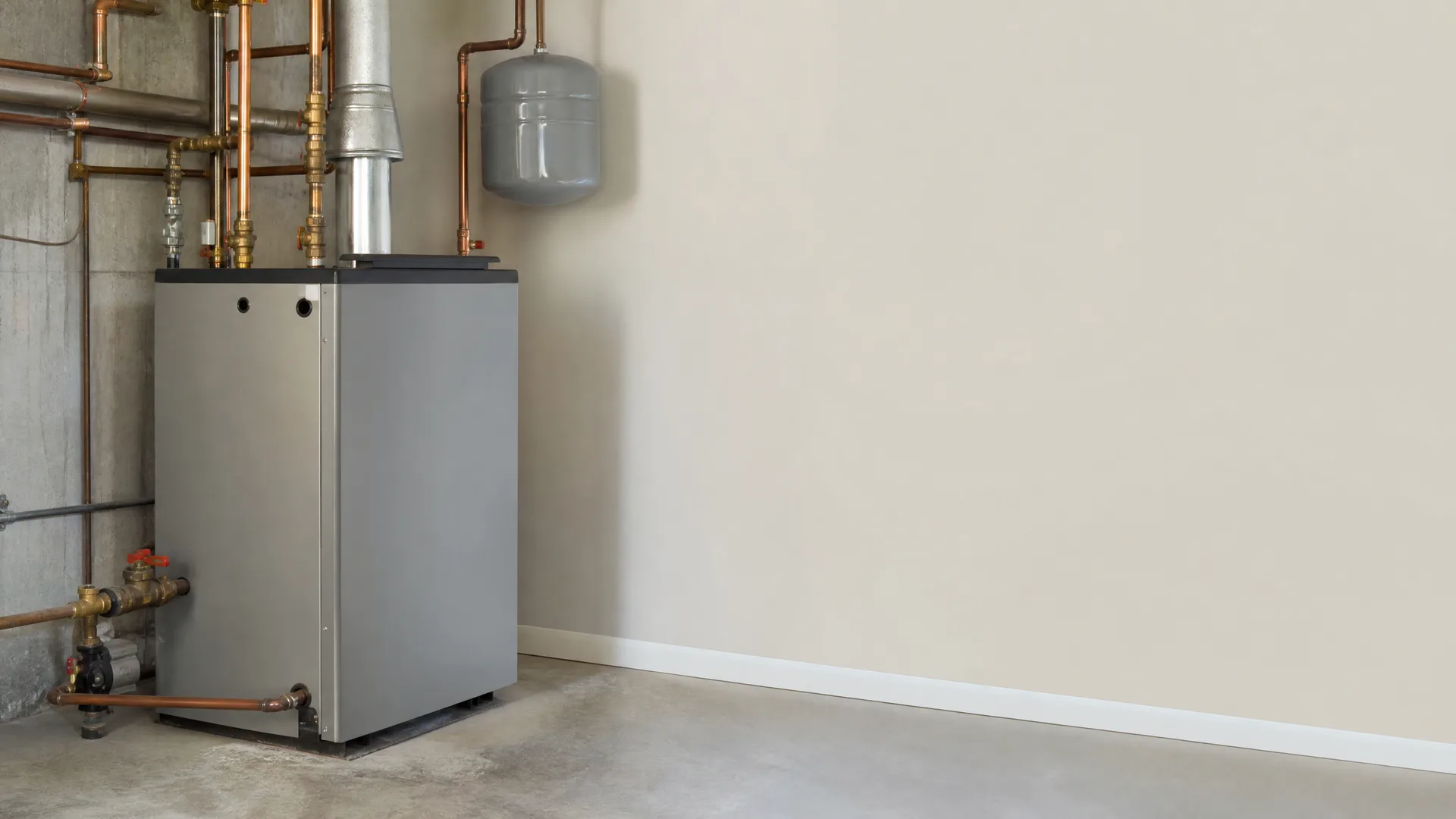
Yearly service, water chemistry checked, the expansion tank tested when it's due. That kind of upkeep is why some boilers in El Paso make it past twenty years without a major part failing. You're not fighting deep cold here, so a well-kept system has less working against it. The payoff shows up late: fewer surprise outages, a pilot that holds, pressure that stays where it should.
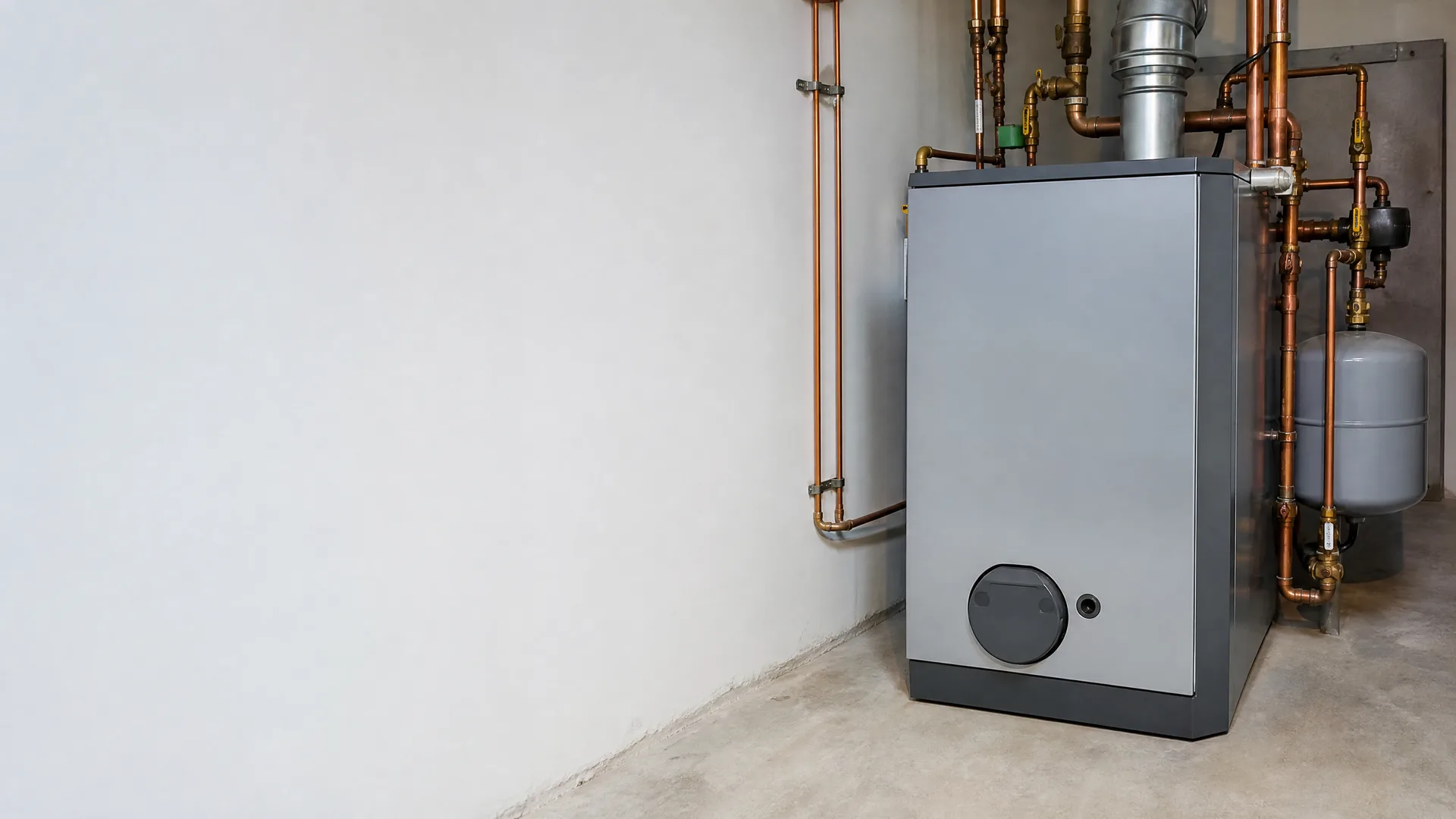
No annual service, no one checking the pressure relief valve or the anode rod, repairs done only when something stops working. That boiler can still run for years, but it's running blind. A cracked heat exchanger or a failed circulator pump tends to show up with no warning, usually on a cold morning when you need heat most. Skipping upkeep doesn't shorten the mild winter load here, but it does mean small problems go unnoticed until they're expensive ones.
32°F at night means frost, not a hard freeze. Your boiler holds steady heat through the evening instead of running flat out to keep pipes from freezing, which is the kind of strain that wears a system down faster in colder states.
NOAA nClimDiv 1991-2020
Cold water enters the boiler and the burner or element fires to heat it
A thermostat call sends heated water out through supply pipes to radiators or coils
Water gives up heat to the room, then returns cooler to the boiler
The cycle repeats until the thermostat is satisfied and the burner shuts off
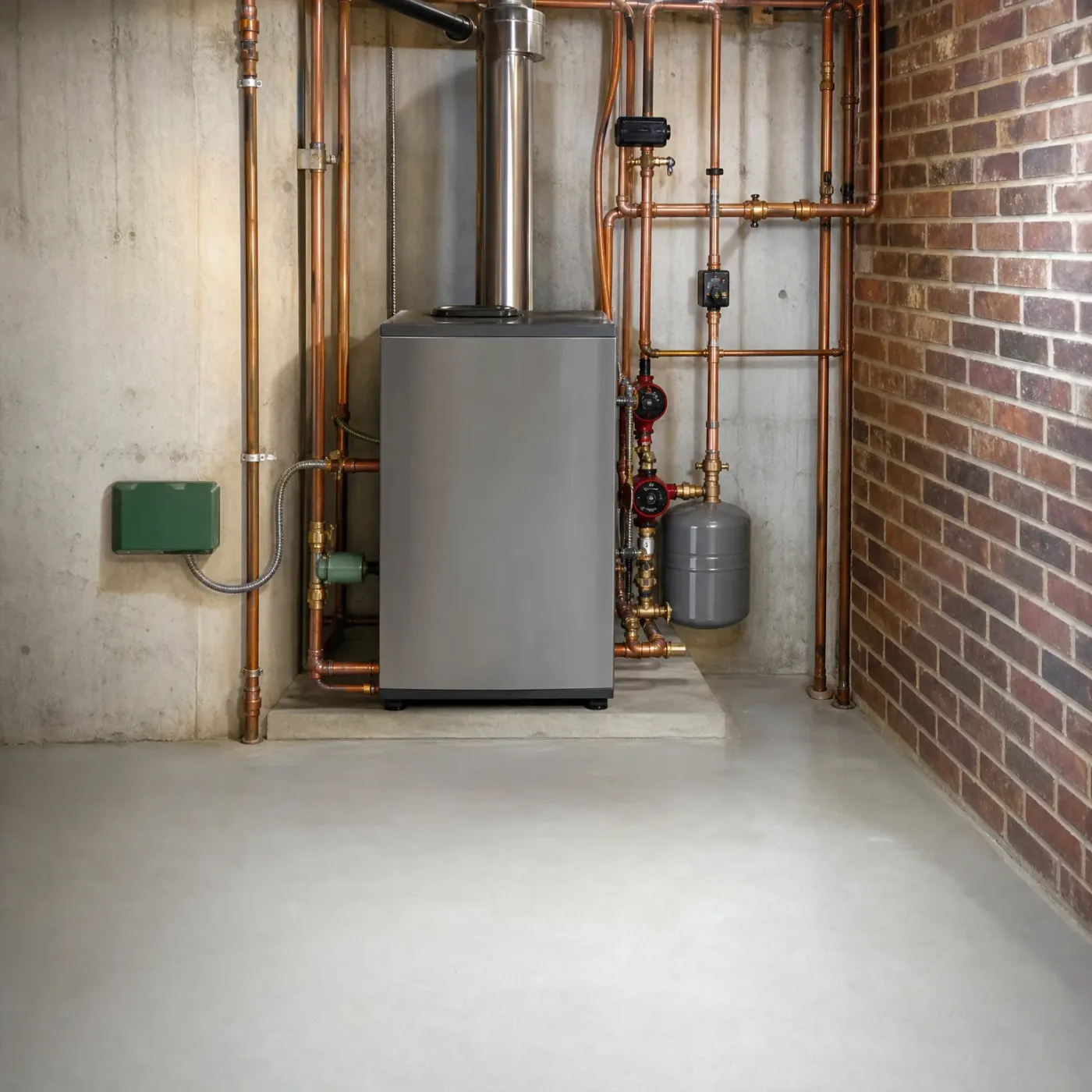
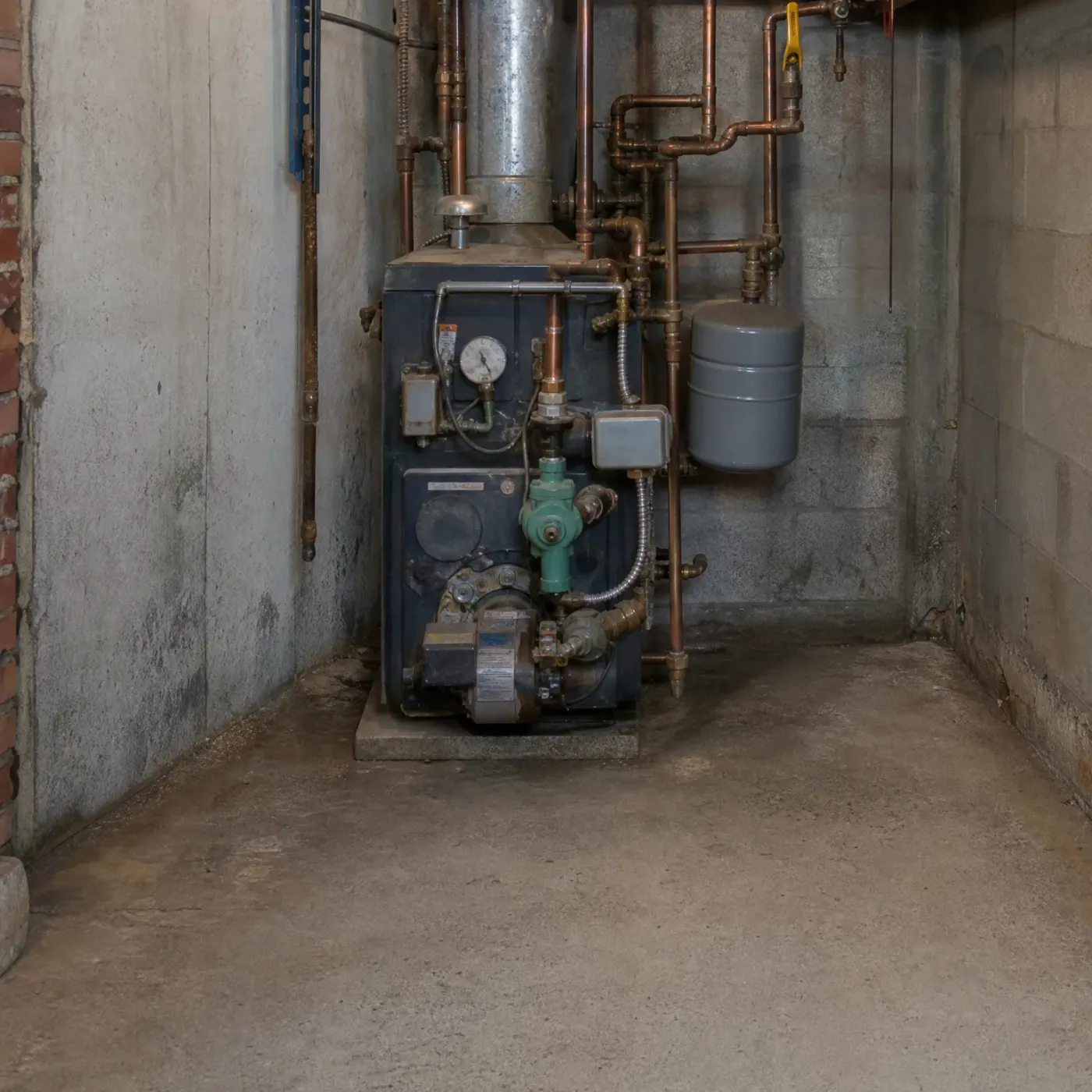
Fifteen to twenty years is the range for a boiler in El Paso, and the mild winters here are a real part of why some push past it. Freezing nights, not the deep cold a boiler in Chicago or Minneapolis would face, mean less strain year after year. What decides where your boiler falls in that window is upkeep. Yearly service and water chemistry that's been kept in check are the difference between a boiler that's done at fifteen years and one still holding at twenty. The signs that you've reached the end of that window are specific: a pressure gauge that won't hold, a pilot that won't stay lit, a pilot that won't hold. Those point to the end, not the middle, of a boiler's life.
Once you know where your boiler stands, the decision in front of you is whether to repair it again or start planning for a replacement. That decision is easier to make than the search that usually follows it. Finding a contractor on your own means separate calls to different companies, explaining the same problem each time, and trying to compare quotes that aren't laid out the same way twice. Matching with a contractor who already knows El Paso's boilers and what mild winters do to them skips that work. You're left with the actual decision, not the legwork of finding someone to help you make it.

Describe the project once instead of to every installer.
No charge to send it. You decide if you hire them.