Pilot lit, flame steady
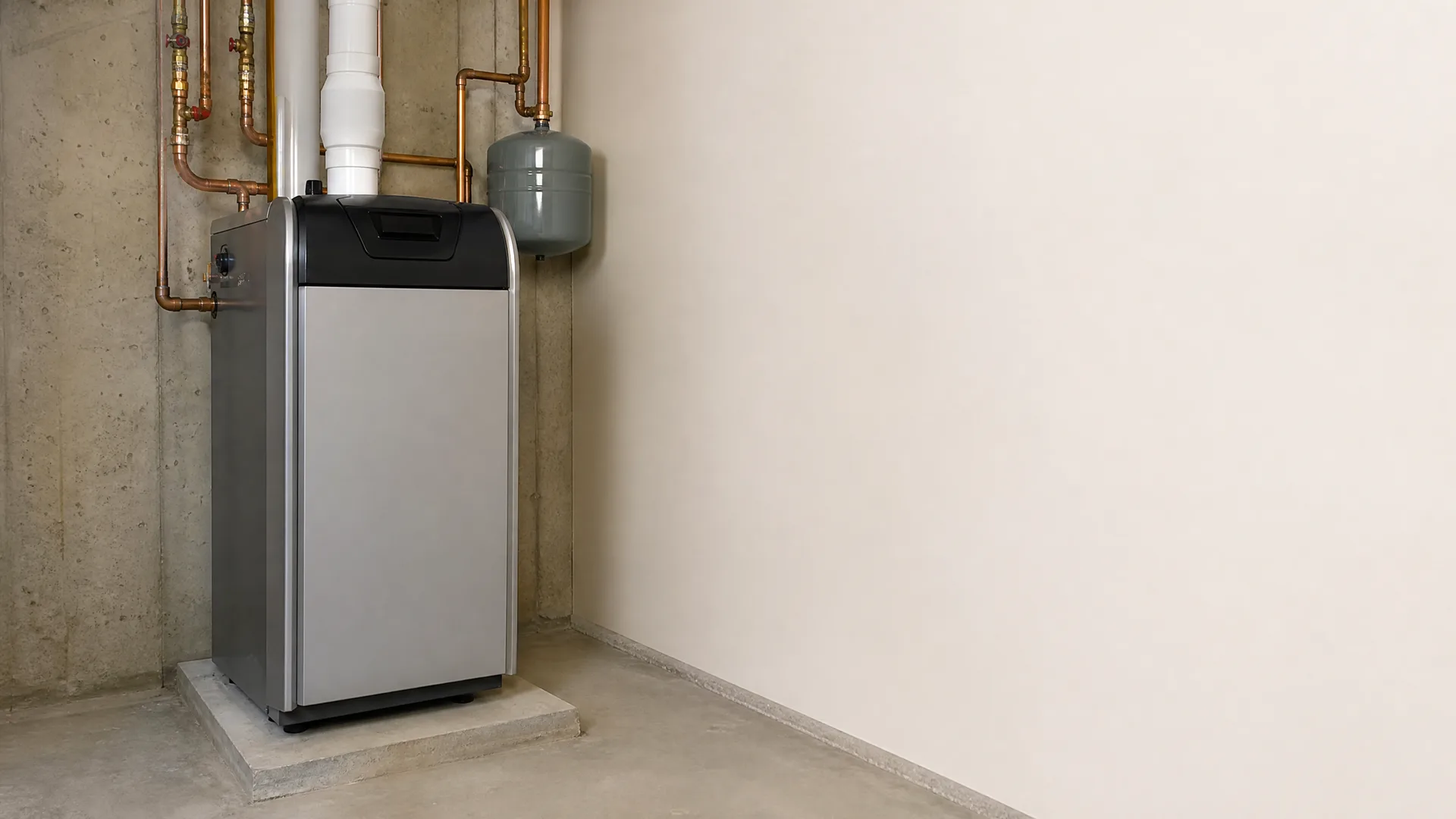
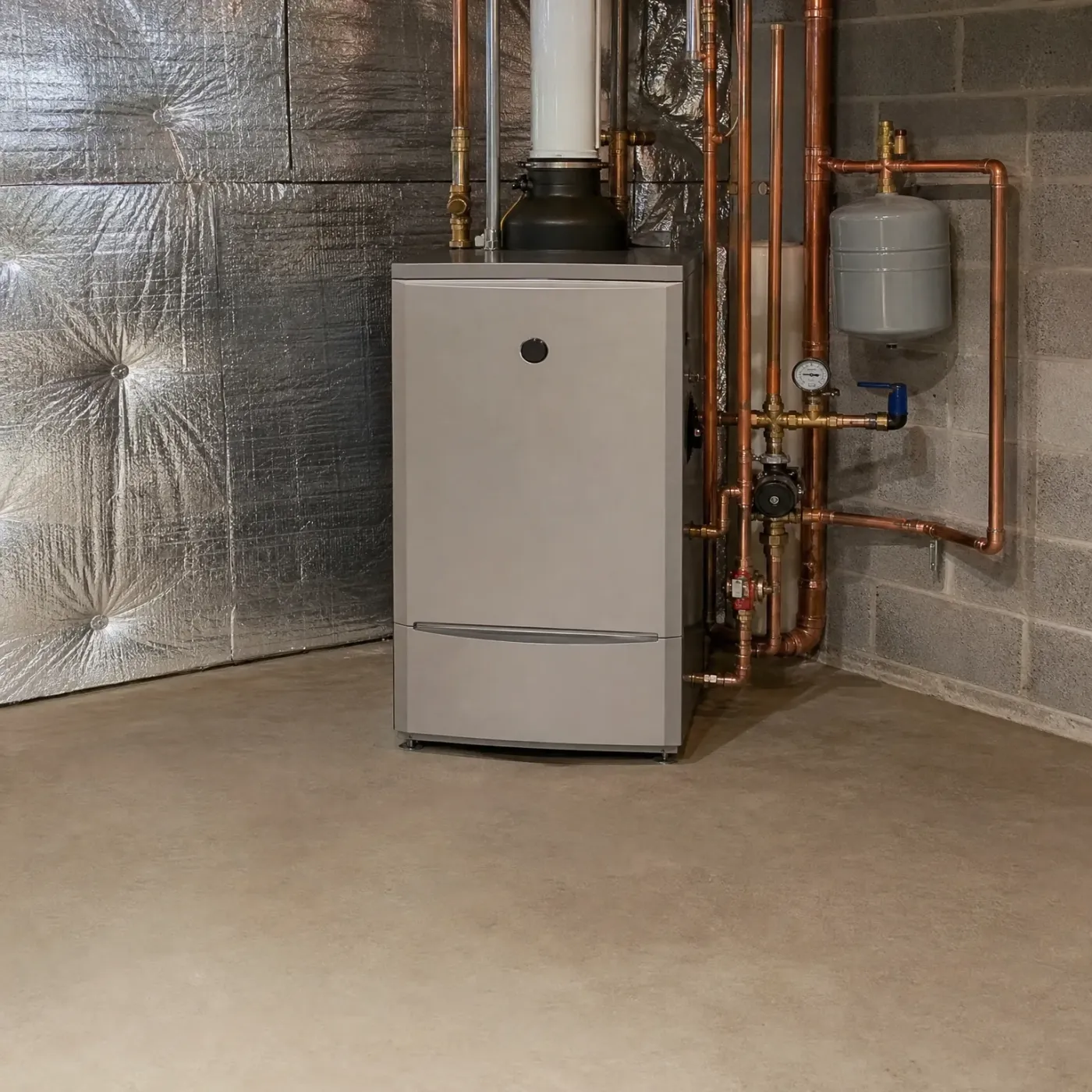
This is what a working boiler looks like underneath the house. The pilot holds a steady blue flame, the gauge reads where it should, and the copper piping stays quiet. No smell of gas, no soot ring around the burner.
A boiler that won't fire up because the pilot light is out usually comes down to a handful of causes, and most homes around Dallas with a gas boiler run into one of them. Before anything else, it helps to know why the flame quit, since that points to whether this is something minor or a sign a part needs attention.
A pilot light goes out because something either smothers the flame or the safety switch that watches it shuts the gas off. A draft from a vent or a nearby door can snuff it directly. More often the thermocouple, the small sensor that sits in the flame and tells the gas valve the pilot is lit, has worn out or drifted out of position, so the valve cuts gas even though nothing is wrong. A pilot orifice clogged with dust or soot can also starve the flame until it dies on its own. Relighting it yourself will work for a night, but if it keeps going out, something is failing rather than just acting up, and that part needs to be looked at before the boiler is needed for good.
A draft from a vent, a door, or a gap near the flue can snuff the flame, especially if the boiler sits in a garage or closet where air moves through. A dirty pilot tube or a buildup of soot around the orifice can also starve the flame until it goes out on its own. Neither one means the boiler is failing, but both will keep happening until someone clears the real cause.
The thermocouple is a small sensor that sits in the pilot flame and tells the gas valve it's safe to keep gas flowing. If that sensor has worn out or sits slightly out of position, it reads the flame as out even when it's lit, and the valve shuts the gas off within seconds. This is one of the most common reasons a pilot won't hold, and it's a part a licensed technician can test directly.

With most homes around Dallas heating with electricity, a gas boiler is already less common, and when its pilot won't stay lit, you lose the one system in the house built to carry you through the cold snaps. Winters here are mild, but the nights that do turn cold are exactly when you need the boiler working, not when you want to be relighting a pilot that won't hold a flame.
A pilot that keeps going out is also a sign something upstream needs a look, not just a relight. If the flame won't hold after you've tried it more than once, that's a job for someone who works on boilers like yours regularly and knows what tends to fail on these systems locally. A licensed contractor in the Dallas area who takes the call can look at the thermocouple, the gas valve, and the draft around the unit, and you'll be working with one contractor on your situation rather than fielding calls from several.

This is what a working boiler looks like underneath the house. The pilot holds a steady blue flame, the gauge reads where it should, and the copper piping stays quiet. No smell of gas, no soot ring around the burner.
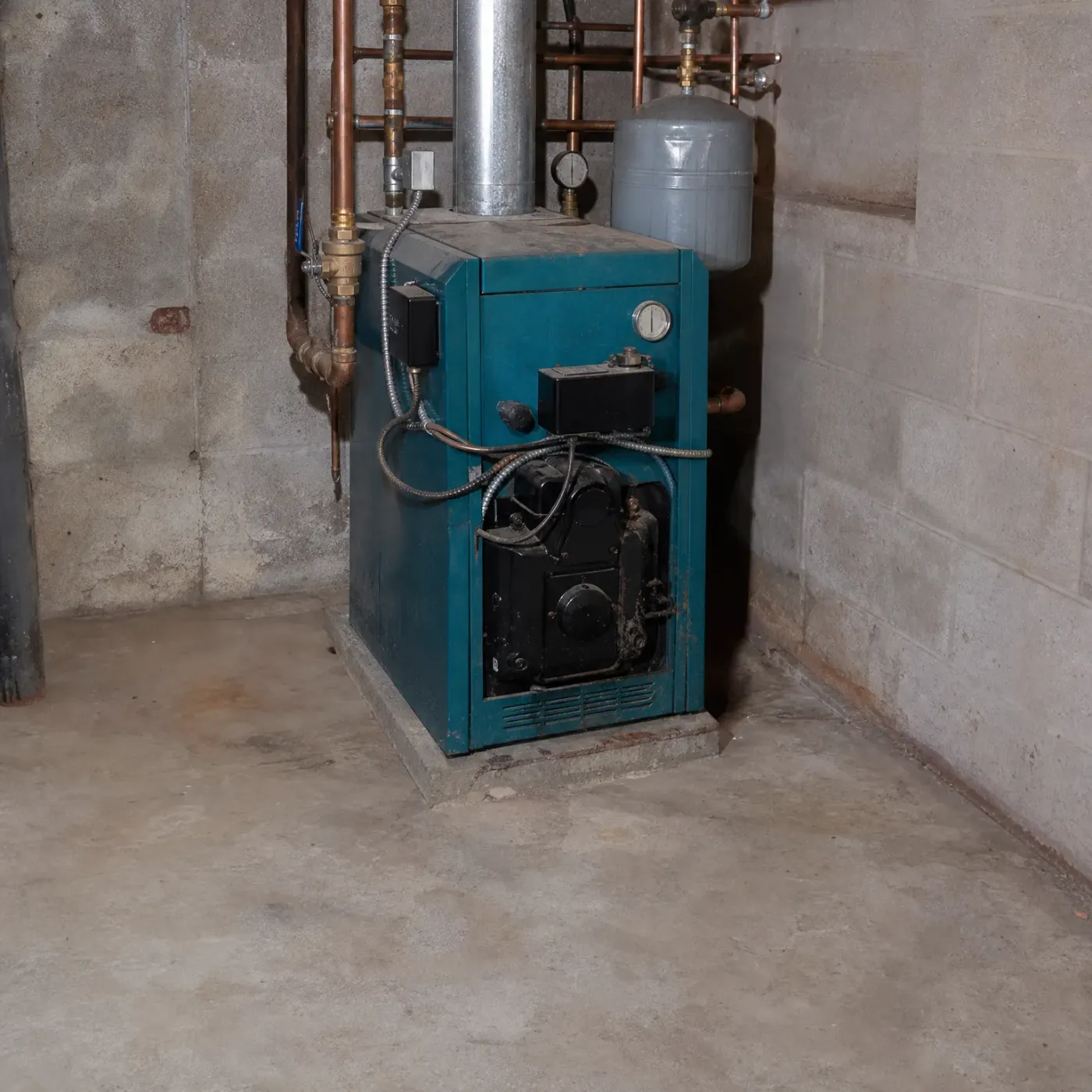
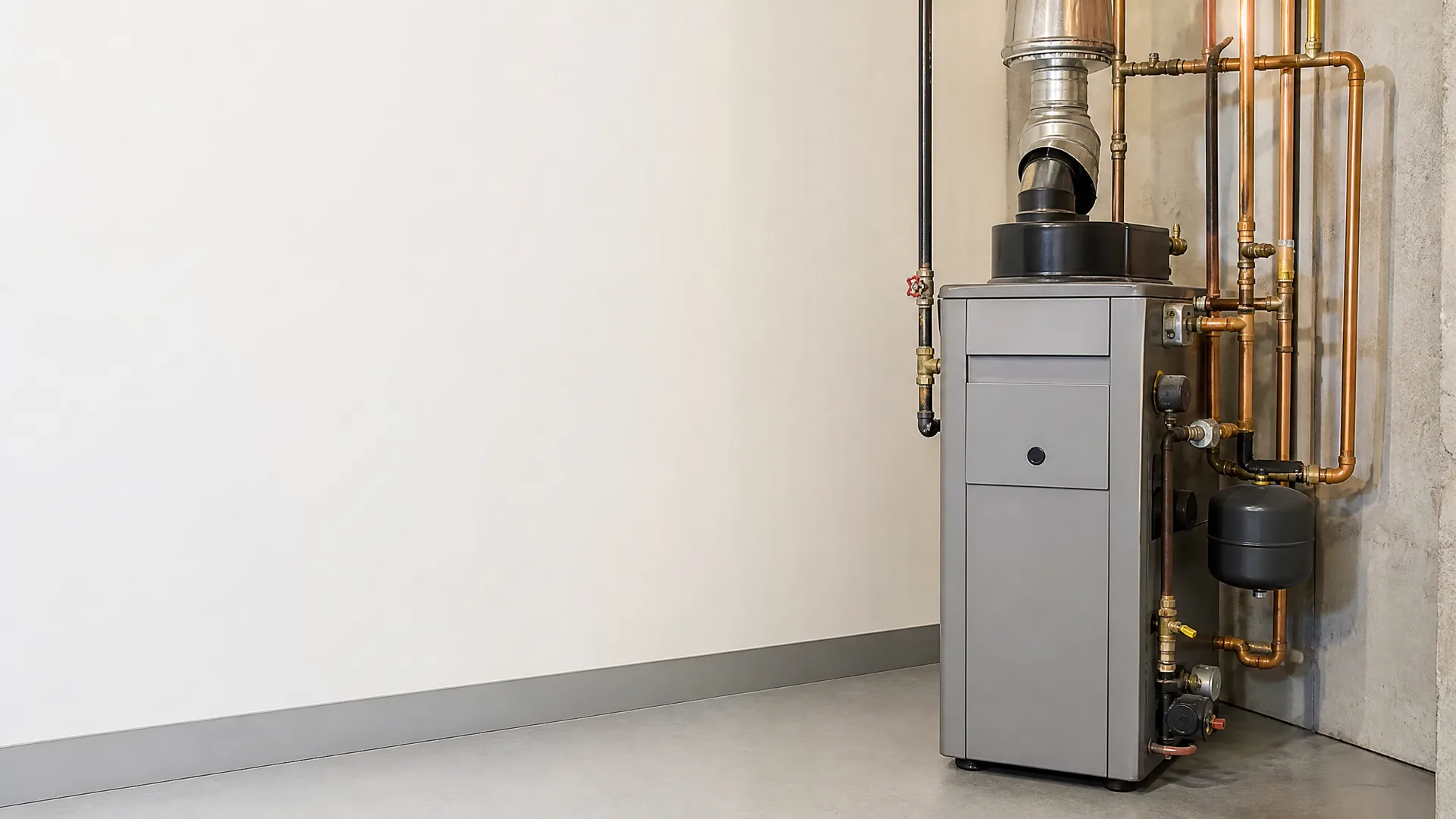
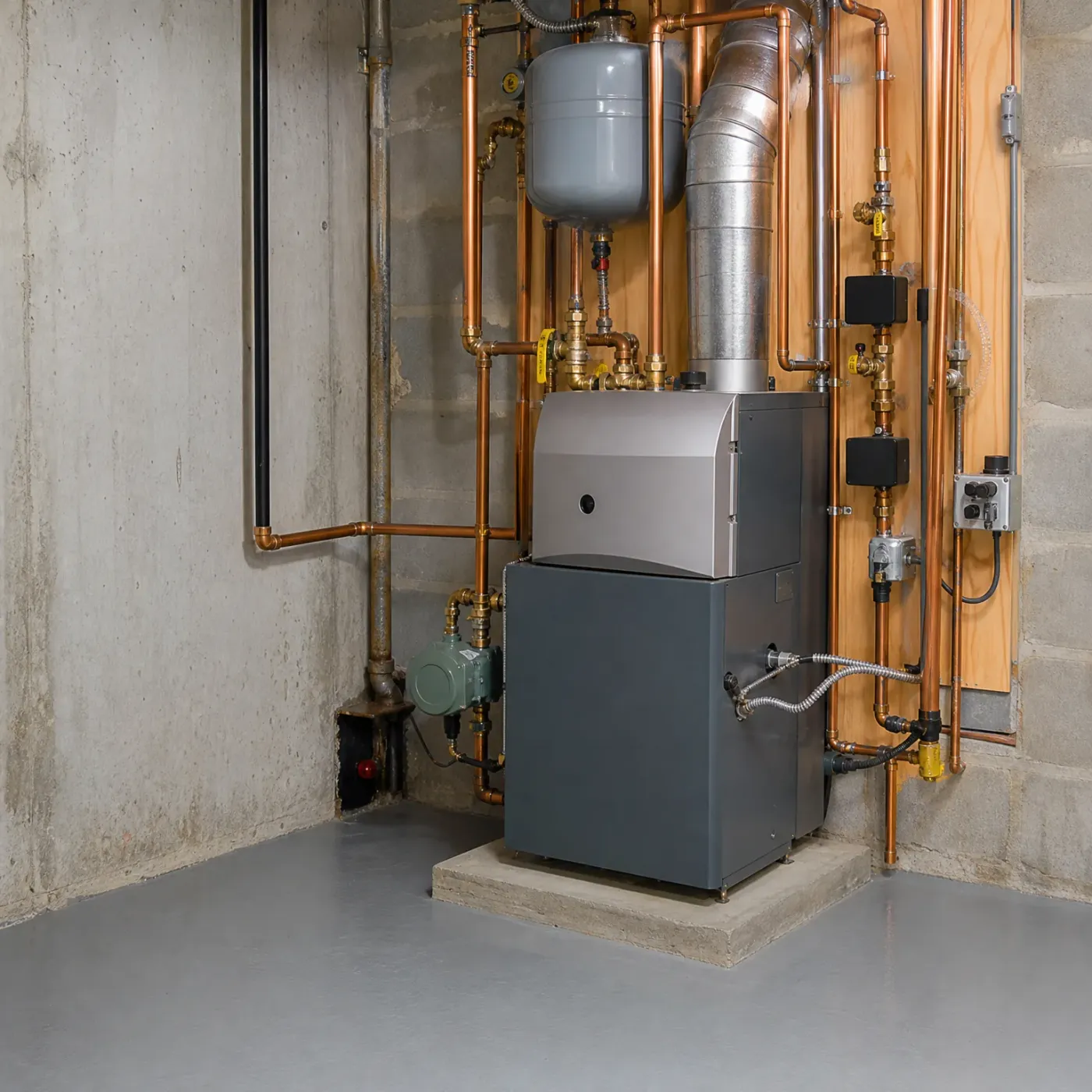
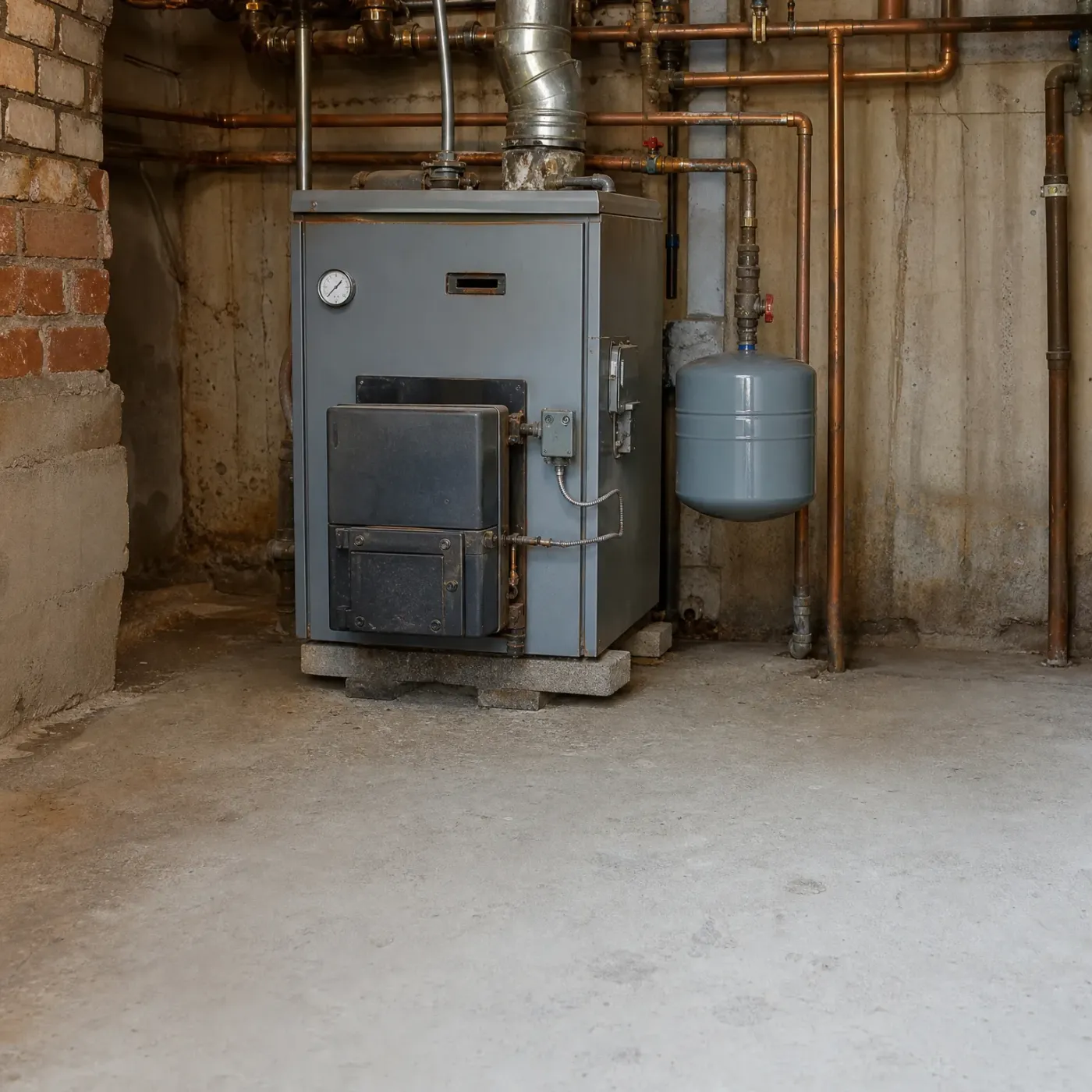
An older boiler like this one can lose its pilot and sit cold for days before anyone notices, especially if it's tucked in a basement corner that doesn't get checked often. A gray expansion tank losing pressure or a sooty orifice can keep the flame from relighting on its own.




Your request goes to one pro, not a list of companies.
You're not committing to anything by asking.
The pilot isn't just a small flame for looks. It's wired into a safety switch, and that switch is the thermocouple sitting right in the flame. As long as the flame touches it, it stays hot enough to generate a weak electric current, and that current is what holds the gas valve open. Cut the flame and the current drops within seconds, and the valve closes on its own. This is why a pilot that won't stay lit isn't really a flame problem, it's a wiring-in-miniature problem. The rod has to sit exactly in the flame, has to be clean enough to heat evenly, and has to generate enough current to satisfy the valve. Soot on the tip, a rod bent even slightly out of position, or corrosion built up over years of service will all keep it from doing that job, even if the pilot lights fine when you hold the button down. That's why relighting it over and over doesn't fix anything. The valve shuts off because the thermocouple told it to, and until that part is cleaned, repositioned, or replaced, it'll tell it the same thing again. Some older boilers around Dallas use a flame sensor rod instead of a thermocouple. It works on a different measurement, reading a small current through the flame itself rather than heat, but the logic is the same: no flame signal, no gas.
Winter nights average 38°F
Overnight lows average 38°F through December, January and February, cold enough that a house with no heat for a night or two gets uncomfortable fast.
Heat runs November through March
With heat running November through March, a dead pilot in the middle of that stretch leaves you without backup for months, not days.
61.8% of homes heat with electricity
Most homes nearby heat with electricity, so a gas boiler already stands apart. When its pilot goes out, there isn't a second gas system to lean on.
NOAA nClimDiv 1991-2020 · ACS 2020-2024
Relight it yourself and it holds. That usually means a draft or a one-time flameout, nothing wrong with the parts. A quick relight is worth trying before anything else.
Relight it and it goes out again within minutes or hours. That points to a weak thermocouple or a dirty pilot orifice, something a contractor needs to look at and fix.
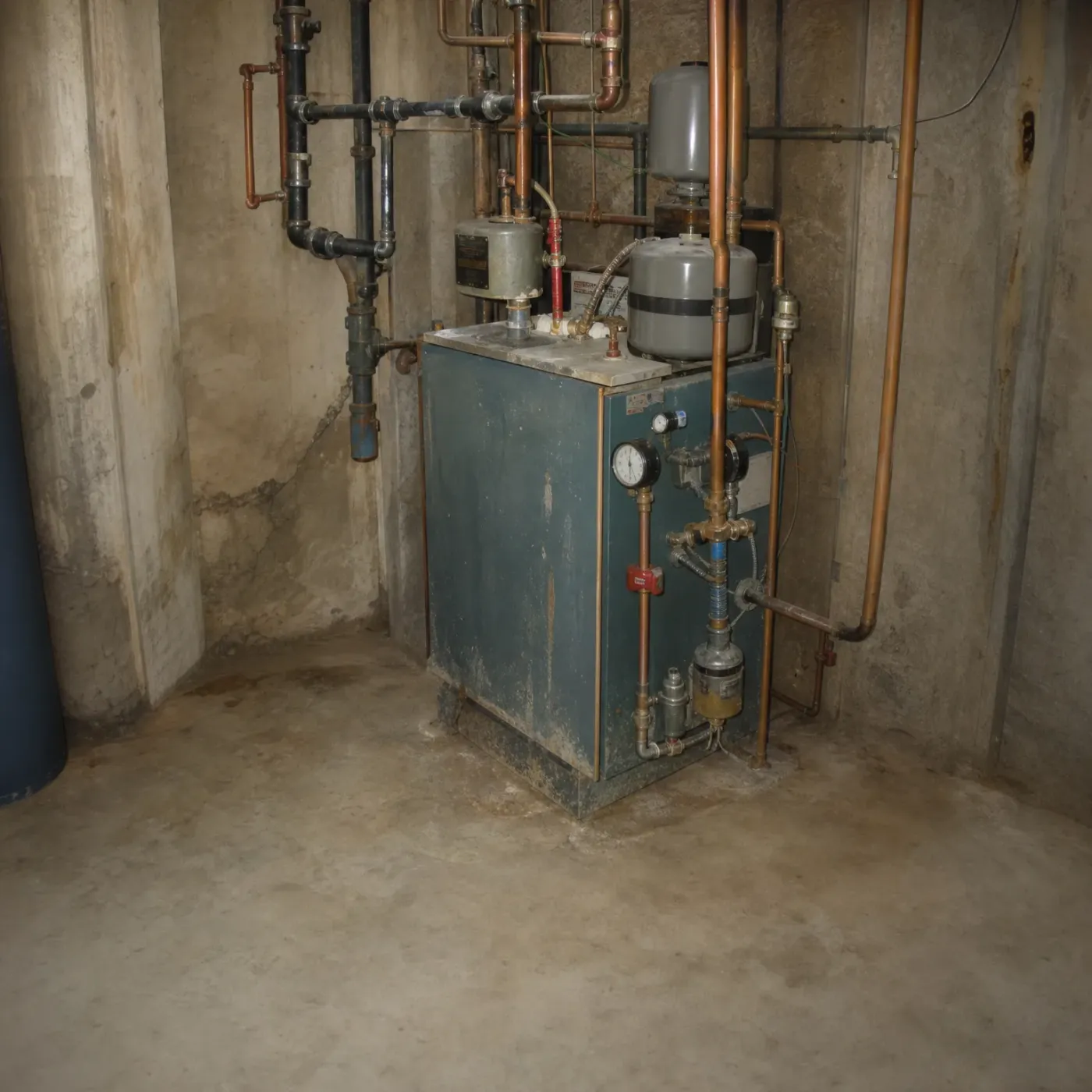
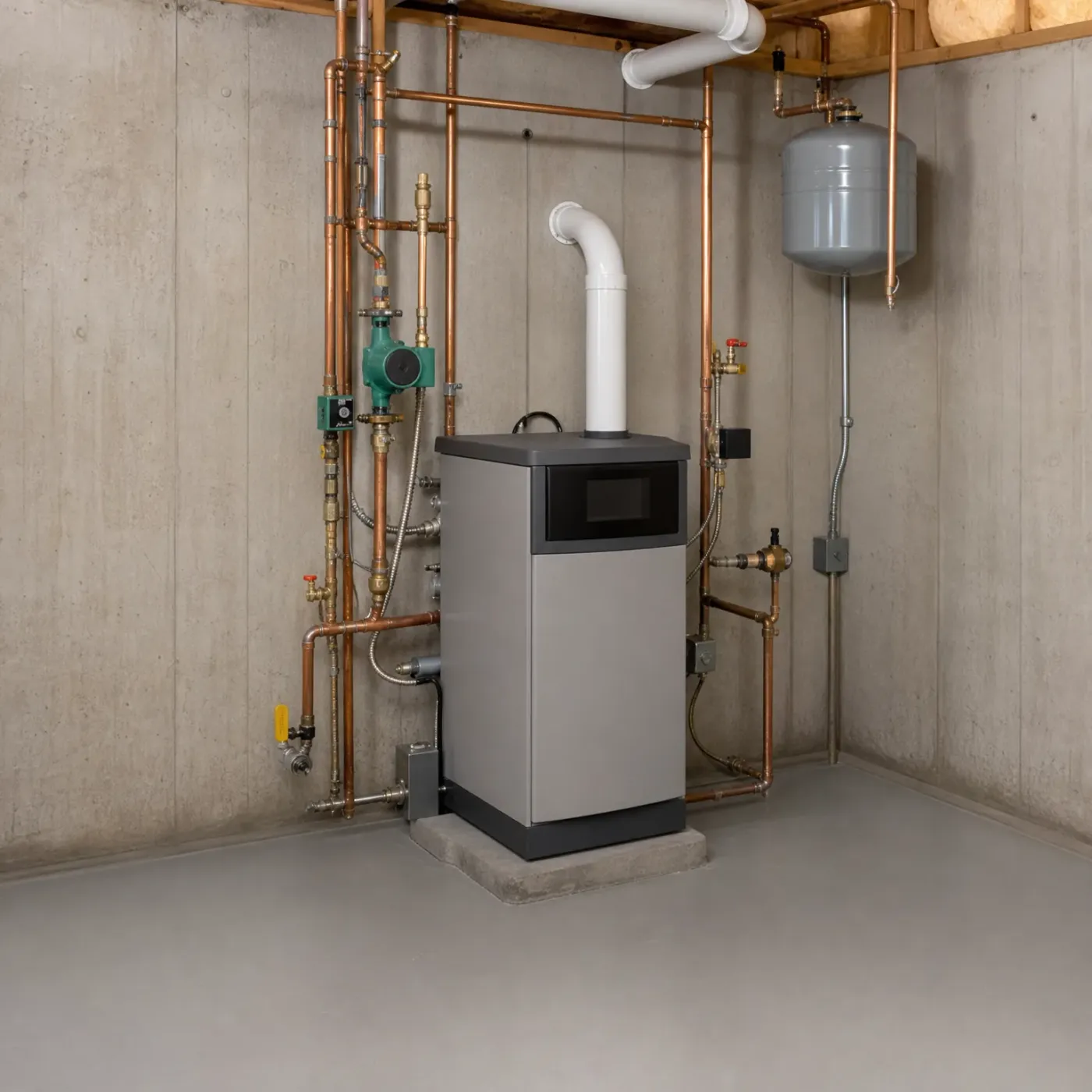
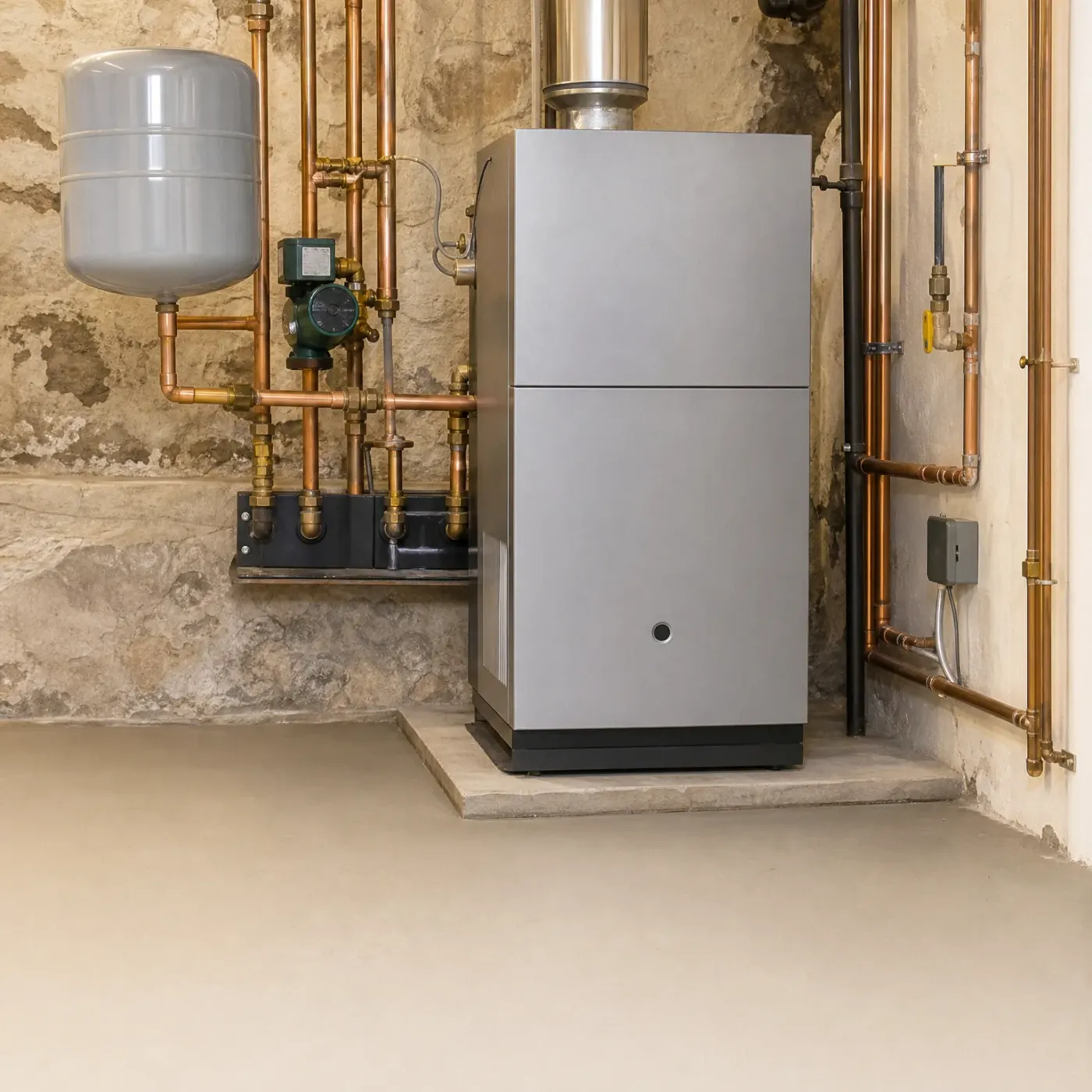
A boiler like this holds pressure, keeps its pilot lit, and sends heat through the copper piping without anyone noticing it's there. The expansion tank stays quiet, the flue draws clean, and the gauge sits steady wherever it's supposed to.
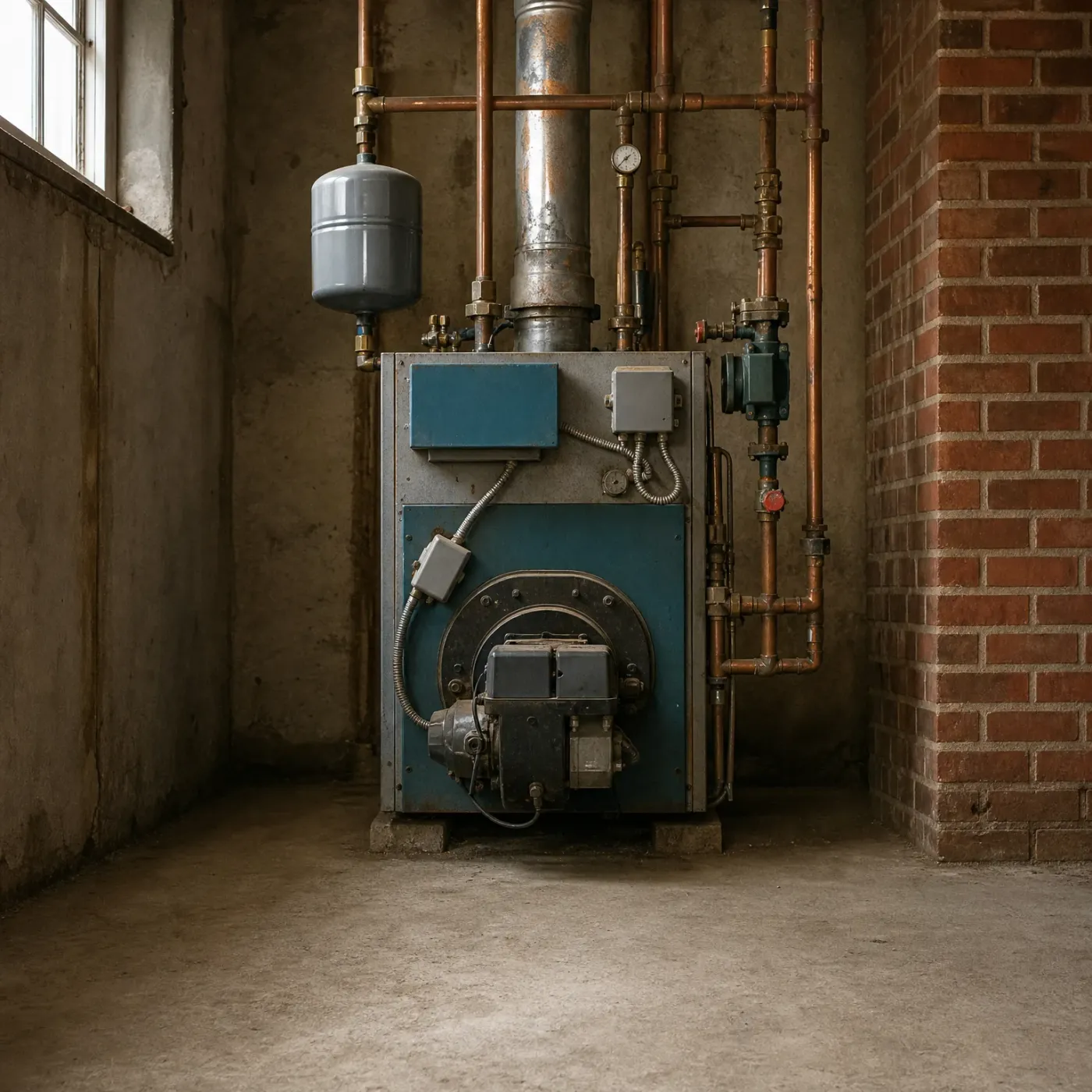
An older unit like this is more likely to give you trouble, especially around the pilot assembly. A weak thermocouple, a sooty orifice, or a draft finding its way to the flame can leave the pilot out and the house with no heat until someone sorts out which one it was.


38°F is a cold house to wake up to, not a dangerous one, but it's enough that a boiler sitting dark overnight will make itself known. Once the pilot's out, that's the number working against you until someone gets it relit.
NOAA nClimDiv 1991-2020
A pilot that keeps going out is either a draft problem or a worn part, and relighting it once will tell you which. If it holds, you're done. If it doesn't, the thermocouple or the gas valve needs a look from someone who can test them rather than guess. A boiler technician working around Dallas sees this same failure on gas boilers every winter and knows which part tends to go first on a system like yours. Getting matched means one licensed local contractor takes on your repair, not several companies competing for the callback, so you're dealing with one person who shows up knowing what they're walking into. Until it's relit and holding steady, that's the gap in your heat, and with lows near 38°F through the winter months, it's worth closing sooner than later.

It costs nothing to send, and you don't have to hire anyone.
A gas boiler is already the less common way to heat a home around Dallas, which means fewer contractors work on them regularly. Getting matched with someone who services this equipment every winter, rather than one who sees a boiler once a year, is worth more than a fast appointment with the wrong fit.