
Boiler pilot light keeps going out in Texas
Why does my boiler's pilot light keep going out?
Most homes in Texas heat with electricity, but if you've got a boiler, you're used to that pilot light staying lit through winter without much thought. When it keeps blowing out, you have to relight it over and over, and the boiler won't run without it. It's a small thing that becomes a real problem on a cold night when you just want the heat to stay on.
Usually a dirty or failing thermocouple, or a draft reaching the pilot
The thermocouple is the small sensor that sits in the pilot flame and tells the gas valve the flame is lit. When it gets coated with soot or wears out, it reads the flame as out even when it's burning, and the valve shuts the gas off. A draft from a vent or a loose panel can also snuff the flame itself. Either way, the boiler is protecting you by cutting the gas rather than letting it flow unlit. Since boilers here don't get the daily workout a furnace does in colder states, a failing thermocouple can go unnoticed for a while before it starts causing trouble like this.
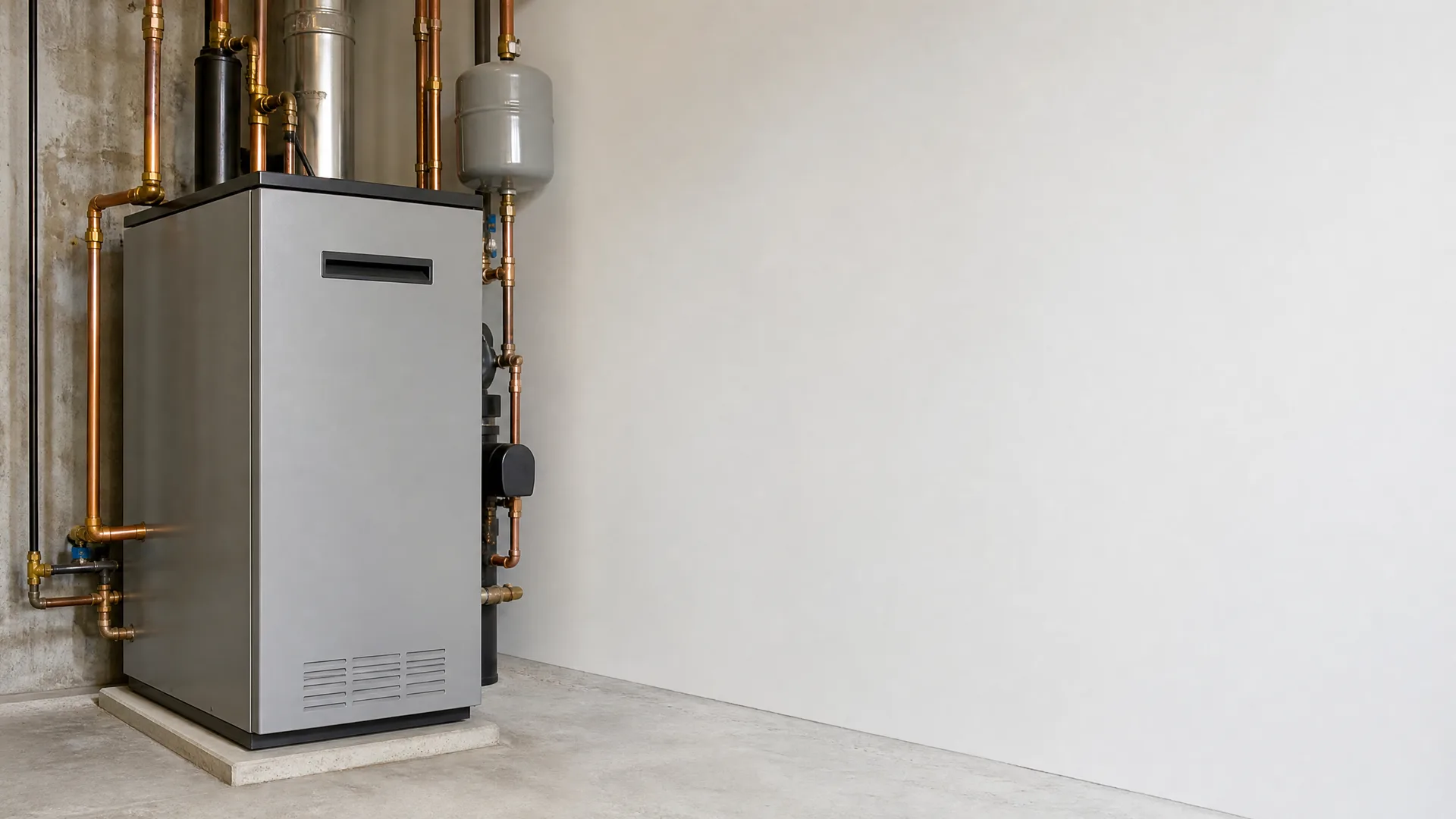
A Weak Thermocouple Or Flame Sensor
The thermocouple sits in the pilot flame and tells the gas valve the flame is lit. When it wears out or sits slightly out of position, it reads the flame as out even when it isn't, and the valve shuts the gas off. This is one of the most common reasons a pilot won't stay lit, and it's a part replacement, not something a thermocouple can be adjusted back into working order.
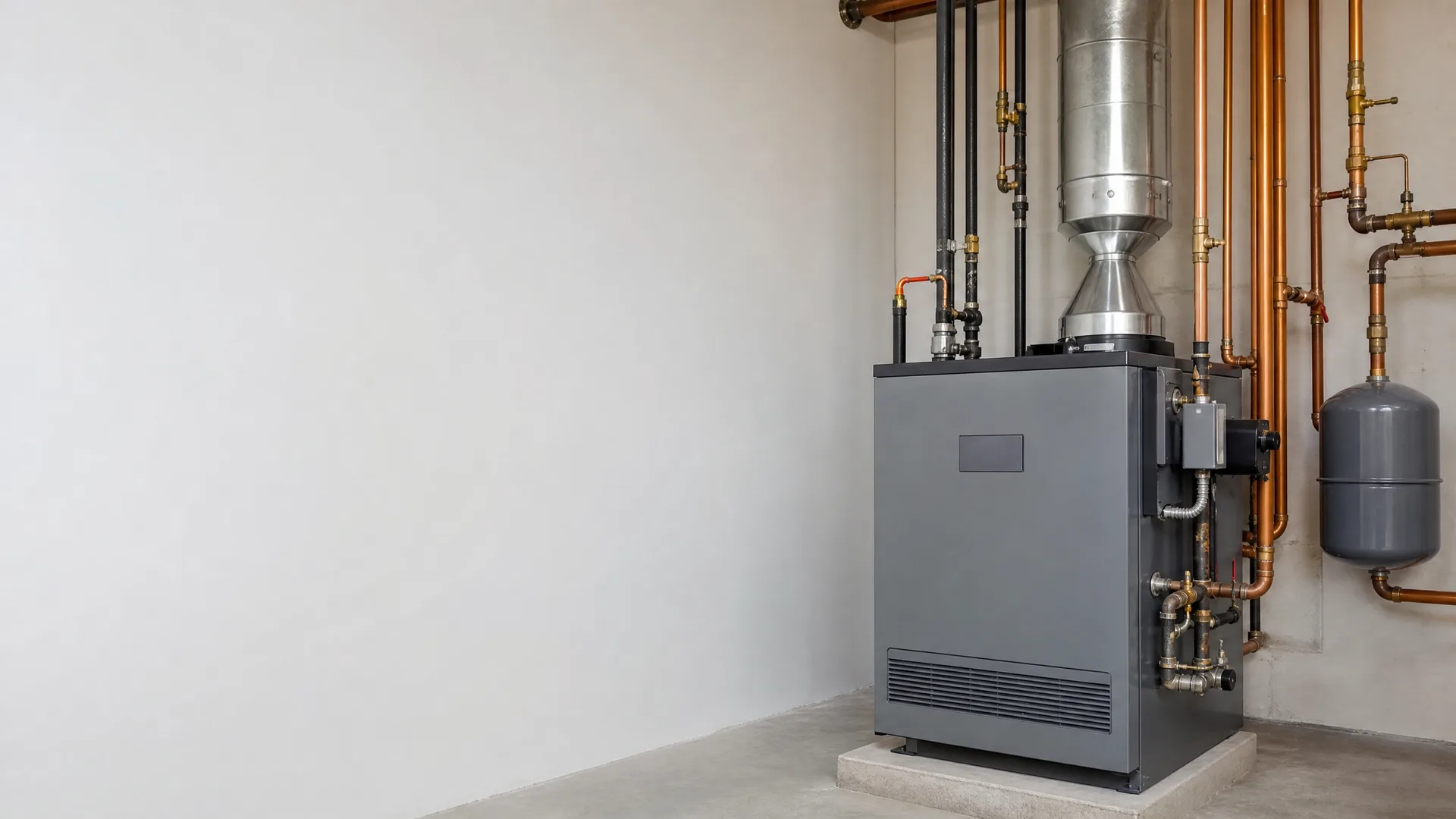
Drafts Reach The Pilot Assembly
A boiler's pilot sits behind a small opening built to shield the flame, but if that opening is blocked, cracked, or the assembly has shifted, drafts from a vent or a door can reach it. You might notice it goes out more on windier days or after the furnace closet door gets left open. A contractor checking the pilot assembly will look at whether the flame is sitting where it should and whether anything around it has changed.
Why does my pilot keep going out on me
You turn the knob, hold it, light the pilot, and it catches fine. A few hours later it's out again, or you walk by and smell gas for a second before it clears. Maybe you've relit it three or four times this week already. You might notice the flame looks weak or yellow instead of a steady blue, or it takes longer to catch than it used to. Left alone, a boiler that won't hold a pilot just stops heating water when you need it, and a flame that isn't burning clean is worth getting looked at rather than relighting again and again.
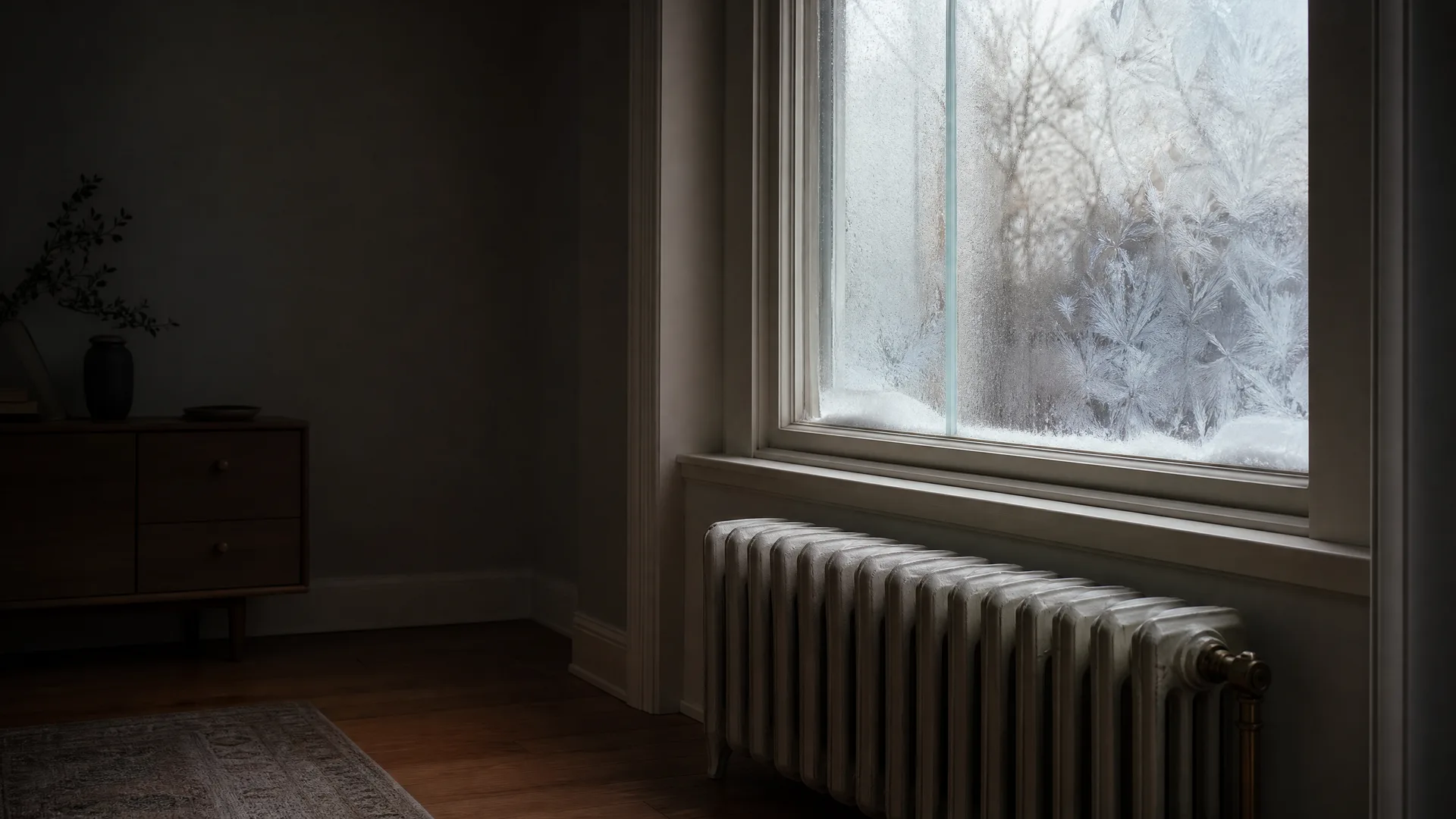
Outside it's barely cold enough for a jacket, the kind of January morning Texas gets instead of real winter. But the ice is on the inside of your living room window, a thin frost pattern across the glass, and the radiator under it is stone cold. You crouch down and check the pilot. Out again. Third time this week. You think back to the last two times you called someone, the hold music, the guy who came out and said it wasn't his specialty, the second call to explain the whole thing over again. You strike the match anyway, hold the knob down, and wait to see if it catches.
Skip the calls to every shop

The pro who reaches out is licensed in Texas.
No fee to send it, and nothing to sign.
What's Actually Happening at the Pilot
- A draft pulling across the burner can bend or thin the pilot flame enough for the thermocouple to read it as out.
- Gas valves hold a small amount of pressure in reserve, so a weak regulator can starve the pilot without affecting the main burner at all.
- Dust or spiderwebs inside the pilot tube narrow the opening and choke the flame down until it can't hold the thermocouple's reading.
- The thermocouple tip has to sit directly in the flame, not beside it, or the gas valve shuts off even with a steady pilot.
- A cracked or corroded thermocouple can work part of the time and fail once it heats up, which is why relighting it seems to fix it for a few hours.
- Orifice size matters here, and a pilot orifice that's partly clogged burns smaller and cooler than the flame the thermocouple was set to detect.
A pilot light doesn't just burn. It has to burn in a specific spot, at a specific size, for the thermocouple to read it as lit. That part is a thin metal rod sitting in the flame, and it generates a tiny electrical signal that tells the gas valve to keep the gas flowing. No signal, no gas, even if there's nothing else wrong with the boiler.
Anything that moves the flame off that rod, or shrinks it down, breaks the signal. A draft through a flue or a gap in the cabinet can bend the flame sideways. Dust or a spiderweb built up inside the pilot tube narrows the opening, and the flame that comes out is smaller and cooler than it should be. The orifice itself can partly clog the same way. In every one of these cases the gas is still there and the pilot may still be burning, just not in a way the thermocouple can confirm.
Then there's the thermocouple itself. These wear out, and a worn one can hold steady for a while and fail once it's fully heated, which is why relighting it seems to work for an evening and then it's out again by morning. A weak gas pressure regulator causes a similar pattern, starving the pilot specifically while leaving the main burner flame untouched. Different causes, same symptom: the light goes out, and relighting it only buys you a few hours.
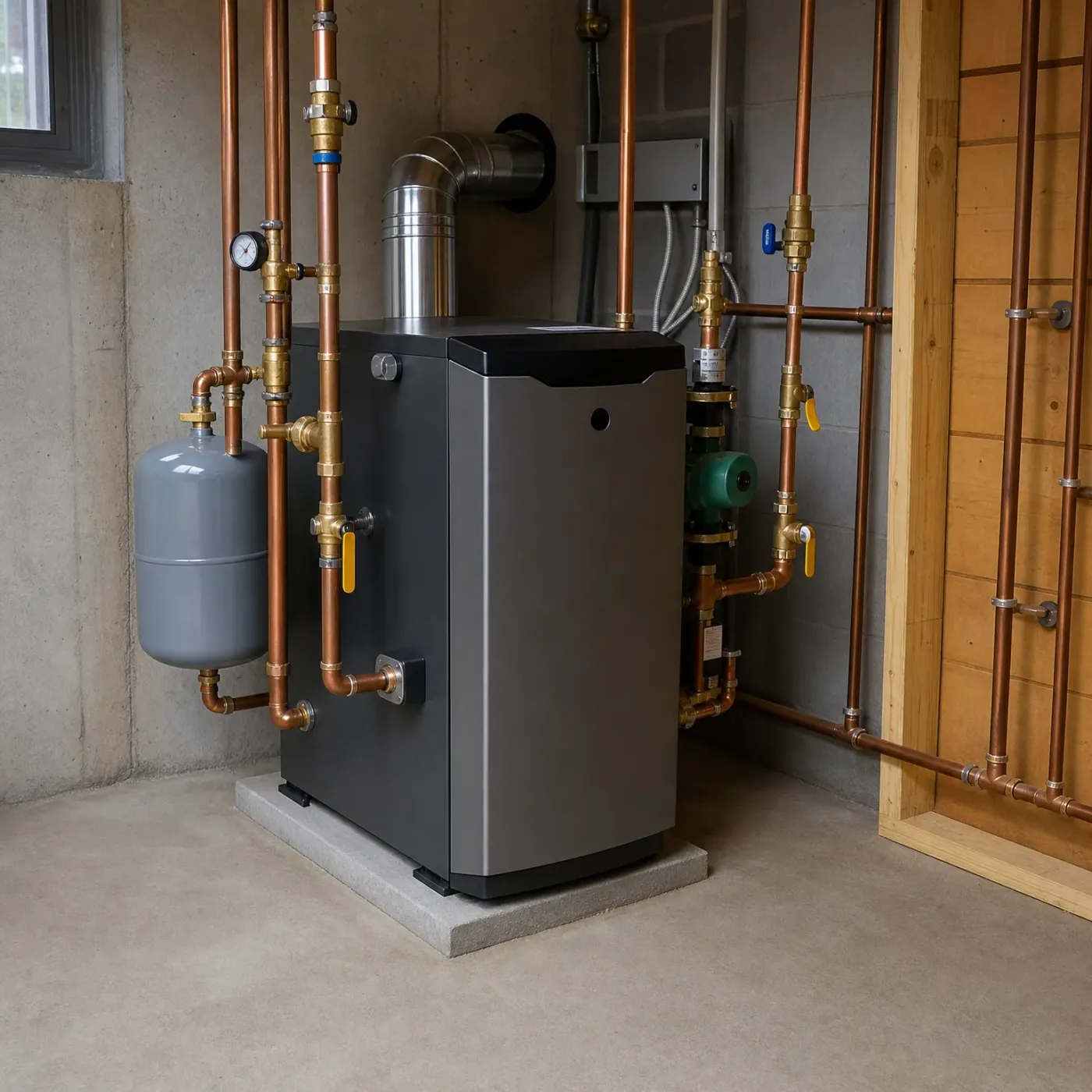
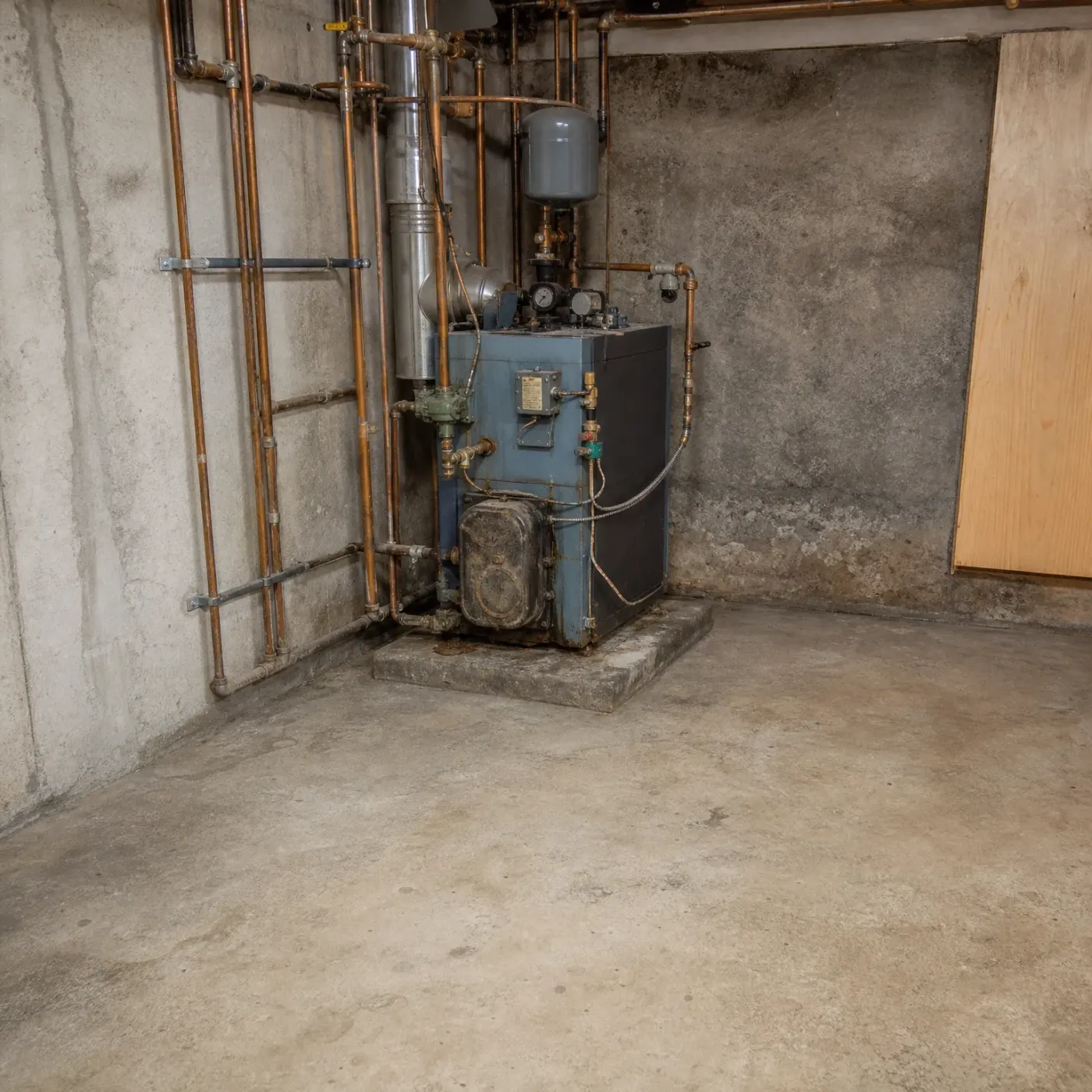




Winter nights average 41°F statewide
Nights here average 41°F in December, January and February, so your boiler isn't fighting hard cold most winters. It still has to hold a pilot flame steady for months at a time, and a weak thermocouple or a draft near the burner can let it blow out even on a mild night.
NOAA nClimDiv 1991-2020 county normals weighted by homes
A pilot that won't stay lit comes down to one part failing in that chain: the thermocouple, the regulator, the venting, or a draft reaching the burner. Finding which one takes someone who works on boilers all season, not just in a cold snap, and knows which of those parts tends to go first. A licensed contractor local to you can look at the pilot assembly directly, see where the flame is thinning or where the draft is pulling, and fix that part rather than relight it again. You won't be sorting through a handful of companies calling you back at once. One contractor, qualified for this equipment, takes it from here. Your boiler isn't built to need constant relighting, and it doesn't have to keep going this way through the rest of winter.
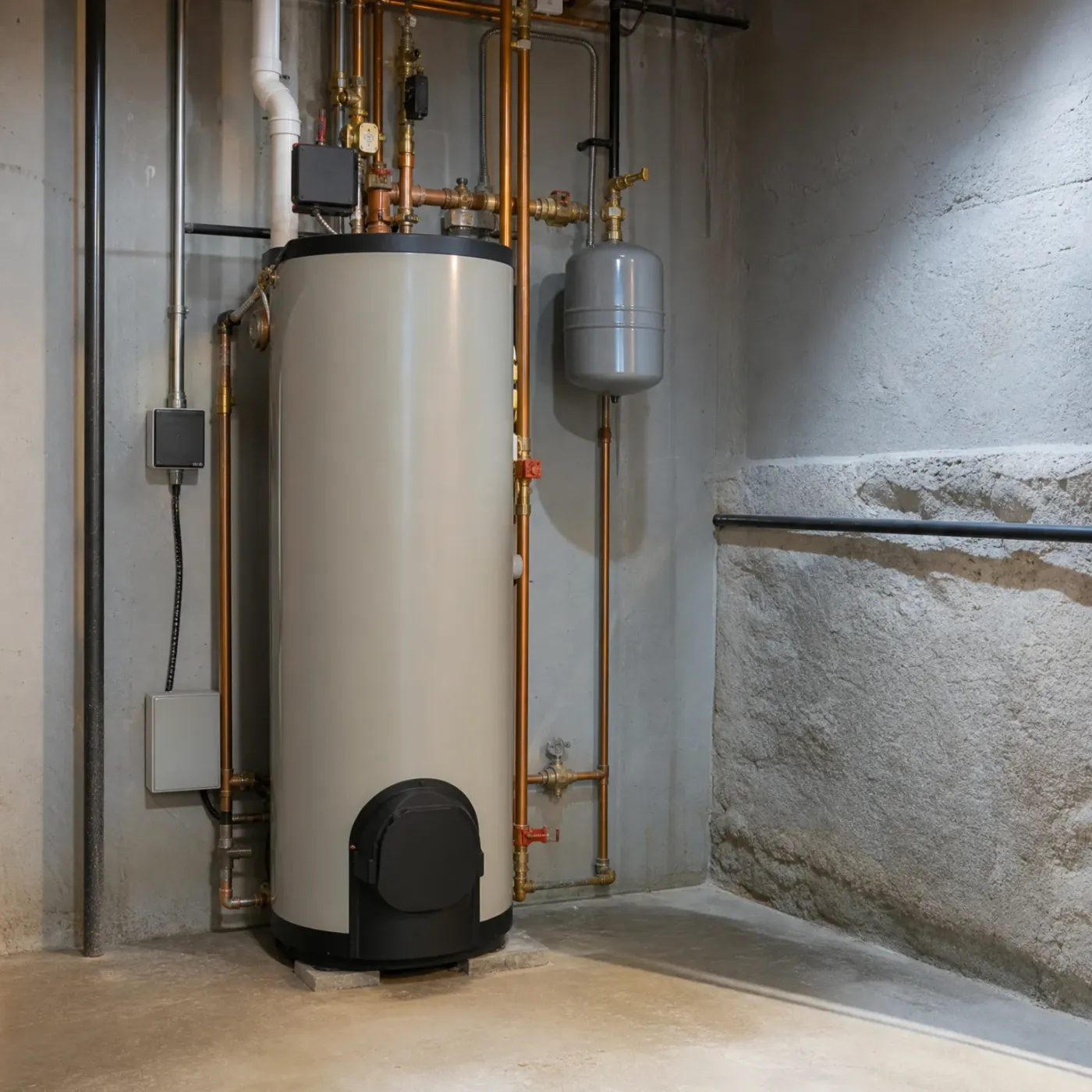
Skip calling around
Only one pro gets your request, so you hear from one company.
Sending the form costs nothing.