Boiler not heating in Sugar Land, TX

Describe what your boiler is doing once, in one form.

Skip the calls

Why is my boiler not heating in Sugar Land?

Your boiler is running, or trying to, but the house isn't getting warm. On a mild Sugar Land winter night that's enough to notice right away, especially if you've got people home who feel it. You want to know whether this is something simple or whether the boiler is on its way out.

Most likely a failed igniter, a tripped limit switch, or low water pressure in the system

A boiler that runs but doesn't heat usually comes down to one of a few parts. The igniter can fail and stop the burner from lighting at all. A limit switch can trip and shut the burner down as a safety measure, even though the pump keeps circulating water. Low pressure in the system can also keep the burner from firing, since most boilers won't run without enough water in the loop. Winters in Sugar Land are mild, so a boiler here doesn't run as many hours a year as one up north, which means a part can sit unused for months and fail quietly without anyone noticing until the first cold snap calls on it.

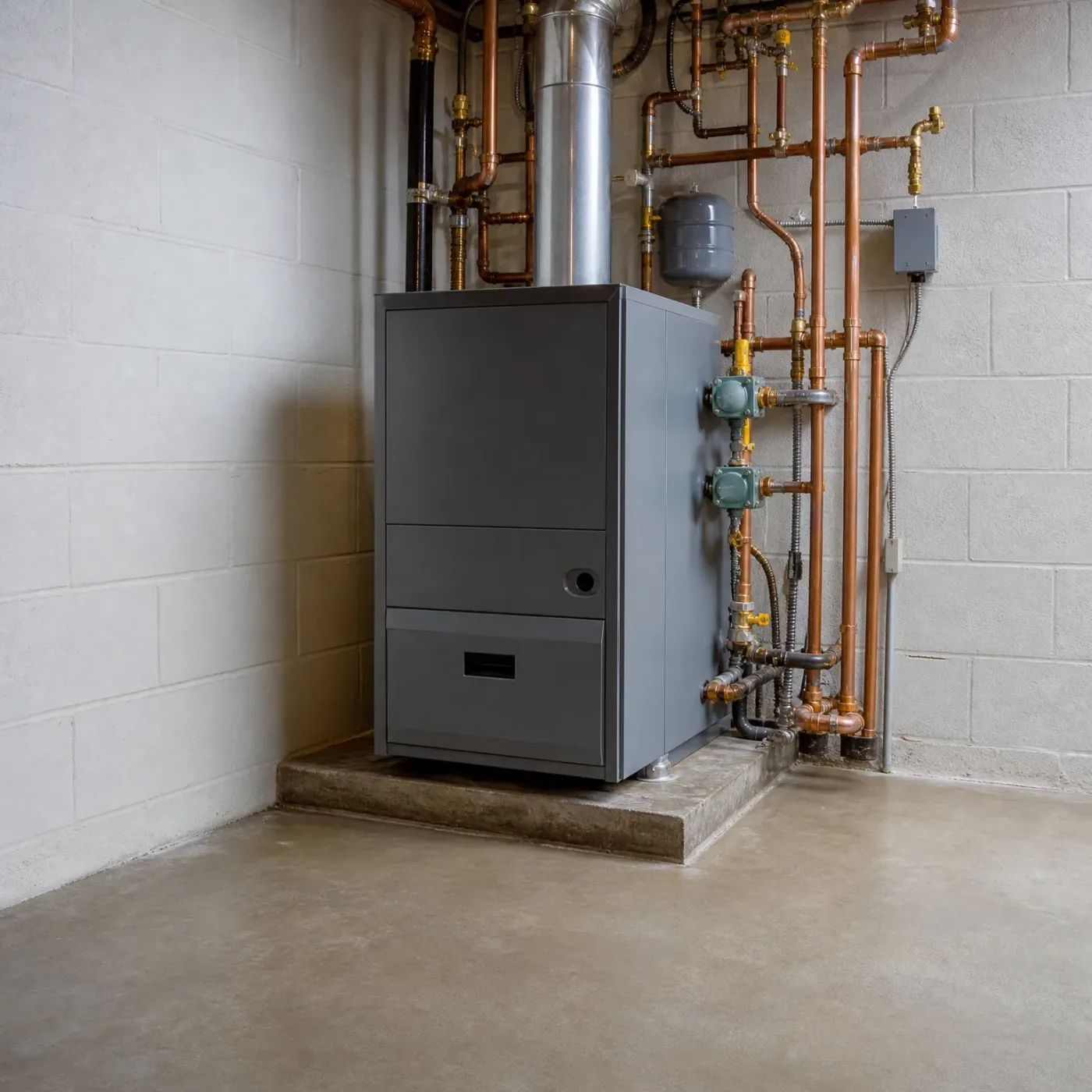
A gray boiler unit on a concrete pad in a basement corner, connected to copper piping, valves and a metal flue against painted concrete block walls.

When it's working right

A boiler that's running correctly cycles quietly, holds steady pressure, and sends heat through the pipes without you thinking about it. The pressure gauge sits where it should, the pilot or igniter lights every time, and every room gets warm.

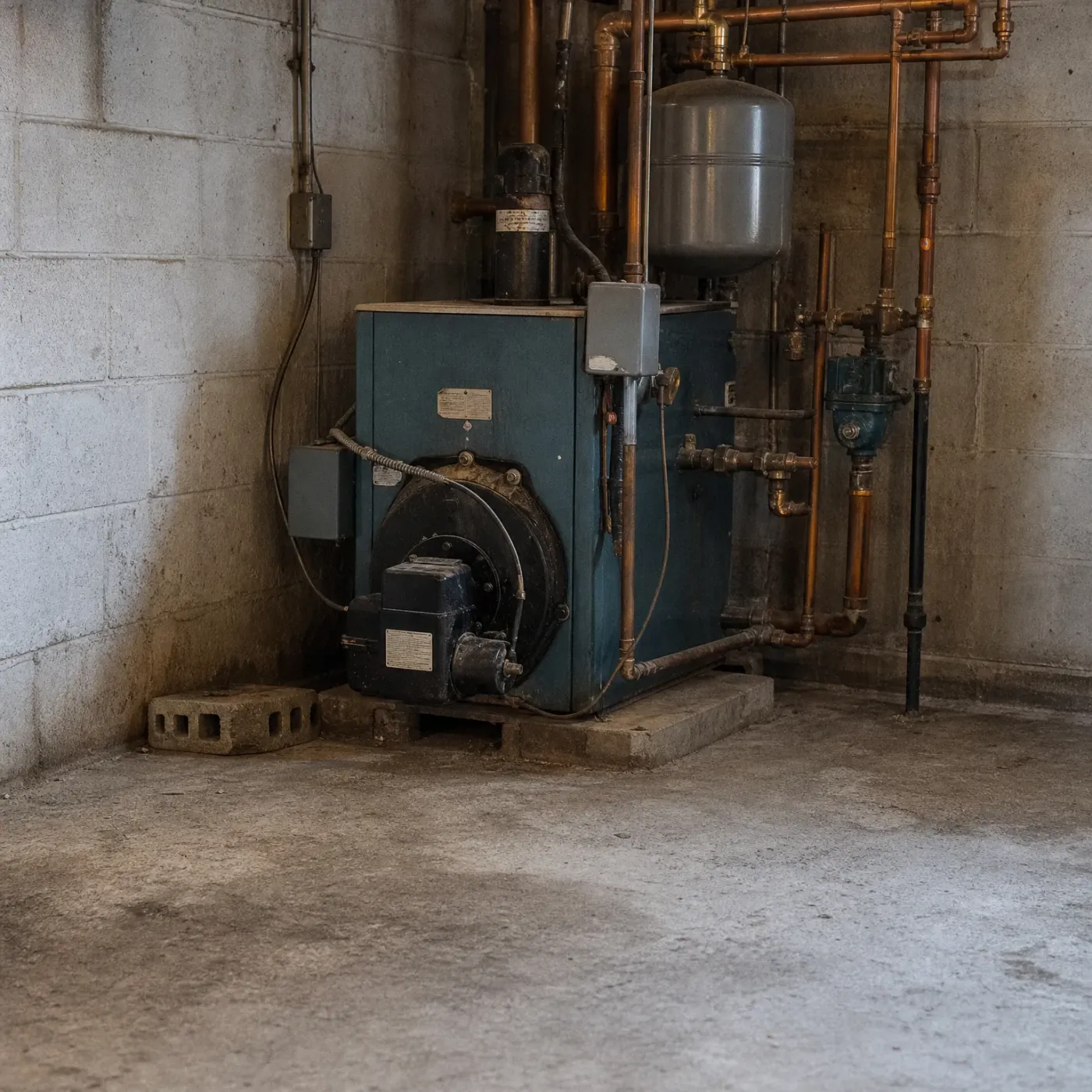
A blue oil-fired boiler with a burner unit sits on a concrete pad in a basement corner, with copper piping, valves and a gray expansion tank overhead against concrete block walls.

When something's gone wrong

An old boiler like this one shows its age before it fails outright. Rust at the fittings, a pressure gauge sitting low, a pilot that won't stay lit. Any one of these is worth a call before the whole house goes cold.

How much heat does a boiler really need to put out here?

  • Winter nights average 46°F

    Overnight lows average 46°F in December, January and February, so your boiler isn't fighting deep cold, just enough to keep a house comfortable.

  • Heat runs November through February

    Heat runs about four months a year here, November through February, so a boiler that's struggling now has months of idle time ahead to be fixed right.

  • 57.7% of homes heat with gas

    57.7% of homes in Fort Bend County heat with gas, so a contractor working near Sugar Land is used to gas boilers and what tends to fail in them.

NOAA nClimDiv 1991-2020 · ACS 2020-2024

Why low heat demand still means repair

A boiler built for Fort Bend County winters is sized for mild stretches, not for running hard against deep cold. That matters here because a boiler not heating in a mild winter is almost never overwhelmed by the weather outside. If yours was holding heat fine in past Decembers and January nights near 46 degrees and now isn't, the change is in the unit, not the climate. Something inside has stopped doing its job: a failed igniter, a pump that isn't moving water, pressure that dropped below where the system needs it. The mild load here means a boiler that's struggling has a mechanical reason for it.

What a short heating season hides

Heat runs about four months a year in this area, which means a boiler here sits idle most of the year and gets asked to work hard in short bursts come November. A problem that started months ago, a slow pressure leak, a sticking valve, corrosion building in a line, can sit unnoticed all summer with no heat call to expose it. Then the first cold night arrives and the boiler either won't fire or won't hold heat, and it looks sudden. It usually isn't. A local contractor who services these systems every fall knows which parts tend to fail after months of sitting unused and checks those first.

A woman with long gray wavy hair in a knit sweater sits on a light sofa with a striped pillow, looking toward a window in a room with wooden shelving and a potted plant.
A woman in a gray cowl-neck sweater stands in a living room with built-in shelves, a lamp, a sofa with cushions, and a bright window behind her, looking to her right.
A woman with long wavy brown hair in a dark blue sweater sits on a sofa with cushions, looking off to the side, with a wooden shelving unit, houseplant and bright window behind her.
A woman with long dark hair in a gray knit sweater sits indoors smiling and looking off to the side, with a window, houseplant, framed picture, and shelving blurred behind her.
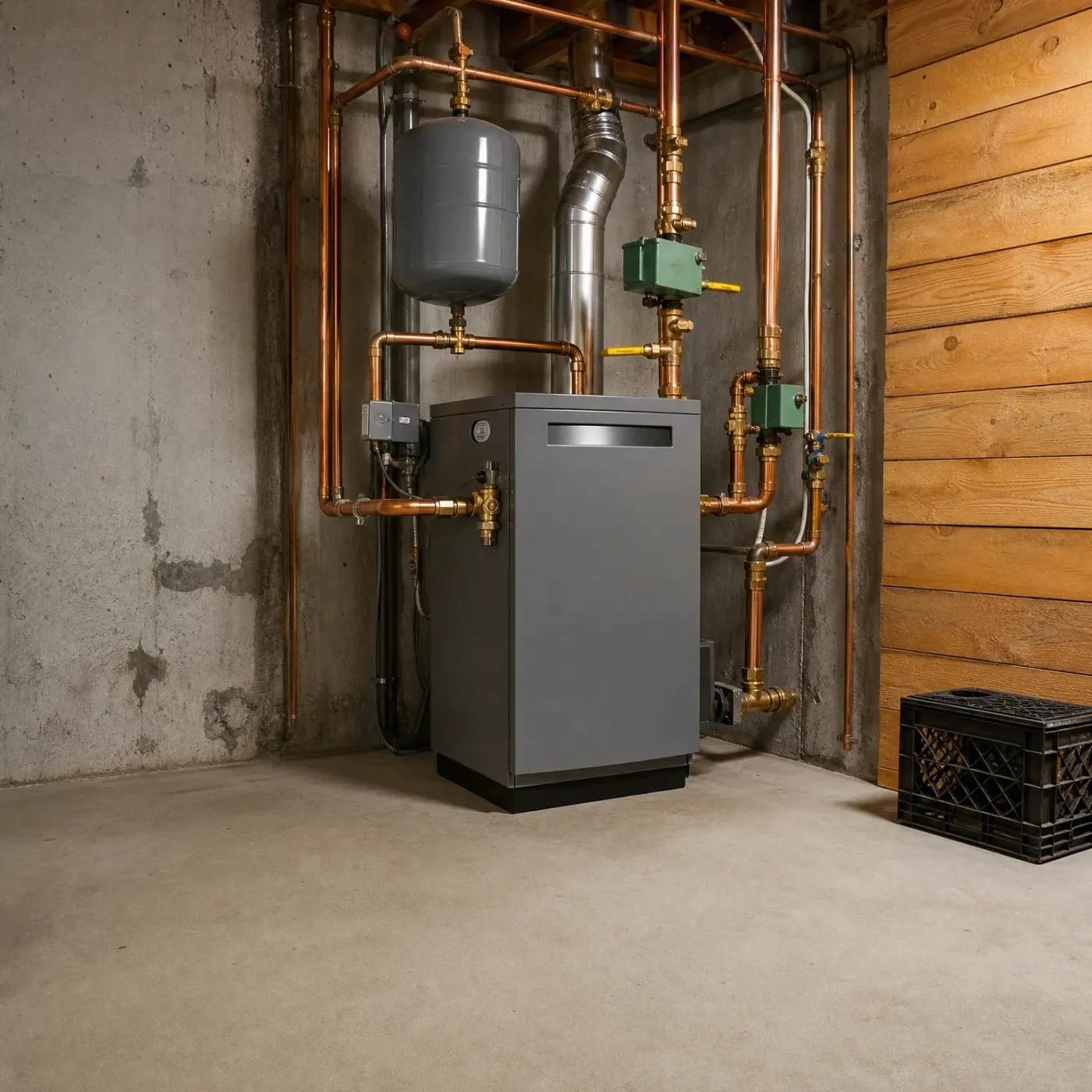
A gray boiler unit in a basement corner with copper piping, brass valves, a gray expansion tank, a metal flue duct, concrete walls and a wood-paneled wall, with a black plastic crate on the floor at right.

Running as it should

This is a boiler doing its job. The pipes carry hot water out to every zone, the expansion tank holds steady pressure, and the zone controls switch each loop on only when that part of the house calls for heat. Nothing here is working harder than it needs to.

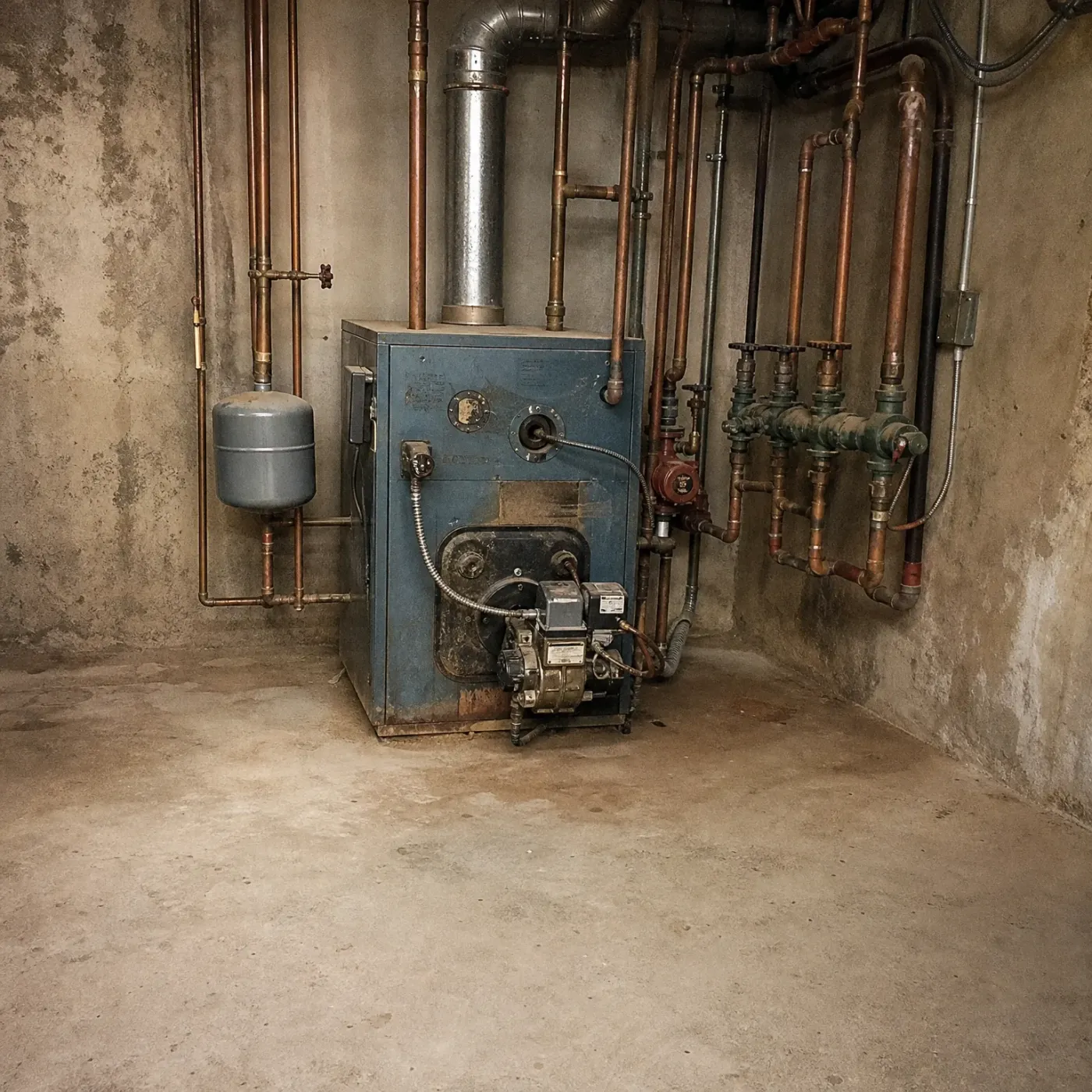
An older blue boiler with a burner unit stands in a concrete basement corner, connected to copper and steel piping, valves and a gray expansion tank on the wall.

Losing the fight

This is a boiler that's not keeping up. Old shut-off valves seize, zone valves and circulators wear down, and a flue pipe this old can rust through before anyone notices. When a unit this old starts short-cycling or won't fire at all, a repair call sorts out what's actually failing.

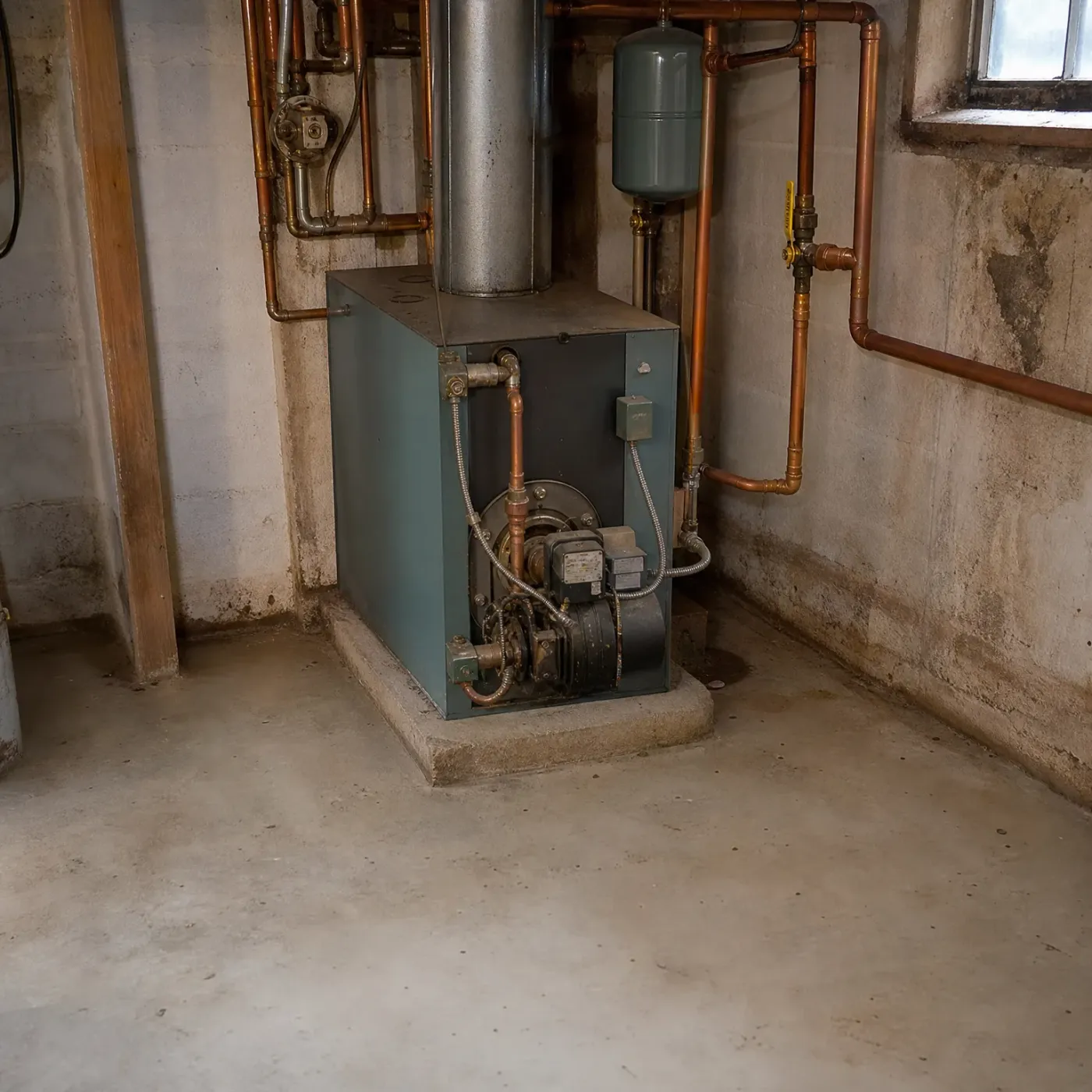
A green oil-fired boiler with a flue pipe, burner and circulator pumps sits on a concrete pad in a basement corner, surrounded by copper piping and an expansion tank against concrete walls.
Before you get your boiler repair
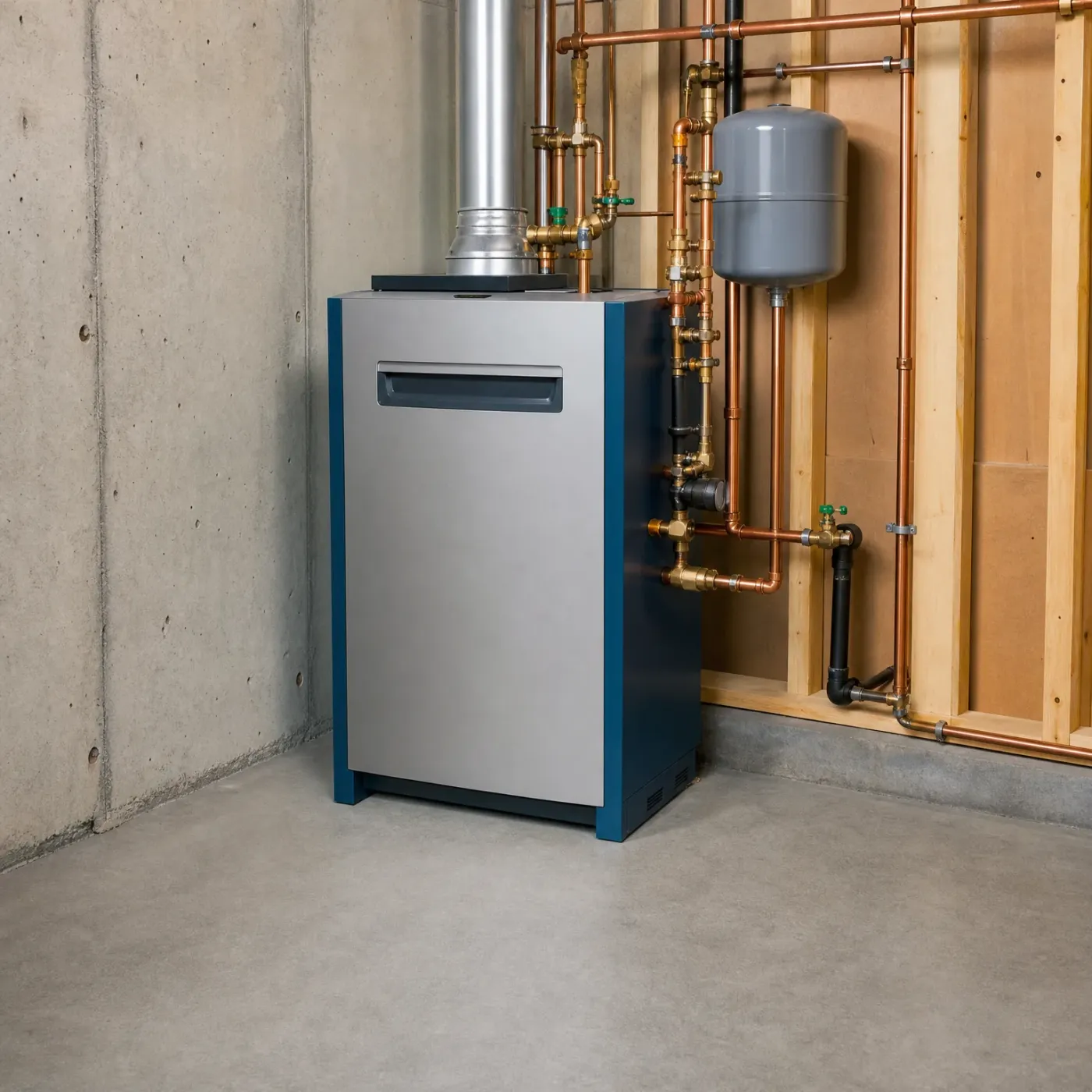
A gray and blue floor-standing boiler in a basement corner, with a metal flue pipe and copper and black piping, valves, and a gray expansion tank mounted on an unfinished wood-framed wall beside a concrete wall.
After you get your boiler repair
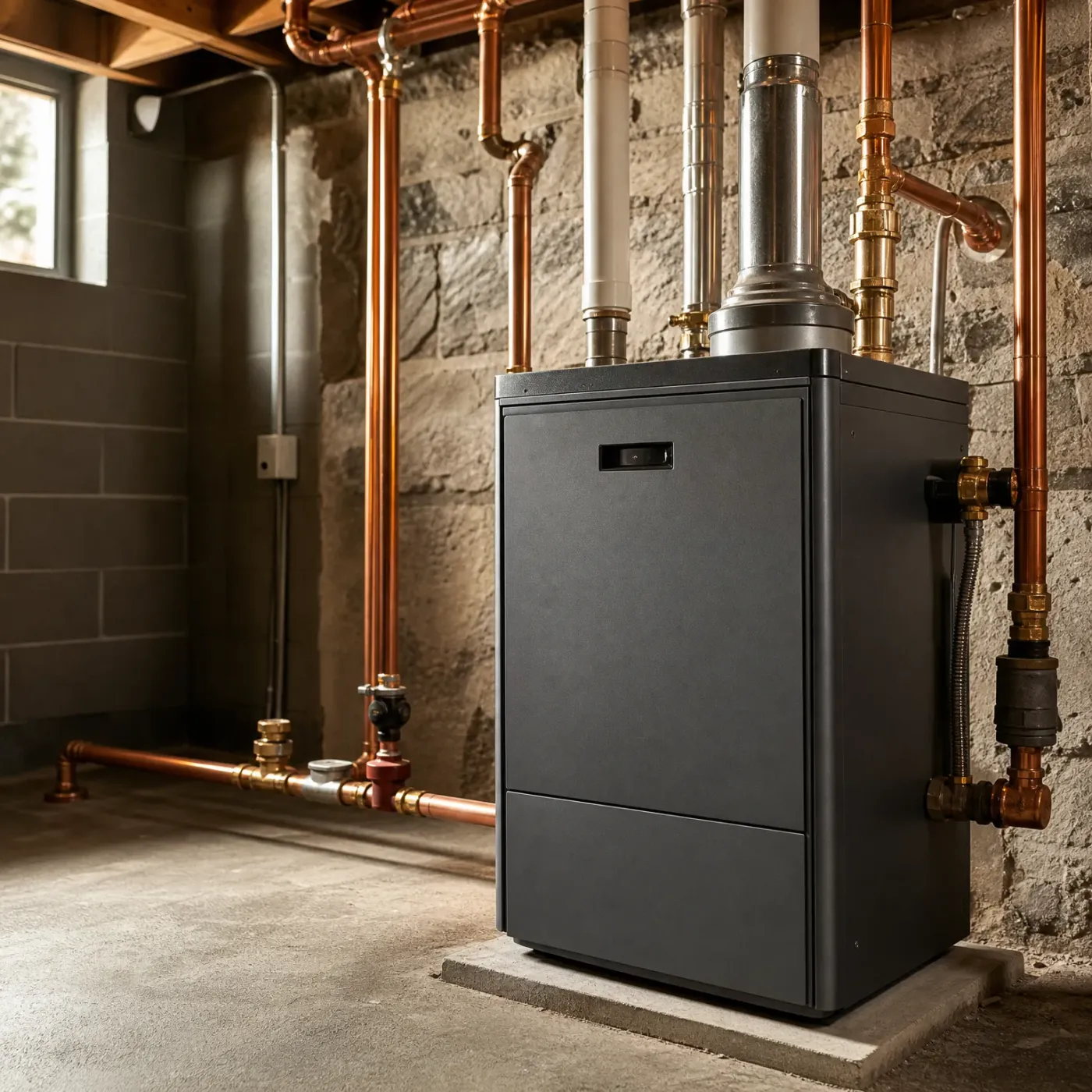
A dark gray boiler unit on a concrete pad in a basement, with copper pipes, brass valves, and metal flue vents running up a stone and block wall beside a small window.

Explain it one time

Your request stays with one local pro.

Skip calling shops to ask who repairs boilers in Fort Bend County.

Answer a few questions

It costs nothing to send, and you don't have to hire anyone.

What are you noticing in the house right now

A room that used to warm up by evening stays cool no matter how long the boiler runs. Radiators or baseboards feel lukewarm instead of hot, or warm at one end and cold at the other. You might hear the boiler kick on and off more than it used to, or hear it running without ever hearing it shut off. Some rooms get heat and others don't. The pressure gauge might sit lower than usual, or you might notice a faint smell near the unit that wasn't there before. None of this is about the Sugar Land cold being too much. It's the boiler not doing what it's supposed to do, and left alone, that usually gets worse, not better, and can mean a bigger repair later.

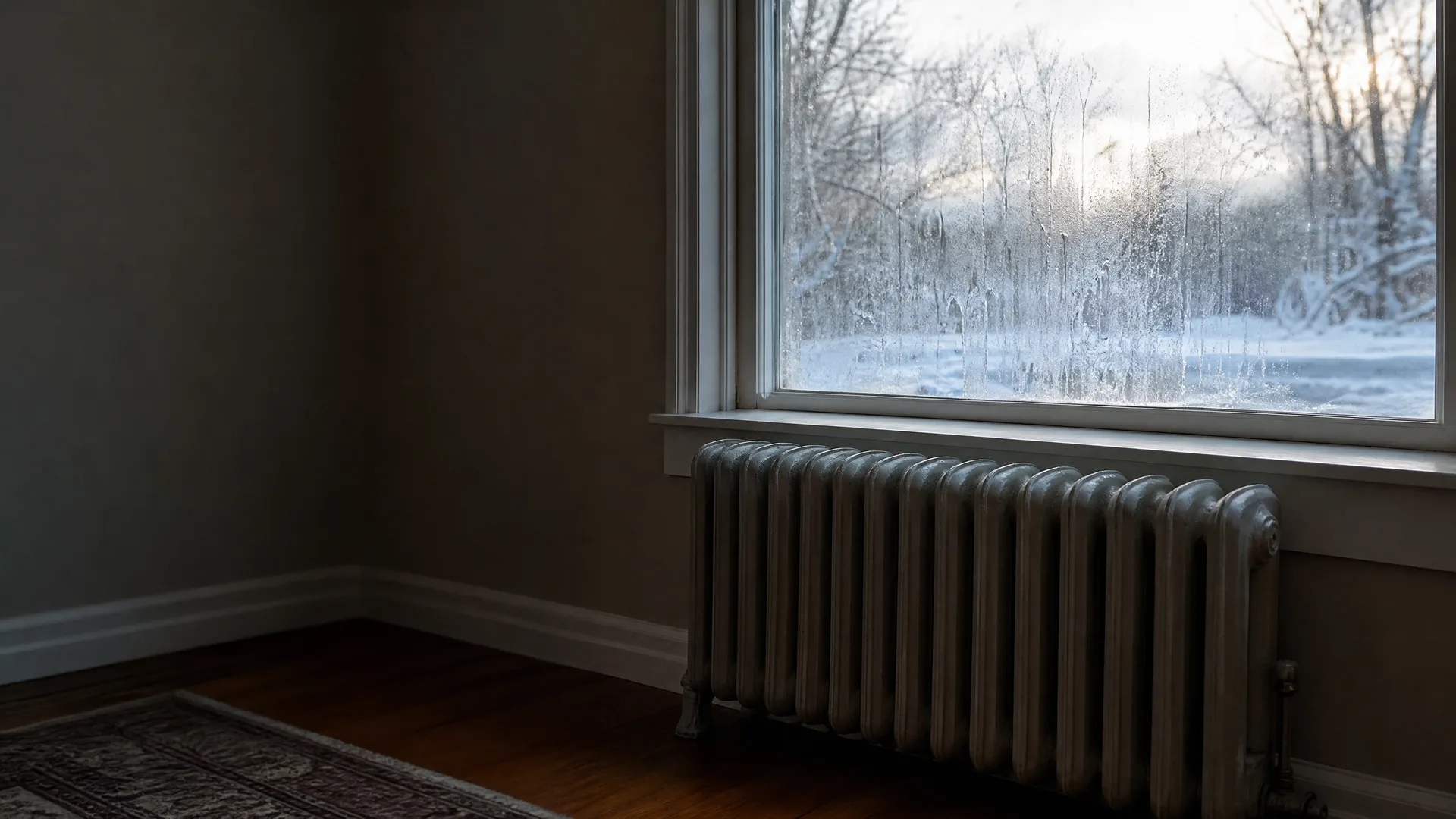
A cast-iron column radiator beneath a frost-covered window in a dim empty room with wood flooring, a patterned rug edge, and a snowy treed landscape outside.

It's just past six on a January morning and still dark outside. The thermostat says the boiler has been running, but the living room doesn't feel like it. You walk past the cast-iron radiator under the window and the glass above it has fogged and iced on the inside, a thin white edge creeping up the corner of the pane. You put a hand on the radiator. It's barely warm, cooler than it should be after running most of the night. Fort Bend County mornings like this don't come often, maybe a handful each winter, but this is one of them, and the room has gone cold enough that you can see your breath near the window.
A closed silver laptop and a dark ceramic mug of coffee sit on a wooden table in a dim kitchen, with a window showing a sunset at left and a wall shelf, plant, and stove in the background.

What's actually happening inside the boiler

A boiler heats water, and a circulator pump pushes that water out to the radiators or baseboards, then back to be reheated. If the house isn't warming, the break is usually in that loop somewhere, not in the whole system at once. Low pressure on the gauge means water has left the system through a leak or a relief valve that's been doing its job too often. Air trapped in the lines does the same thing from the inside, sitting at a high point in the pipe and blocking water from moving past it. A circulator that's failed won't move water at all, so the boiler fires but nothing reaches the rooms. And if the igniter or pilot won't hold, the water never gets hot to begin with.

A local contractor who works on boilers all winter has seen most of these before and knows which one a given symptom points to. That's the difference between sorting through listings and explaining the problem from scratch to one company after another, and having one licensed technician who already knows boilers look at yours. You get matched with one contractor local to Sugar Land, not a list to call down and repeat yourself to.

A gray upholstered sofa with a matching cushion sits beside a potted plant and a wooden table holding a small green plant in a stone pot, near a curtained window.
  1. Burner or igniter fires to heat water in the boiler

  2. Circulator pump pushes hot water out toward the zones

  3. Zone valves or relays open the loop that's calling for heat

  4. Water gives up heat through radiators or baseboards into the room

A boiler that's running but not warming the house points to one break in the loop, whether that's a circulator pump, a zone valve, an igniter, or pressure that's dropped off. Once that part is found and fixed, the radiators or baseboards go back to doing what they're supposed to do. Finding a contractor who works on boilers specifically isn't always quick in this area, since most homes around Sugar Land heat with gas furnaces and fewer companies stay sharp on boiler systems. The match this page makes sends your request to one licensed local contractor who works on boilers through the mild winters here and has seen what tends to fail in them, not a handful of companies competing for the job. You won't need to describe the problem more than once or sort through different quotes to figure out who actually knows this equipment. The house should hold even heat through every room, the pressure should sit steady, and the boiler should cycle without you noticing it. That's the standard to check the repair against once it's done.

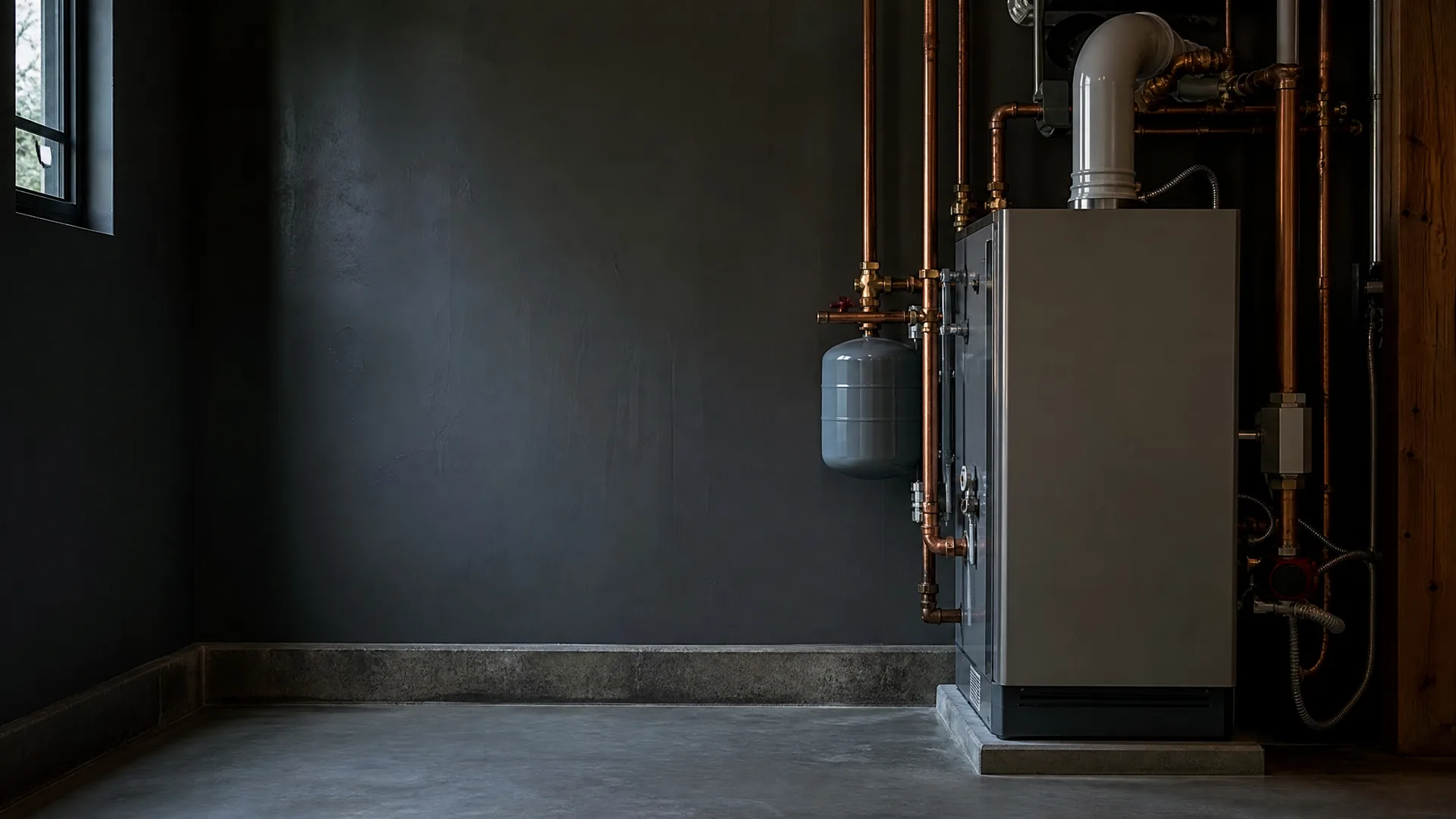
A mechanical room with dark gray walls and a concrete floor, containing a tall light-gray boiler unit with a white flue, copper piping, and a blue expansion tank mounted on the wall.

Skip the calls to every shop

A licensed pro who repairs boilers in Fort Bend County gets your request.

Step 1 of 3: Equipment