 Match me with a pro
Boiler not heating in San Antonio, TX
Get matched with a pro who fixes boilers in Bexar County.
A boiler in a San Antonio home is already the exception. Most houses here run on electric heat, so when a boiler goes quiet, it's not always the same problem your neighbor's system would have, and not every contractor who answers a service call works on them often.
Winters in Bexar County are mild, but you still want heat on the cold nights, and a boiler that won't fire isn't something to leave for a warm spell to fix itself. Whatever stopped it, whether it's the pilot, a pressure problem, or something in the circulator, it needs someone who actually knows this equipment to look at it.
That's the gap this page closes. Instead of guessing which company nearby still services boilers, you get matched with one contractor local to this area who works on them. Not a list of five companies calling you back at once, just the one who fits what you're dealing with.
Because they're local, they know what tends to go wrong with boilers in homes around here, built for a climate where heat isn't asked to do much most of the year and then has to work right on the nights it's needed. That's a different kind of wear than a boiler running hard all winter somewhere colder, and it's worth having someone who already understands that going in.
Once you're matched, that contractor reaches out to you directly. No runaround, no sorting through quotes from strangers. Just a licensed pro who takes boiler calls seriously in a place where most people don't have one.
Tell the page a little about your situation, and let the matching start from there.
Why is my boiler not heating my house?
Your boiler is running, or trying to, but the radiators or the floors stay cold, or barely warm. In a city where boilers are the exception and electric heat is the rule, it can be hard to know if the problem is something simple or something that needs a part most local repair trucks don't carry.
Usually a loss of pressure, a dead thermostat signal, or trapped air in the lines
Most of the time the boiler is firing but the heat isn't reaching the rooms. Low water pressure keeps the burner from running at all, and a boiler will shut itself down rather than run dry. Air trapped in the pipes or radiators blocks hot water from circulating, so parts of the house stay cold while others warm up fine. A thermostat that's lost its connection to the system, wired or wireless, will leave the boiler sitting idle even though everything else works. Since winters in San Antonio are mild, a boiler here often sits unused for months at a time, and that downtime is when pressure drops and air works its way into the lines unnoticed.




Call Now or Hold Off
Call for repair
- A tech who works on boilers in San Antomio knows this isn't the usual electric heat pump or furnace and brings the right parts.
- If the pilot won't stay lit or the circulator pump is silent, those are known failures with a known fix, not a mystery.
- Since mild winters here mean boilers run only a few months, a problem can sit unnoticed until the first cold snap finds it.
- A local contractor matched to your request is the one who shows up, not three or four companies competing for the callback.
- Repair gets heat back to the radiators or floors this week, while you still need it for the rest of winter.
Wait and see
- A boiler that's merely lukewarm, not stone cold, might just need bleeding of air from the lines, something simple to check first.
- Waiting through a mild San Antonio winter risks less than it would somewhere colder, since the system runs fewer months here.
- If the thermostat was bumped or the zone valve is stuck open, no repair is needed at all once you find the setting.
- Letting a small issue sit can turn a stuck valve into a cracked one, since parts fail harder under repeated strain.
- Delaying past the next cold snap means the household goes without heat right when it's needed most.
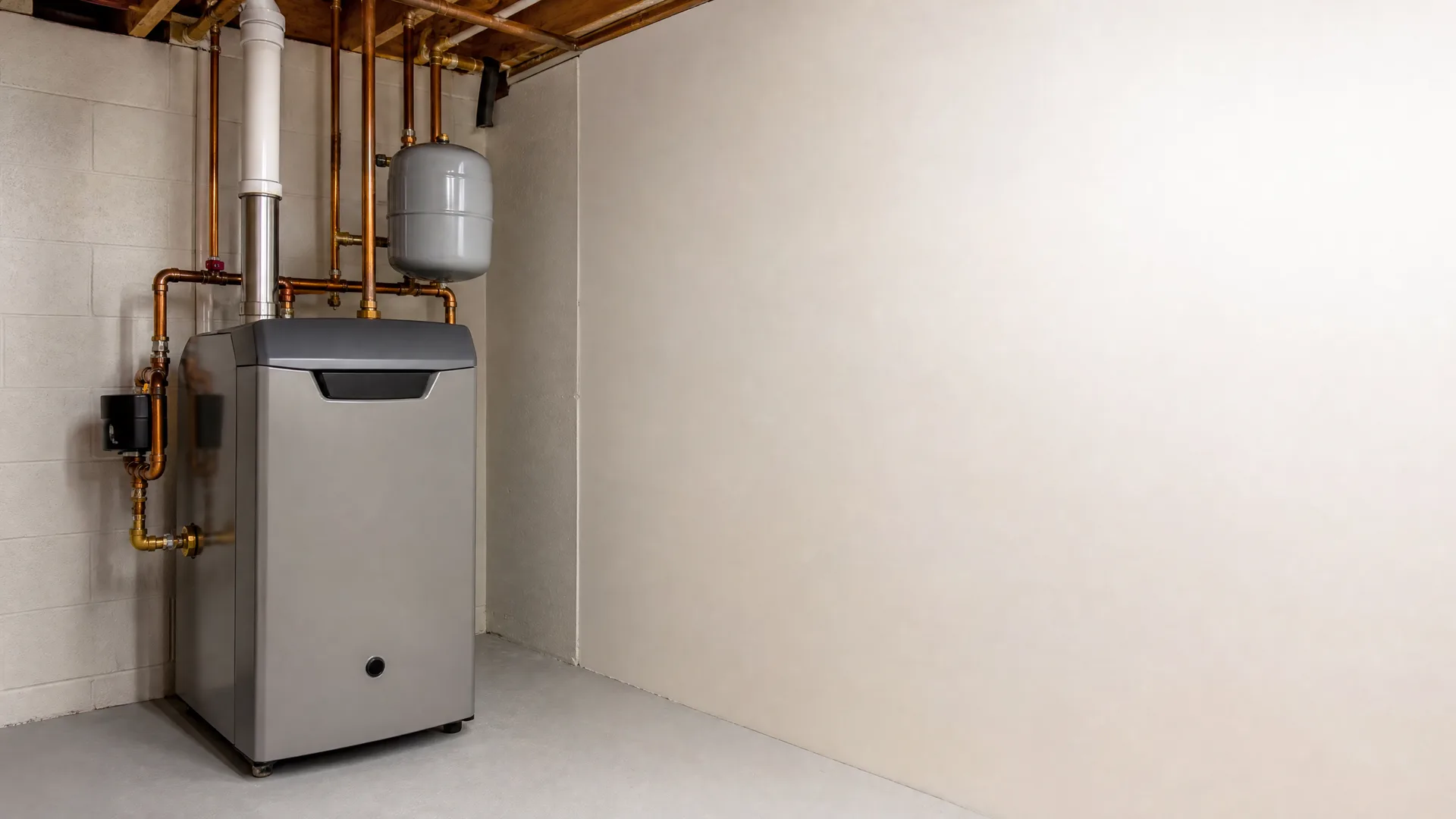
Why the pilot keeps going out
A standing pilot burns as long as gas reaches it, and it doesn't need power to stay lit. If it keeps dying, the thermocouple is usually the reason. That's the small probe that sits in the flame and tells the gas valve the pilot is actually burning. Once it wears out, it reads the flame as out even when it isn't, and the valve shuts the gas off. It's a cheap part to replace, but the symptom looks the same as a dozen other things until someone pulls the burner compartment open and looks.
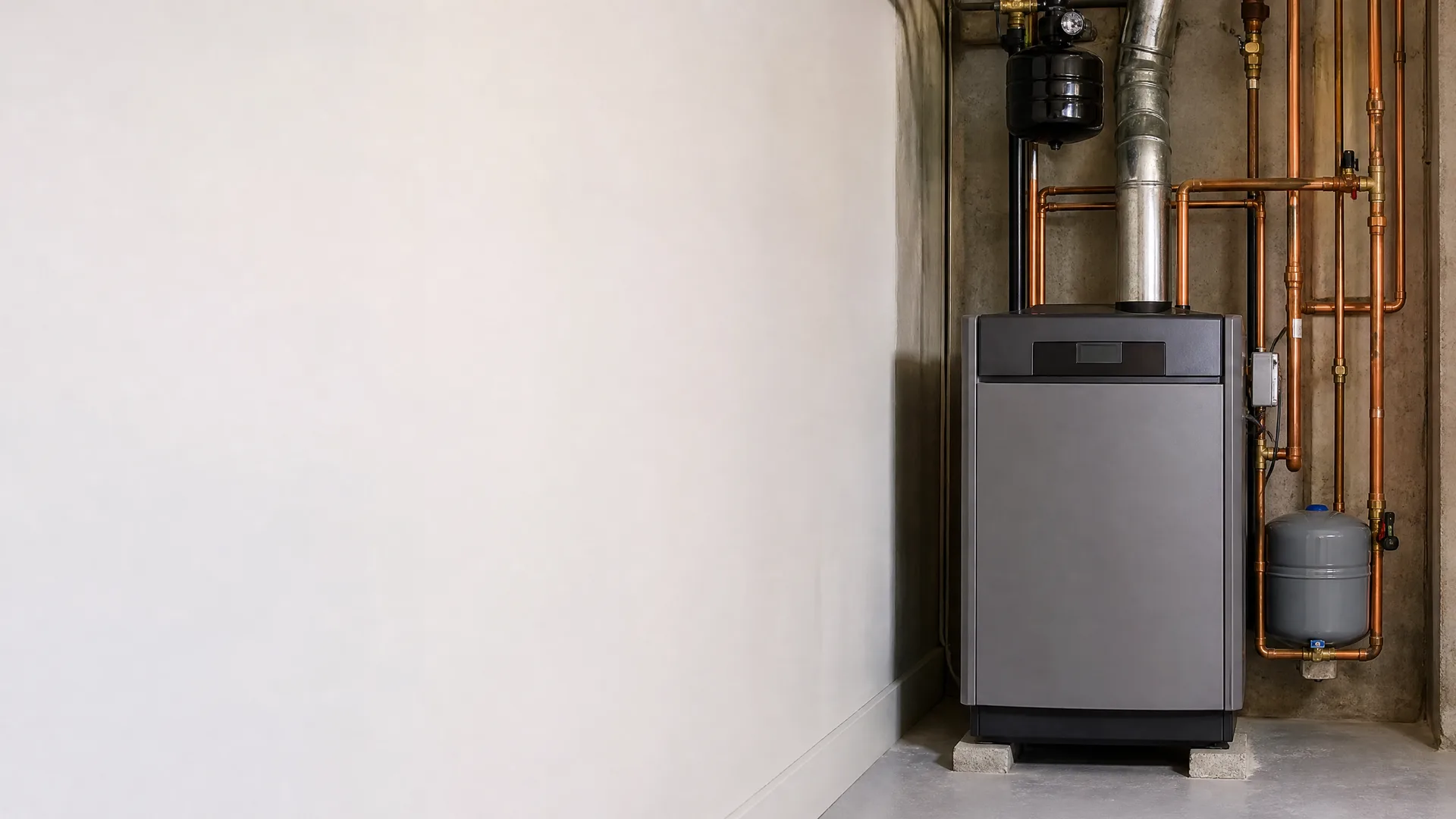
What a silent circulator pump means
Heat moves through a boiler system because a circulator pump pushes hot water out to the radiators or the floor loops. If that pump isn't running, the burner can fire all day and the water never leaves the boiler. You might hear it humming and going nowhere, or hear nothing at all. Either way, the house stays cold while the boiler itself reads normal. Checking the pump is one of the first things a tech looks at when a boiler is heating water but the rooms upstairs stay flat.
Why does San Antonio even ask for a boiler that heats at all?
Winter nights average 43°F
Nights only drop to 43°F here, so a boiler that's struggling still has to work less than one in a colder state.
Heat runs November through March
Five months of heat a year is a short run for a boiler to earn its keep, but it still has to work right every one of them.
69.6% of homes heat with electricity
With electricity heating most homes near you, finding someone who still knows boilers takes a bit more looking.
NOAA nClimDiv 1991-2020 · ACS 2020-2024


Matched to your boiler job
A boiler that's gone quiet in Bexar County doesn't get fixed by whoever is next on a call list. Most houses around San Antonio heat with electricity, so a lot of techs who show up fast have never actually traced a cold radiator loop or bled air out of a line. Matching you with someone who works on boilers specifically, and who's local to this area, means the person looking at your system already knows what tends to fail in a house like yours after five mild winters of light use, not what fails in a furnace. You also only hear from that one contractor, not a string of callbacks from companies guessing at what you need. Your radiators are cold or your floors won't warm, and that's a specific problem that wants someone who's seen it before in this city, not just someone available today.
How a boiler actually heats a house
- Cold starts in a loop system move in a set order, from the boiler out to the farthest radiator and back.
- The aquastat tells the burner when the water is hot enough and when to shut off, separate from the room thermostat.
- Air trapped in the lines collects at the highest point and blocks hot water from reaching that radiator or that loop.
- A circulator pump that's gone silent means the boiler can be heating water that never leaves the tank.
- Zone valves open and close to send heat to one part of the house at a time, and a stuck one leaves that zone cold while others warm up fine.
- Low water pressure on the gauge will shut the whole system down before it tries to fire at all.
A boiler doesn't just turn on and make heat appear everywhere at once. Water heats in the tank first, then the circulator pump pushes it out through the pipes, usually starting with the loop or zone closest to the boiler and working out to whatever's farthest away. The aquastat is what decides when the water's hot enough to send out and when the burner needs to fire again. It does that job regardless of what the thermostat on the wall is set to, which is why a boiler can run and still leave a house cold if the aquastat's reading wrong or set too low. Along the way, air can get into the lines and rise to the highest point it can reach, usually the top of a radiator or the top of a loop, and sit there blocking water from getting through. If the house is split into zones, each one has its own valve, and that valve has to open before any heat reaches that part of the house at all. One stuck valve means one cold room while the rest of the house is fine. None of this works if the pressure gauge is reading low. A boiler with insufficient water in the system will shut itself down before it tries to fire, which is often the first thing worth checking before anything else.
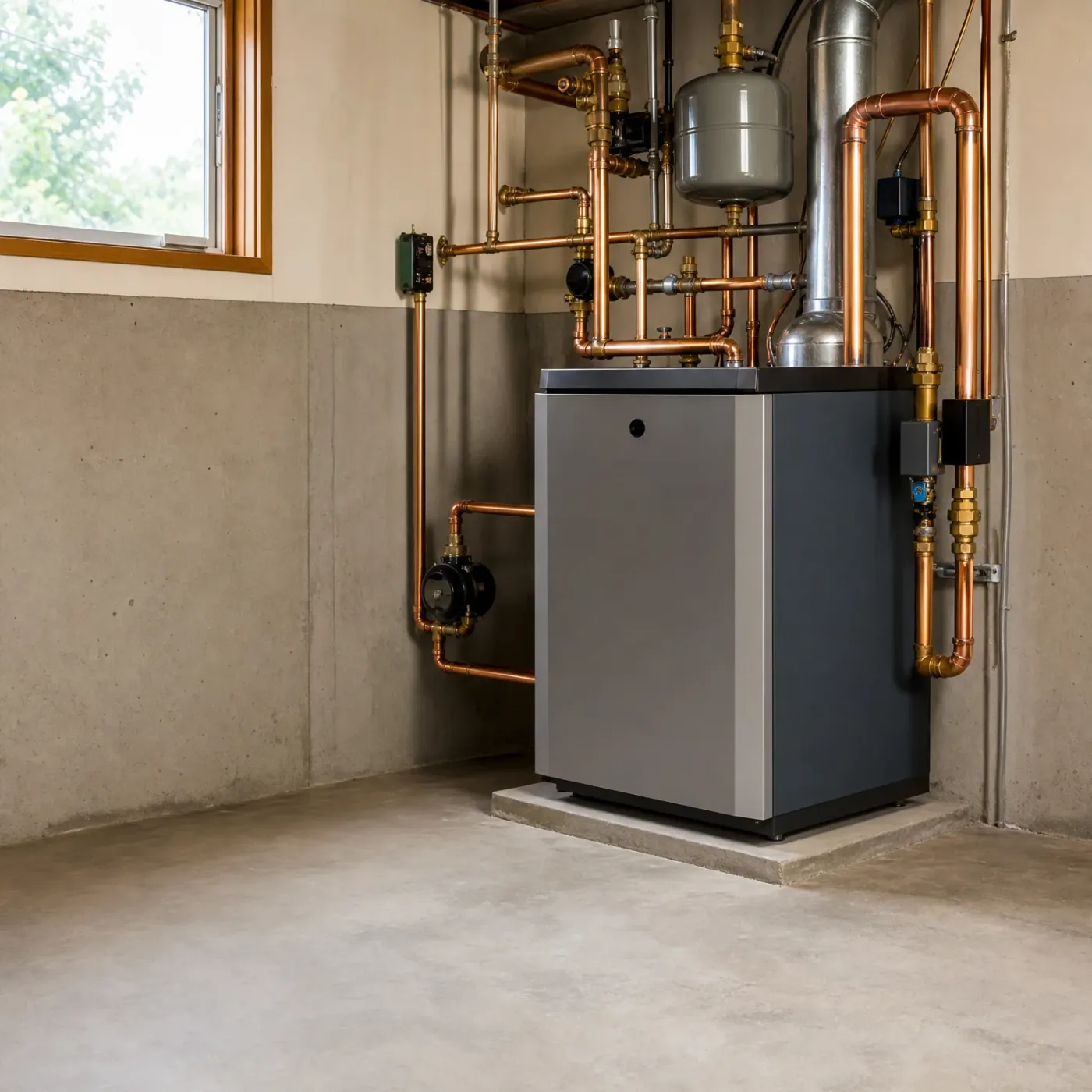
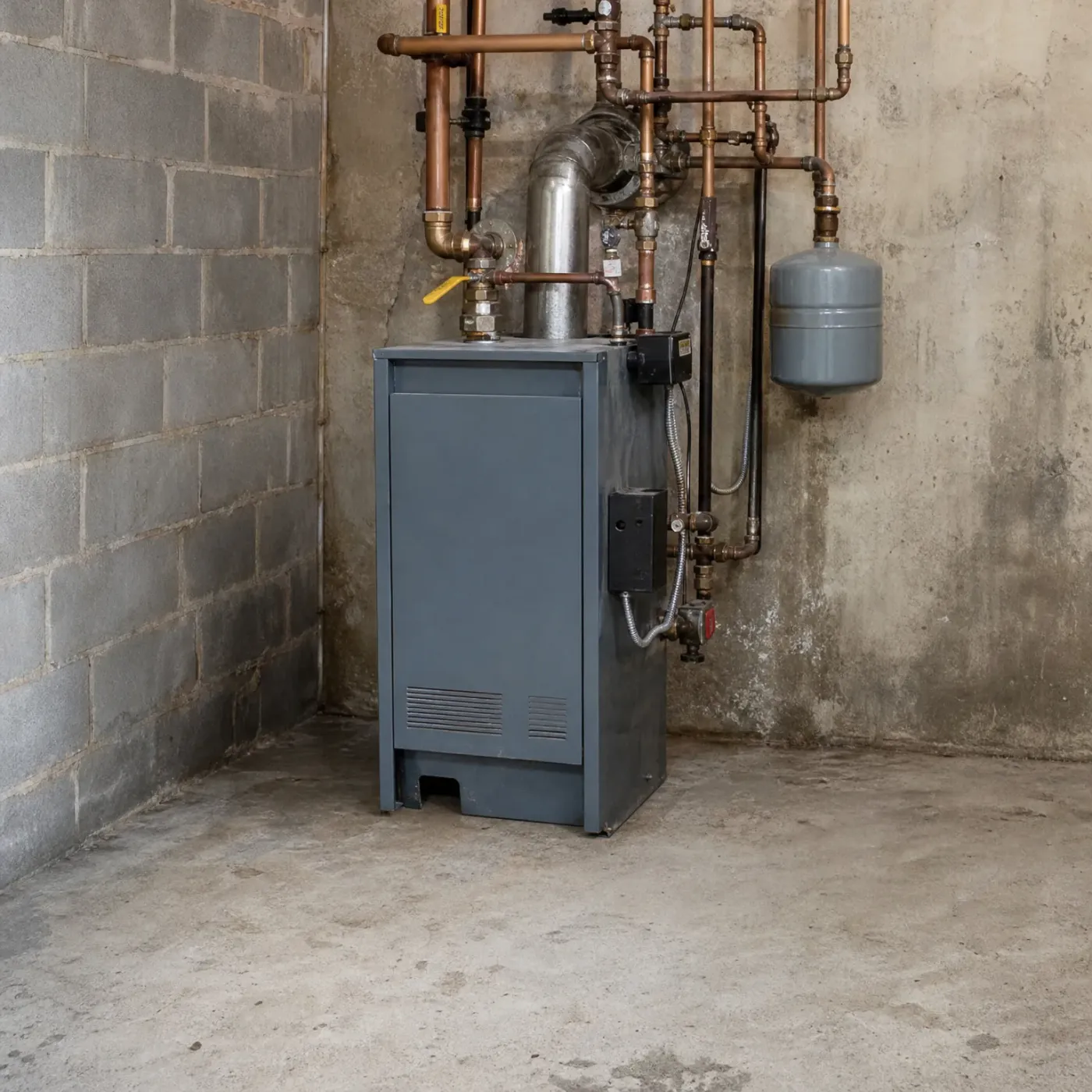
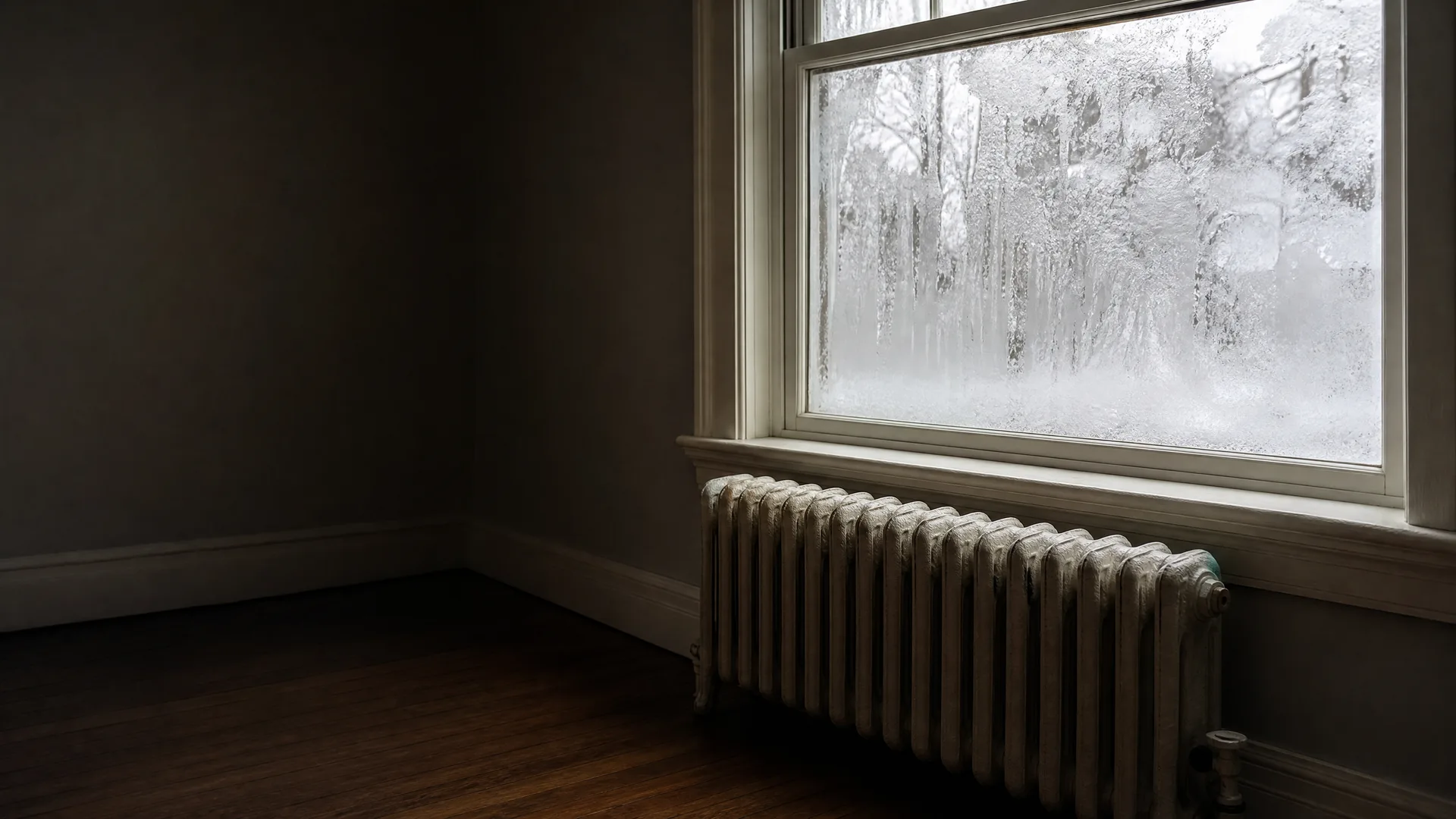
The house is quiet except for the tick of the radiator cooling instead of heating. You're up before the rest of the house, coffee in hand, and the window over the radiator has ice laced across the inside of the glass. Outside, the morning sits in the low 40s, the kind of cold snap Bexar County gets a handful of times a winter. You rest your hand on the cast iron and it's barely warm, nowhere near what it should be. The thermostat says the system is calling for heat. You can hear something trying, somewhere down in the pipes, but nothing is getting to this room.
Winter nights average 43°F
A low of 43°F won't freeze you out, but it's cold enough that a boiler sitting idle makes itself known fast. Radiators that should take the edge off a 43-degree morning instead stay cool, and that gap is usually the first sign something downstream of the burner isn't moving.
NOAA nClimDiv 1991-2020
A boiler that won't heat usually comes down to one thing stopped somewhere in the loop: a pilot that won't hold, an aquastat that isn't calling for heat, air trapped where water should be moving, a circulator pump gone quiet. Finding which one it is takes someone who's traced these problems before, not someone guessing at a system they rarely see. That's the gap in a city where boilers are the exception. A contractor who actually works on them around San Antonio has likely seen your exact failure already, on a boiler not unlike yours, in a house not unlike this one. You'll be matched with one such contractor, not a handful of companies competing for the callback, and that one will already know what to check first when they get there. The radiators will take the edge off that cold morning again once the actual problem gets found and fixed, not guessed at.

Boiler Repair
A boiler pro near you

- Get matched with someone who does this kind of work in Bexar County.
- Get matched with a pro who works on boilers in Bexar County.

- Send the request today and stop worrying about who to call.
- Send the request and finding a pro stops being your problem.

- Skip calling shops to ask who repairs boilers in Bexar County.
- Answer a few questions instead of calling shop after shop.

- The pro who gets in touch is licensed in Texas and works in Bexar County.
- Your request stays with one local pro.