
Boiler making banging noises in McAllen, TX
Why is my boiler making a banging noise?
A boiler isn't supposed to make loud banging or popping sounds when it fires up or runs. If yours has started doing it, especially a hard knocking that seems to come from inside the tank or the pipes, something has changed inside the system. It's worth figuring out why rather than letting it go, since the noise itself is a sign the boiler is working harder than it should.
Banging usually means mineral buildup or trapped air in the boiler
The most common cause is sediment or scale that has built up on the bottom of the tank or around the heat exchanger. Water pockets get trapped under that buildup, and when they flash to steam, they collapse with a bang you can hear through the house. A boiler can also bang if air has gotten into the system, since trapped air pockets knock against pipes and fittings as water moves past them. Either way, the noise means the boiler is working harder to heat the water than it should have to, and it tends to get louder over time rather than go away. Winters in Hidalgo County are mild, so a boiler here runs less than one further north, but the sediment still builds up the same way and needs the same fix.
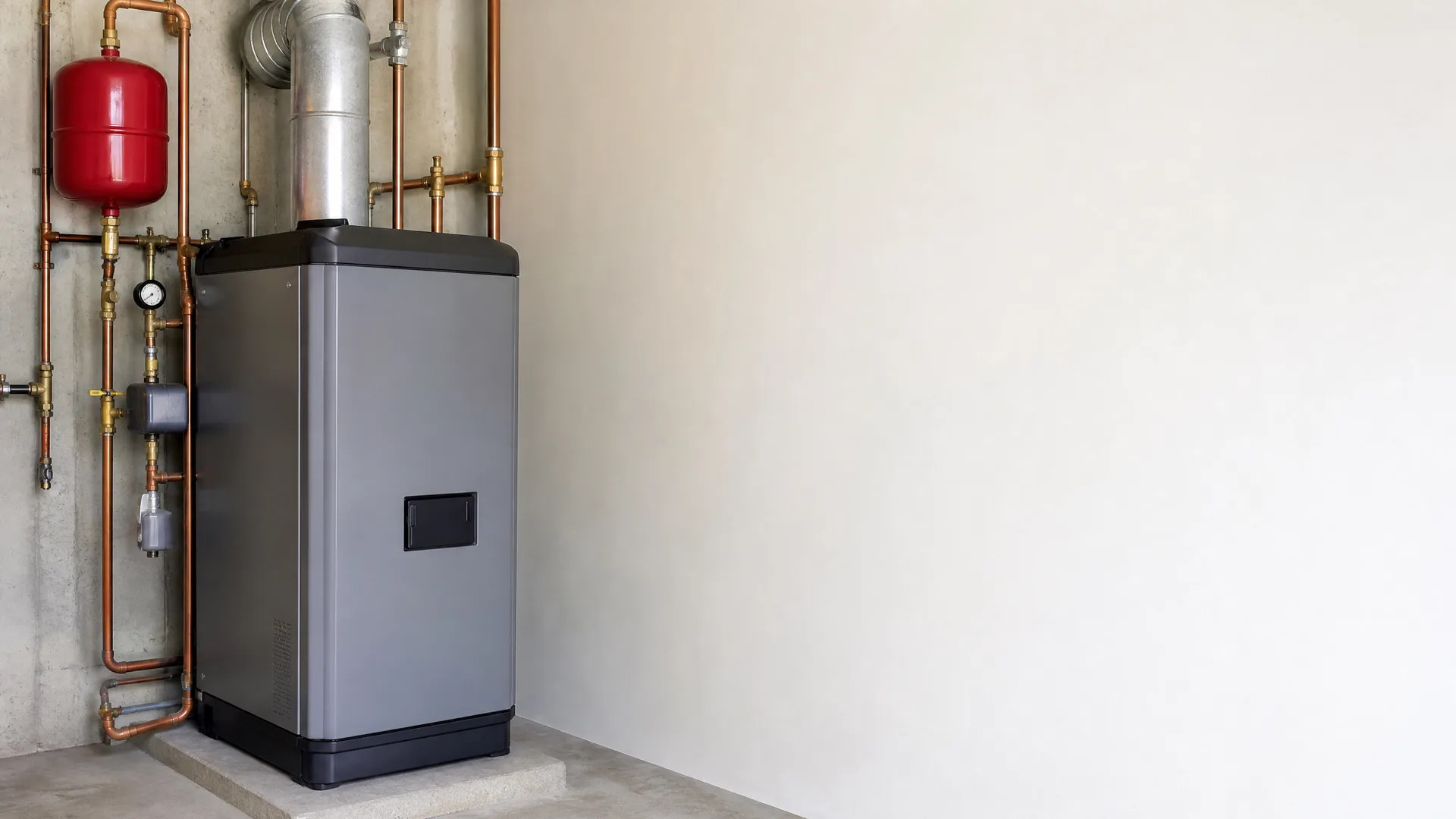
Why the banging happens
Boilers bang most often because of kettling. Sediment or scale builds up on the heat exchanger, and water trapped under it turns to steam pockets that collapse with a knock you can hear through the pipes. The harder your water, the faster this buildup forms. It won't clear on its own, and running the boiler while it kettles keeps stressing the same metal.
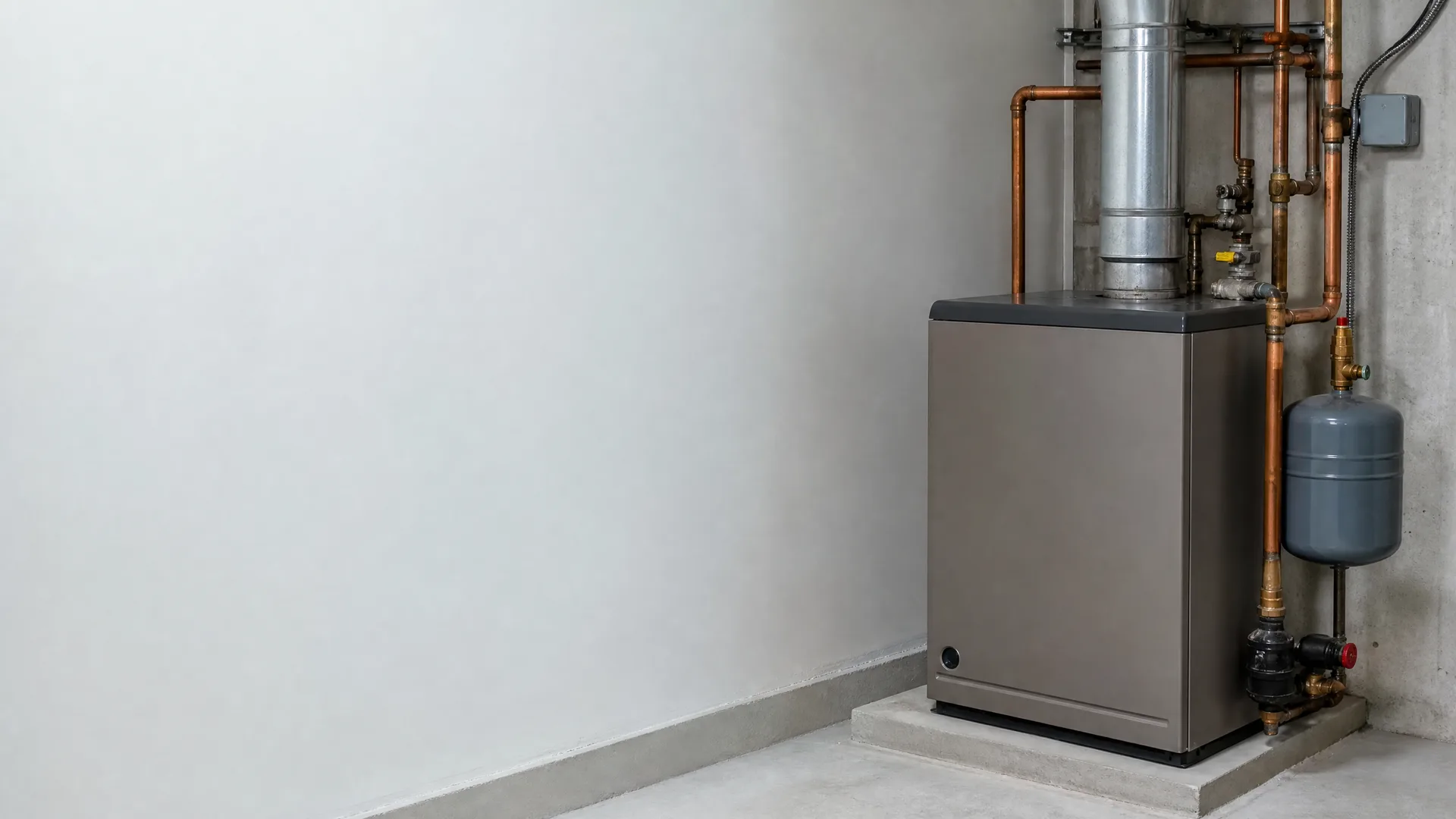
Where else the noise starts
Not every bang comes from inside the tank. Trapped air in the pipes can knock as it moves toward a radiator or baseboard unit, and a pipe that isn't secured will hit against a joist or wall stud as it heats and expands. A failing pump or a valve that isn't opening fully can also cause a hard knock right as the boiler fires.
Why does a boiler even need to run here
Winter nights average 51°F
Winter nights average 51°F here, cool enough that the boiler still has real work to do.
Heat runs December through January
Heat runs about two months a year, December through January, so a banging boiler gets light use before it quiets down or fails.
90.6% of homes heat with electricity
90.6% of homes in Hidalgo County heat with electricity, which means most boilers here are the exception, not the rule.
NOAA nClimDiv 1991-2020 · ACS 2020-2024
Sediment damage versus a loose part
Kettling from sediment buildup wears on the heat exchanger every time the boiler fires. The metal heats unevenly where scale has collected, and that stress adds up over repeated cycles even if the noise seems to come and go. A boiler that's kettled for months without attention can crack a heat exchanger, and that's a far bigger repair than cleaning one out early. If the banging is new and sharp, this is usually what's building underneath it, whether or not it sounds urgent yet.
A loose part is simpler
Sometimes the bang isn't the water at all. Pipes expand as they heat and can knock against a joist or a strap if they're not secured well, and a loose baffle inside the unit can rattle or clang as the burner cycles. Neither wears anything down the way kettling does. A knocking pipe might do it for years without hurting the boiler itself. The sound can be just as loud as kettling, sometimes louder, so you can't tell which one you have by volume alone. A contractor can listen and tell the difference quickly.




Get matched with a boiler pro in Hidalgo County
After you send the request, you're done searching.
Get matched with a pro who fixes boilers in Hidalgo County.
You're not committing to anything by asking.
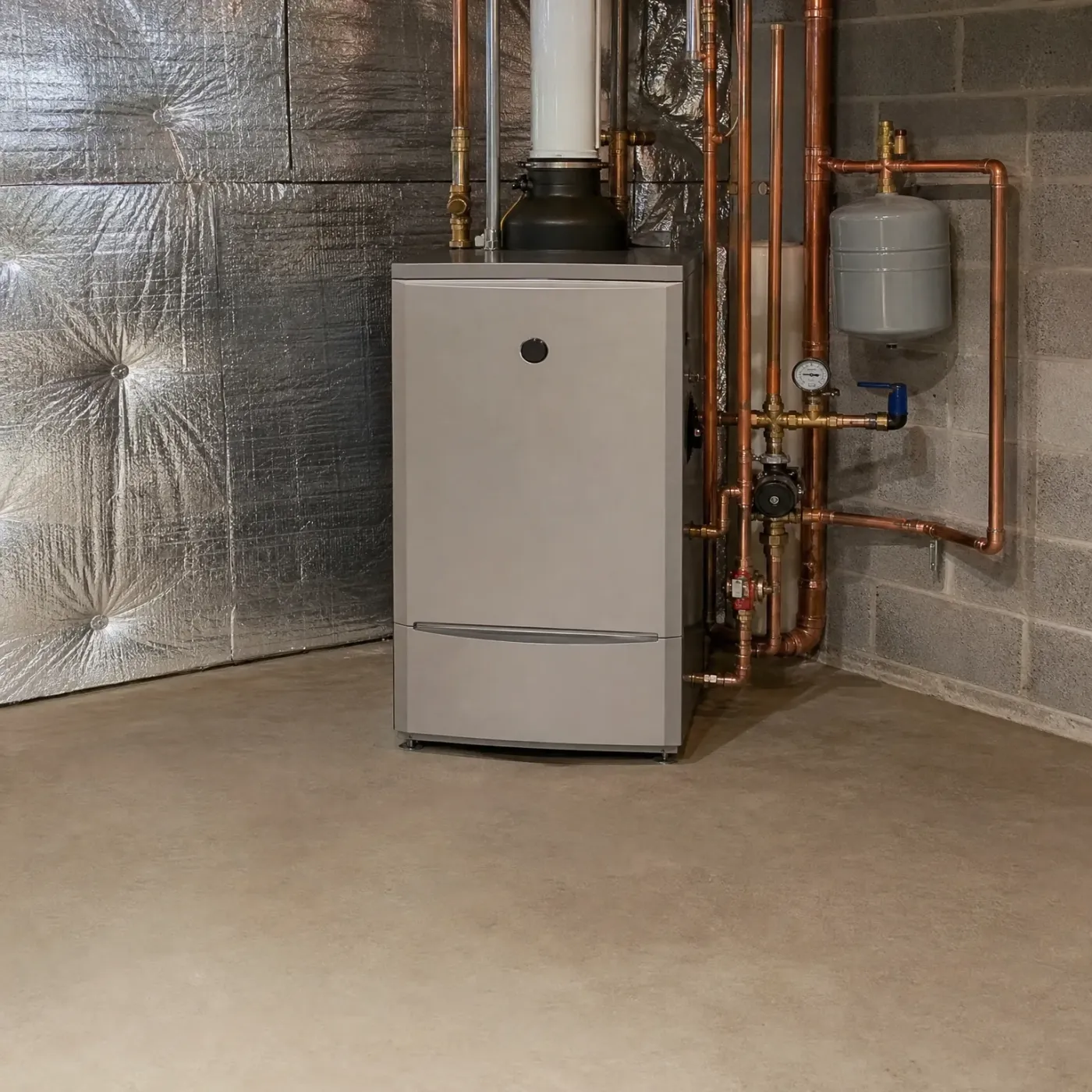
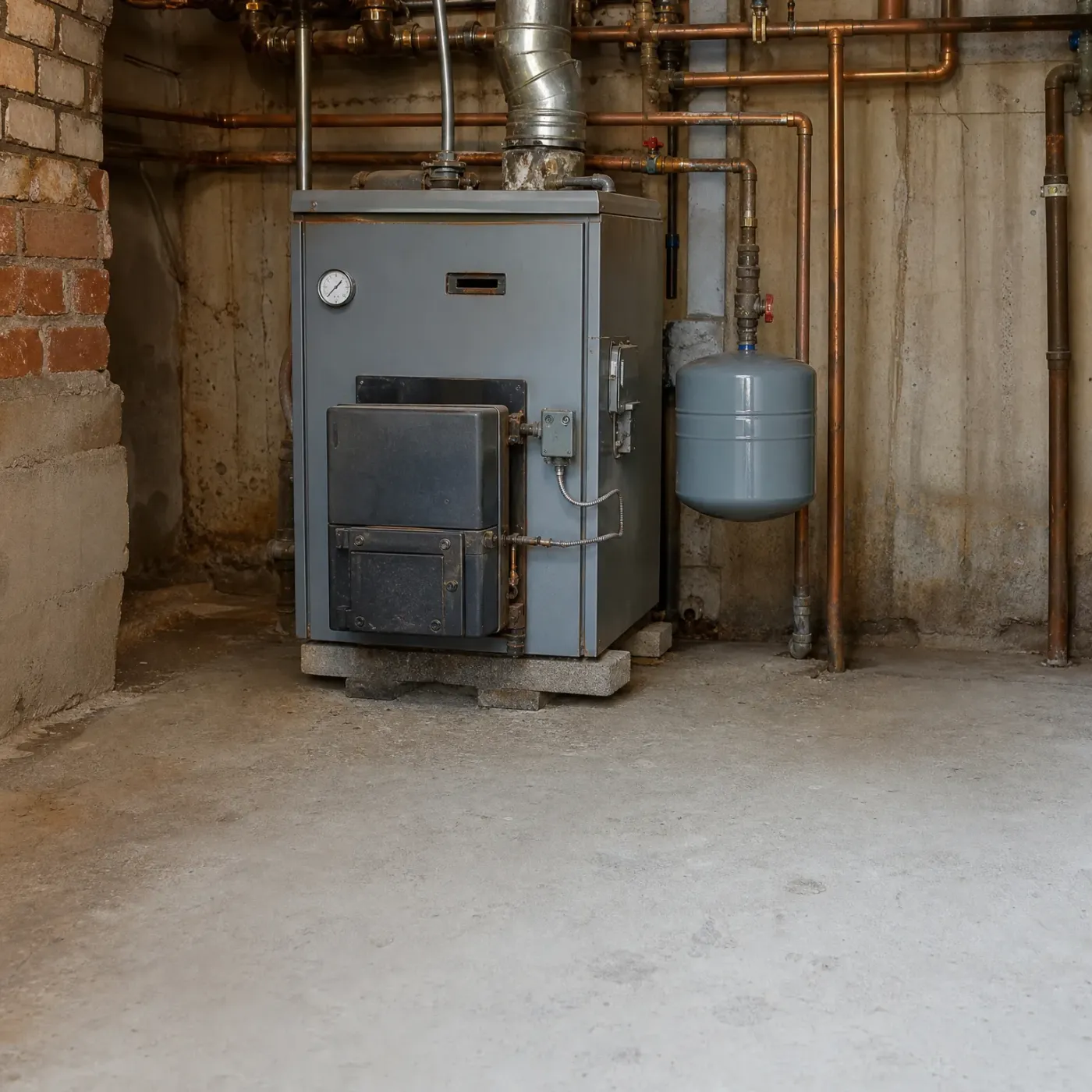
Reading what the sound tells you
- Kettling noise usually starts low and gets louder over weeks as scale keeps building on the heat exchanger.
- A gurgle or knock right at startup often means trapped air, which bleeding the system can clear on its own.
- Banging that happens only when the burner first fires points to the heat exchanger itself, not the pipes.
- A loose pipe strap or bracket makes a sharper, more metallic bang than kettling does, and it moves with the pipe.
- Pressure that creeps up alongside the noise suggests the expansion tank isn't absorbing the water the way it should.
- A boiler that bangs and also runs longer to heat the same rooms is losing efficiency as the scale spreads.
The sound itself tells you where to look. A soft gurgle when the burner first kicks on is usually just air caught in the lines, and bleeding the system often takes care of that without a technician ever touching the heat exchanger. Kettling is a different animal. It starts quiet, almost easy to ignore, and builds over weeks as scale keeps collecting on the heat exchanger surface. Water gets trapped under that layer, turns to steam, and the pockets collapse with the knock you hear. If the banging only happens right as the burner fires and goes quiet once the boiler is running steady, that pattern points to the heat exchanger itself rather than anything in the pipe runs. A loose pipe strap sounds different again. It's sharper and more metallic than kettling, and you can usually tell because it moves with the pipe rather than coming from deep inside the tank. Watch the pressure gauge too. If it's crept up around the same time the noise started, the expansion tank may not be absorbing water the way it's supposed to, and that's worth having checked alongside the noise itself. One more sign worth noting: if the boiler is running longer than it used to just to heat the same rooms, the scale causing the kettling is also cutting into how efficiently it transfers heat.


Scale builds up inside the tank a little at a time, and every winter it sits there is another winter the metal heats unevenly under it. That's what the knocking is telling you. McAllen's water is hard enough to keep feeding it, so the noise rarely goes away by itself, and since heat only runs a couple of months here, it's easy to hear the banging in December, get used to it, and forget by March that anything was wrong. By then the scale has had another season to spread. Left long enough, that uneven heating can crack the heat exchanger, and a cracked exchanger usually means a new boiler instead of a repair. Not every bang points to the same cause, though. If yours knocks only when the burner shuts off rather than all through the cycle, that's a different problem than kettling, and trapped air can sound similar but clear up with a simple bleed of the system. Knowing which one you have before anyone comes out saves a wasted trip.
What this noise means for your boiler
- A banging boiler that keeps running on scale heats unevenly, and the stress on that metal tank adds up each winter it goes unaddressed.
- Heat only runs a couple of months here, so a noise you let slide in December is easy to forget about by March.
- A cracked heat exchanger from repeated kettling usually means replacing the unit instead of a repair bill you could have avoided.
- Hard water in this area feeds the scale buildup that causes kettling, so the banging tends to return if the cause isn't cleared out.
- Trapped air causes knocking too, and that kind of noise can often be solved by bleeding the system rather than anything more involved.
- A boiler that bangs only when the burner shuts off points to a different problem than one that bangs all through the cycle, and mixing them up wastes a trip.
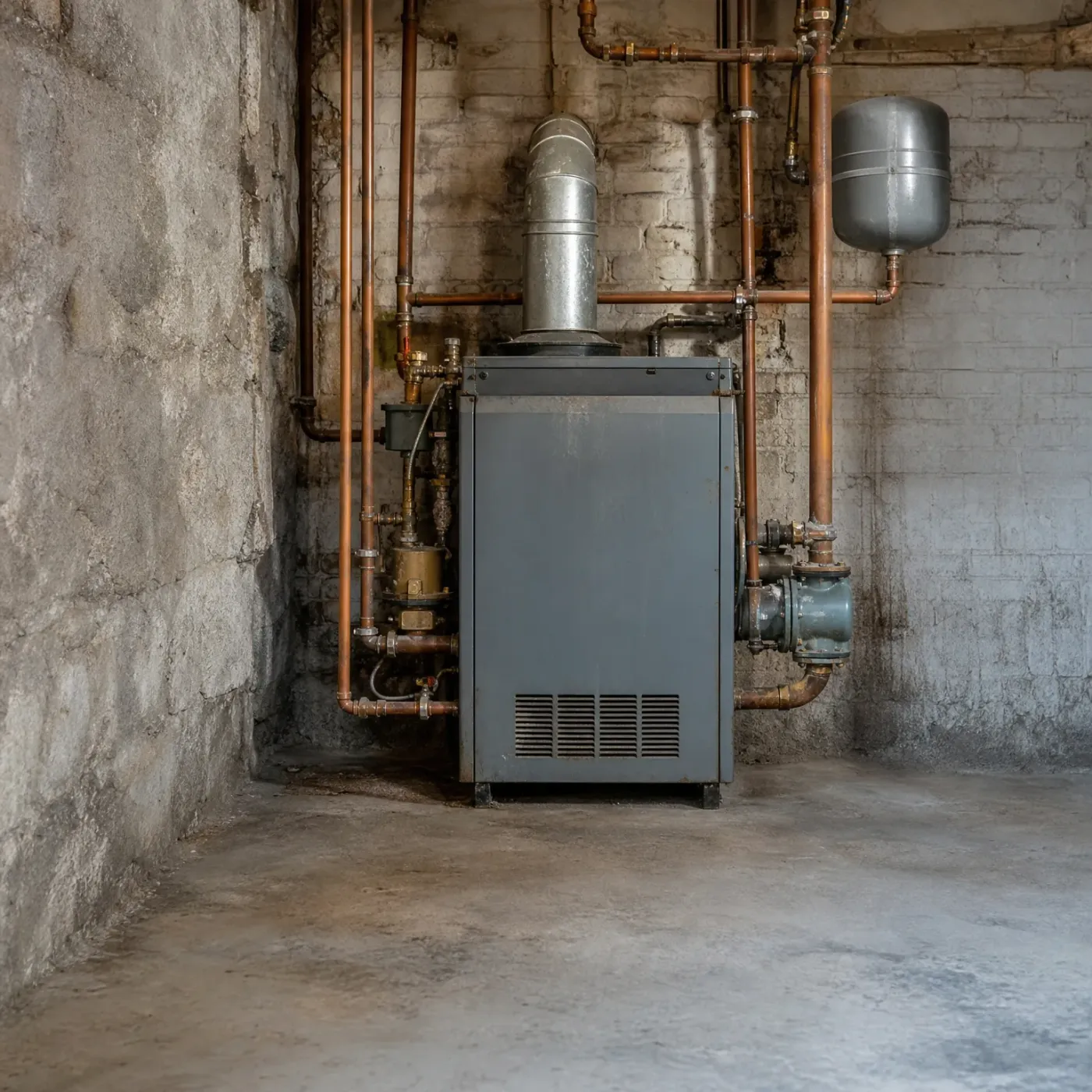
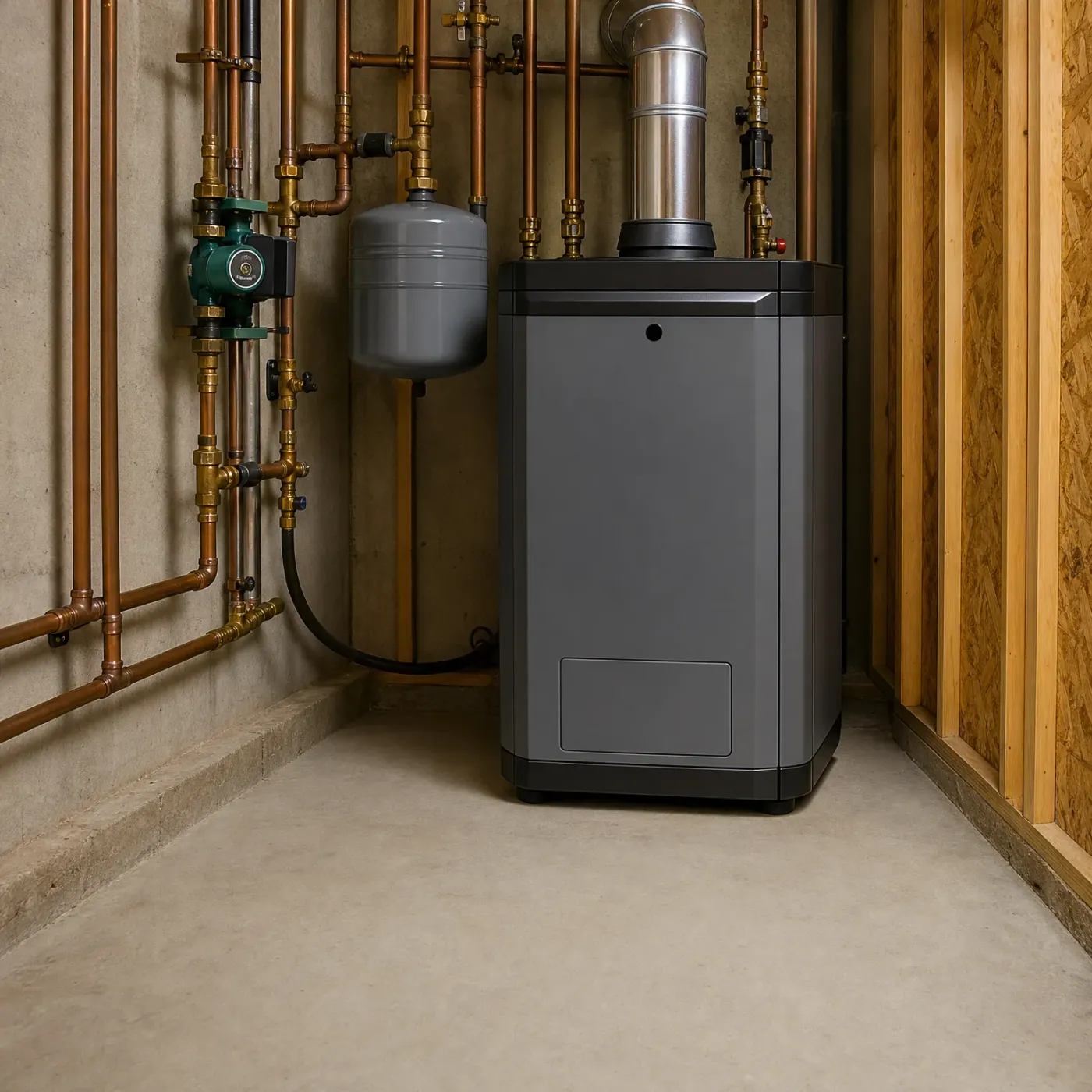
A banging boiler you keep running on is a gamble on one part: the heat exchanger. If it cracks under the stress, the whole unit needs replacing, not just a repair.
A boiler checked out when the noise starts is a smaller job almost every time. Scale gets flushed or a part gets swapped before the tank itself takes any damage.
Winter nights average 51°F
At 51°F on a winter night, your boiler isn't working hard, but it is still cycling on through the night to keep the house comfortable. That's enough runtime for a kettling noise to keep building instead of staying quiet until spring.
NOAA nClimDiv 1991-2020
A banging boiler is telling you something is building up or working loose inside it, and that doesn't fix itself by waiting. The noise might be sediment turning to steam pockets on the heat exchanger, or it might be trapped air that a bleed valve clears in minutes. Either way, someone needs to look at it and say which one you've got. Heat only runs a couple of months around McAllen, so it's easy to let a knock in the pipes slide until the weather turns cold again, but the scale behind that sound keeps building whether the boiler is running hard or barely at all. Once you send the form, you're done hunting for who to call. A contractor who handles this gets matched to you and reaches out, and from there it's their job to figure out what's making the noise and what it takes to quiet it for good.
Find a boiler repair pro in Hidalgo County
It costs nothing to send, and you don't have to hire anyone.
A boiler that keeps banging through the winter isn't getting quieter on its own. Getting it looked at now, while heat season here is still short, means one visit instead of a bigger repair later. Send the request and a contractor takes it from there.