
Holding steady
A boiler running right keeps its gauge in the same spot day after day, usually between 1 and 1.5 bar when the system is cold. The pumps and valves stay dry, and you only top off the pressure once in a long while, if ever.
A boiler that keeps losing pressure almost always has water escaping somewhere it shouldn't, or air getting into the system in its place. The most common cause is a slow leak, at a valve, a pipe joint, or inside the boiler itself, small enough that you never see a puddle. It can also mean the expansion tank has lost its air charge, so the system can't absorb normal changes in water volume as it heats and cools, and the pressure relief valve ends up venting water to compensate. Boilers in McAllen homes don't run hard through a long winter the way they might further north, since winters here are mild, so a slow leak can go unnoticed for a while simply because the boiler isn't cycling as often. Left alone, low pressure can trip the system's safety switch and shut the boiler down, or let air into the lines and cause banging and cold spots. Repeated repressurizing without finding the leak just delays that.
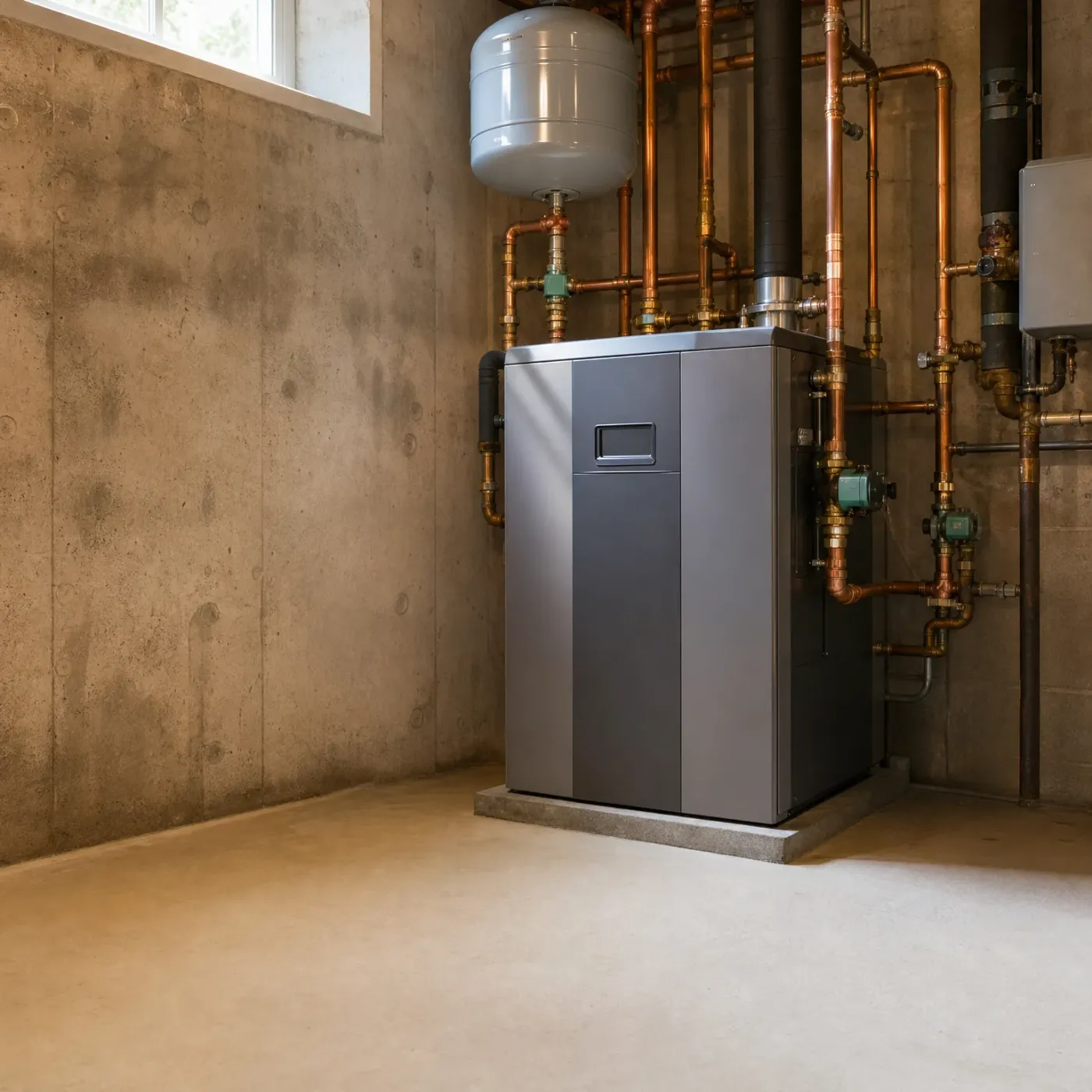
A boiler running right keeps its gauge in the same spot day after day, usually between 1 and 1.5 bar when the system is cold. The pumps and valves stay dry, and you only top off the pressure once in a long while, if ever.
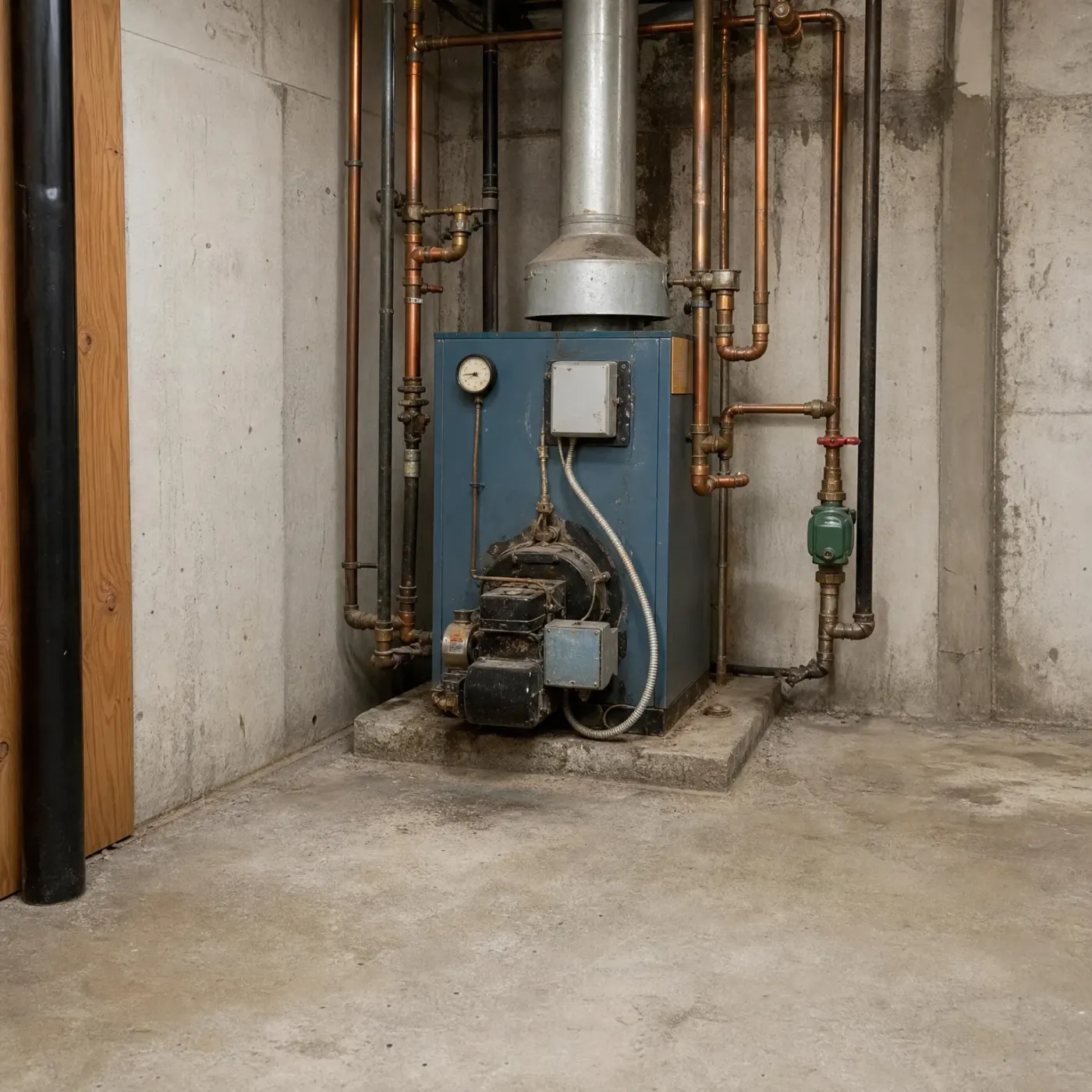
If the needle keeps sliding back down within days of refilling it, water is leaving the system somewhere. Check the floor under the boiler and around nearby pipe joints for damp spots or mineral staining, a sign of where it's getting out.
You've probably noticed the gauge creeping down again, maybe a week or two after you last bled a radiator or topped it up at the filling loop. You might see a damp patch near a pipe joint or under the boiler itself, or hear a faint hiss when the house is quiet. Some find a small puddle on the floor near the unit, or rust starting to show on a fitting. Left alone, a slow leak like this doesn't fix itself. The system keeps drawing in air to replace what's lost, which can mean cold spots in radiators and a pump working harder than it should, even through a mild Hidalgo County winter.
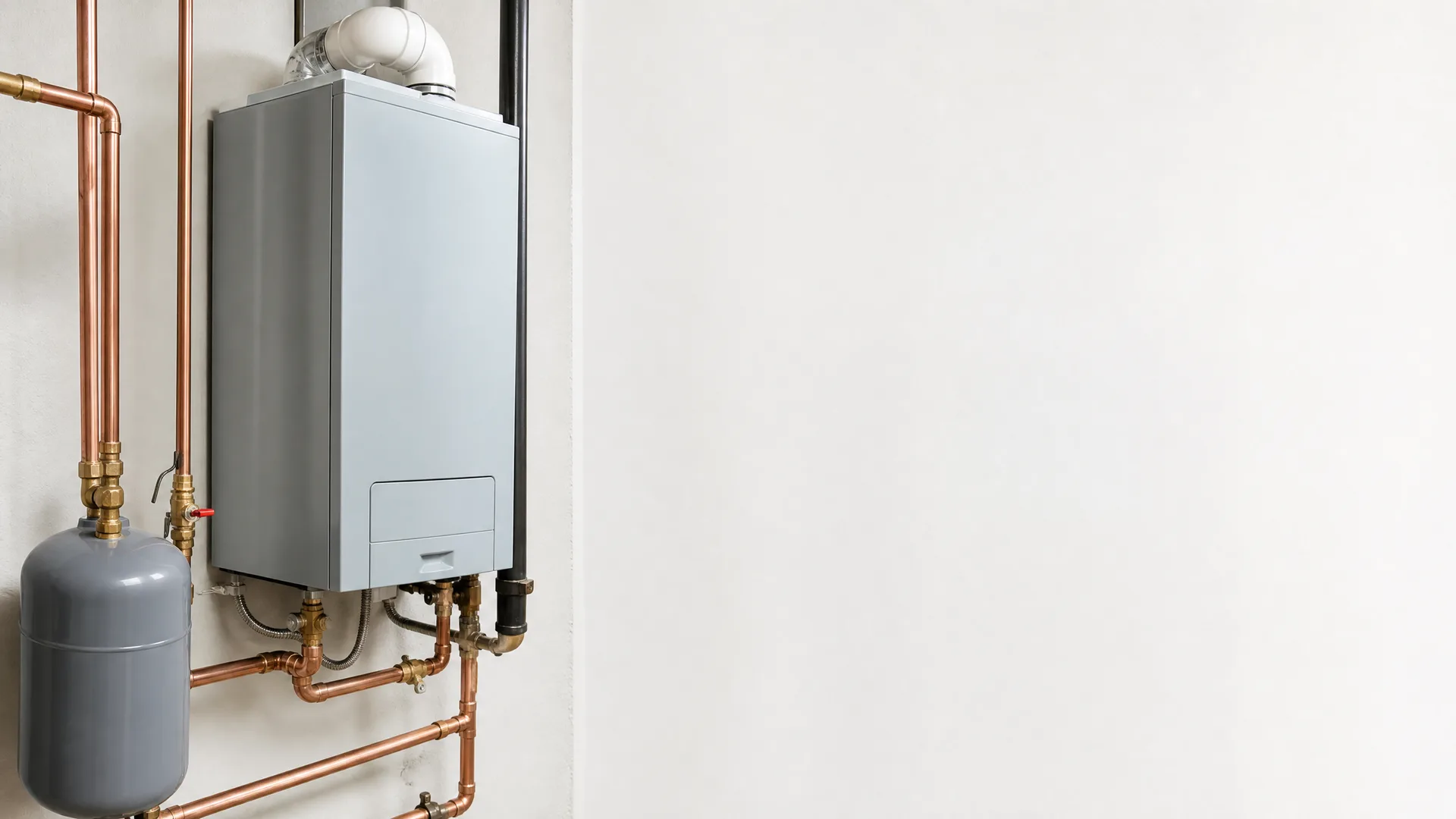
Most of the time it isn't dripping on the floor where you'd spot it. A pinhole leak at a pipe joint can let water escape slowly enough that it evaporates before it pools, or it seeps into insulation or a wall cavity and never shows on the surface. A pressure relief valve that weeps only under heat can do the same thing, venting a little water each time the boiler fires and drying up by the time you check it.
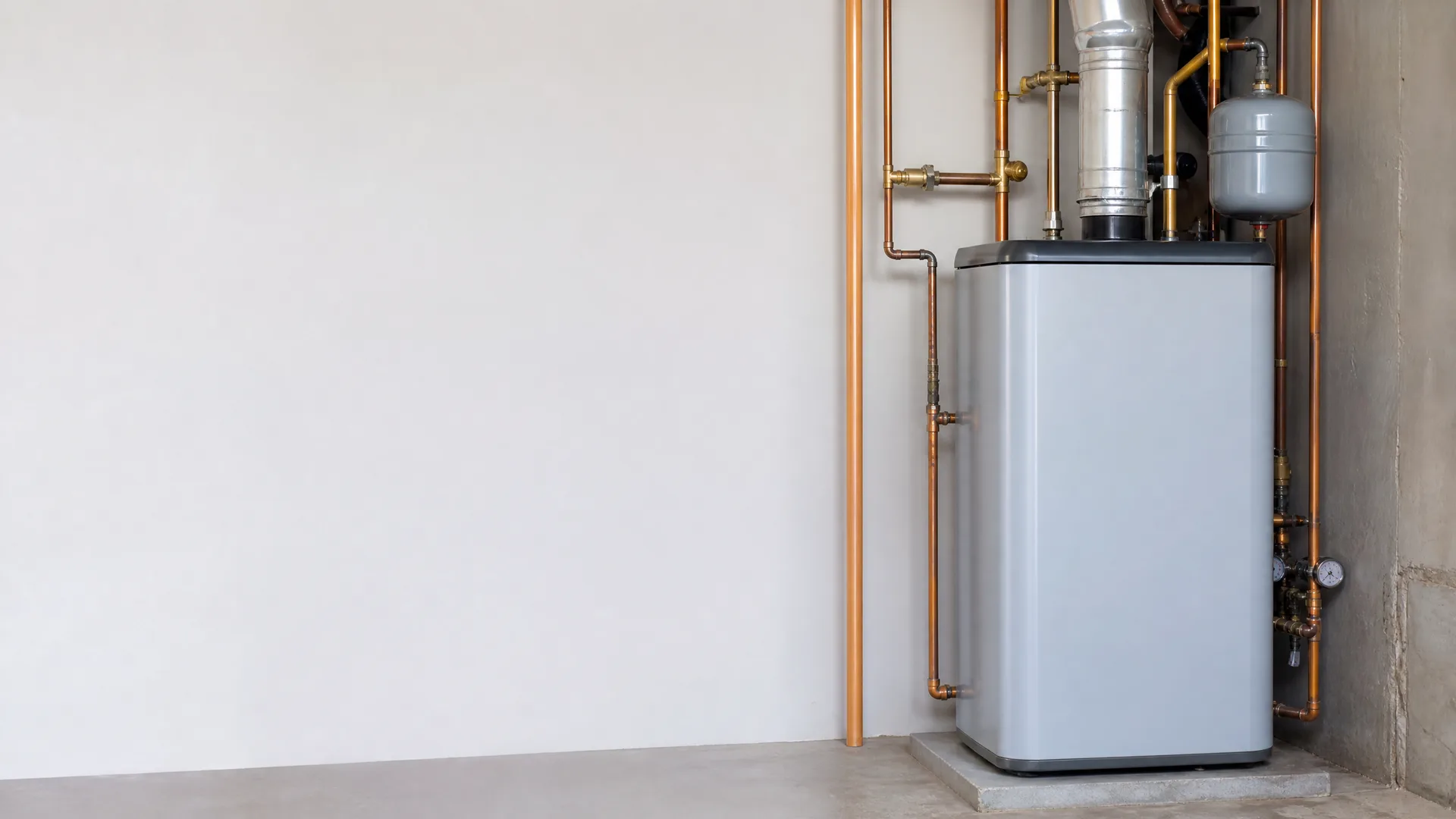
Once pressure drops low enough, air can get pulled into the system through the same spots water is getting out, or through an automatic air vent that isn't sealing right. Air doesn't compress the way water does, so a system with air in it won't hold pressure the way it should even if the leak itself is small. That's part of why topping off the gauge only holds for a few days instead of fixing the problem.
You keep catching it before it shuts the system down, topping off the pressure every so often so the boiler keeps running. It seems manageable, so it's tempting to leave it alone until it becomes a bigger problem. But you're wondering whether letting it ride actually costs you something, whether the boiler is quietly wearing out while you're just keeping the gauge in the green.
Running low on water means the boiler is pulling in air to make up the difference, and that air doesn't just sit there quietly. It collects in the pump and in the heat exchanger, and metal surrounded by air instead of water heats unevenly and corrodes faster. A pump running dry, even briefly, wears its seal down each time it happens. None of this shows up right away. It shows up as a pump that fails earlier than it should, or a heat exchanger with a crack where air pockets let one spot run hotter than the rest. Topping off the pressure keeps the boiler running. It doesn't stop the wear underneath, which is why the leak itself still needs finding.
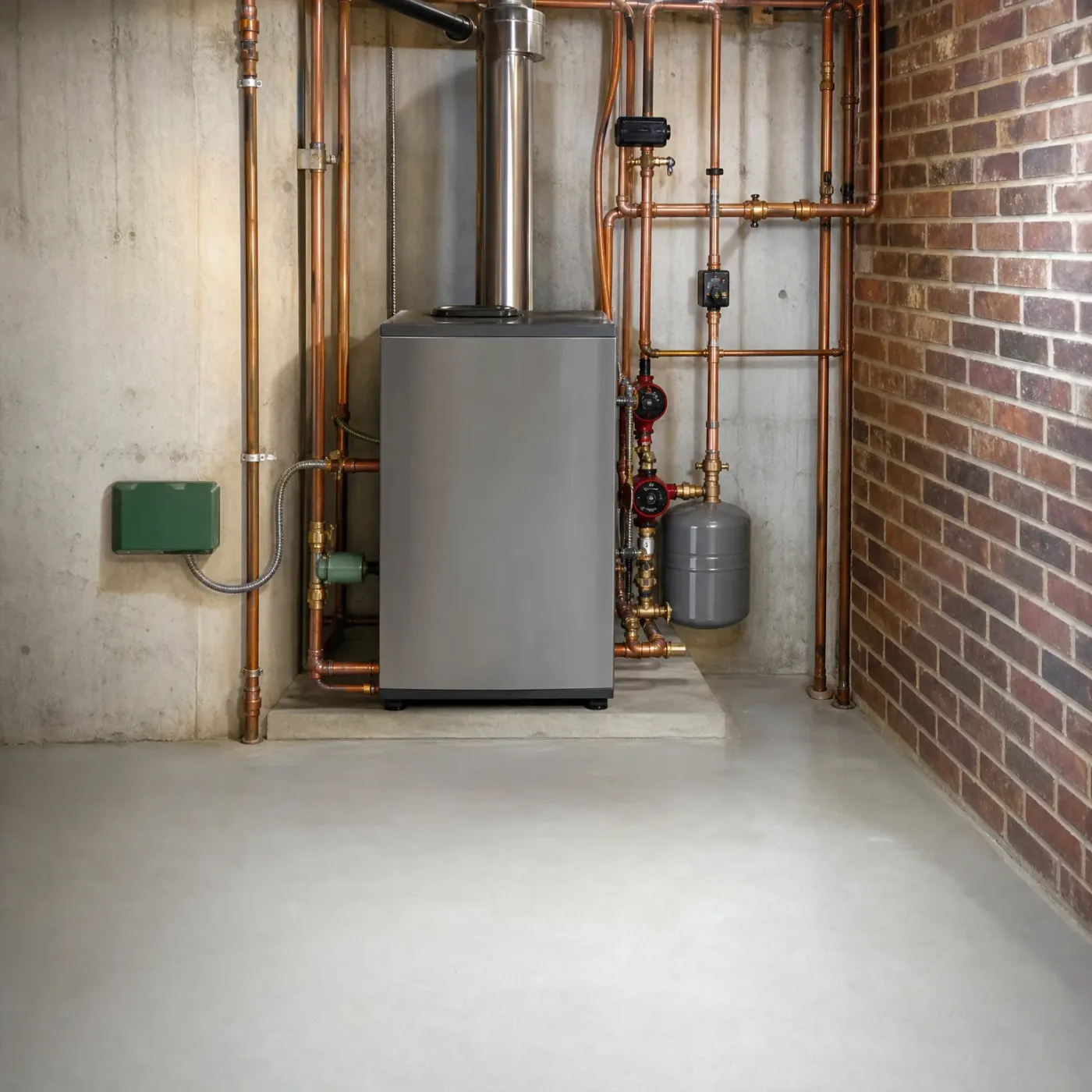
This is a system holding pressure. The gauge sits steady, the pipe joints and fittings stay dry, and the expansion tank is doing its job of absorbing the water's expansion as it heats. No one has had to touch the filling loop in months.
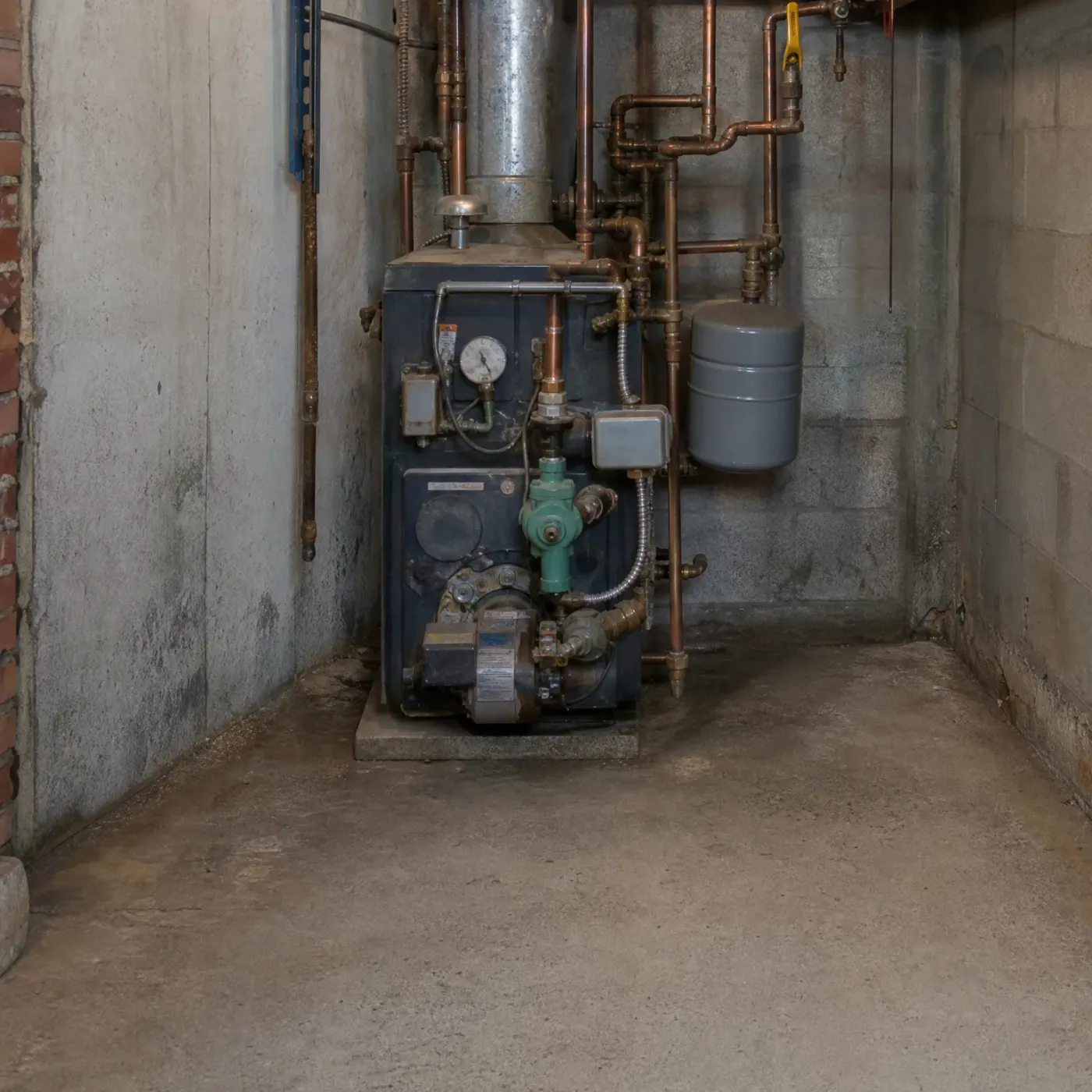
This is a boiler someone keeps having to top off. Check the gauge, the pump, the joints behind it for dampness. A slow leak at a fitting or inside the boiler itself can drain the system quietly, long before it drops low enough to shut things down.
Winter nights average 51°F
Winter nights here average 51°F, so the system never faces a hard freeze that would stress pipes or fittings and cause a leak on its own.
Heat runs December through January
Heat only runs from December through January here, so a slow leak has far fewer days of pressure cycling to show itself before spring.
90.6% of homes heat with electricity
90.6% of homes in the county heat with electricity, which means most of these boilers are electric, not gas, and leaks tend to show up at fittings and valves rather than a burner or flue.
NOAA nClimDiv 1991-2020 · ACS 2020-2024




A boiler in a house that heats with electricity most of the year still needs to hold its pressure whenever it does run, through December and January. It won't fail on its own just because the weather here is mild. A slow leak or a stuck valve doesn't care what season it is, and the gauge will keep dropping until someone finds where the water or air is getting in or out. Topping it off yourself buys time, not an answer. A contractor who works on boilers in Hidalgo County can pressure test the system, find the leak, and tell you whether it's a fitting, a valve, or something inside the boiler. Sending the request means you stop guessing at it on your own, and someone who does this for a living takes it from here.
You can keep a boiler running for a while by refilling it at the filling loop every time the gauge drops. It buys time, and the house stays warm that night. But the water going in has to be going out somewhere, or air is getting in through the same gap. Each refill dilutes the inhibitor in the system, which leaves the pipes and the boiler itself more open to corrosion. You're also not looking at the leak itself, just the gauge, so a small drip at a joint can keep going for months without anyone spotting it.
A contractor can pressure test the system and trace where the water is actually going, whether that's a joint, a valve, or something inside the boiler. Once the source is found, it gets repaired instead of worked around, and the gauge holds on its own without you touching the filling loop every week. It also means whatever's been losing inhibitor gets caught and corrected before it causes more wear. The system goes back to being something you don't have to think about between December and January, instead of something you're managing by hand.
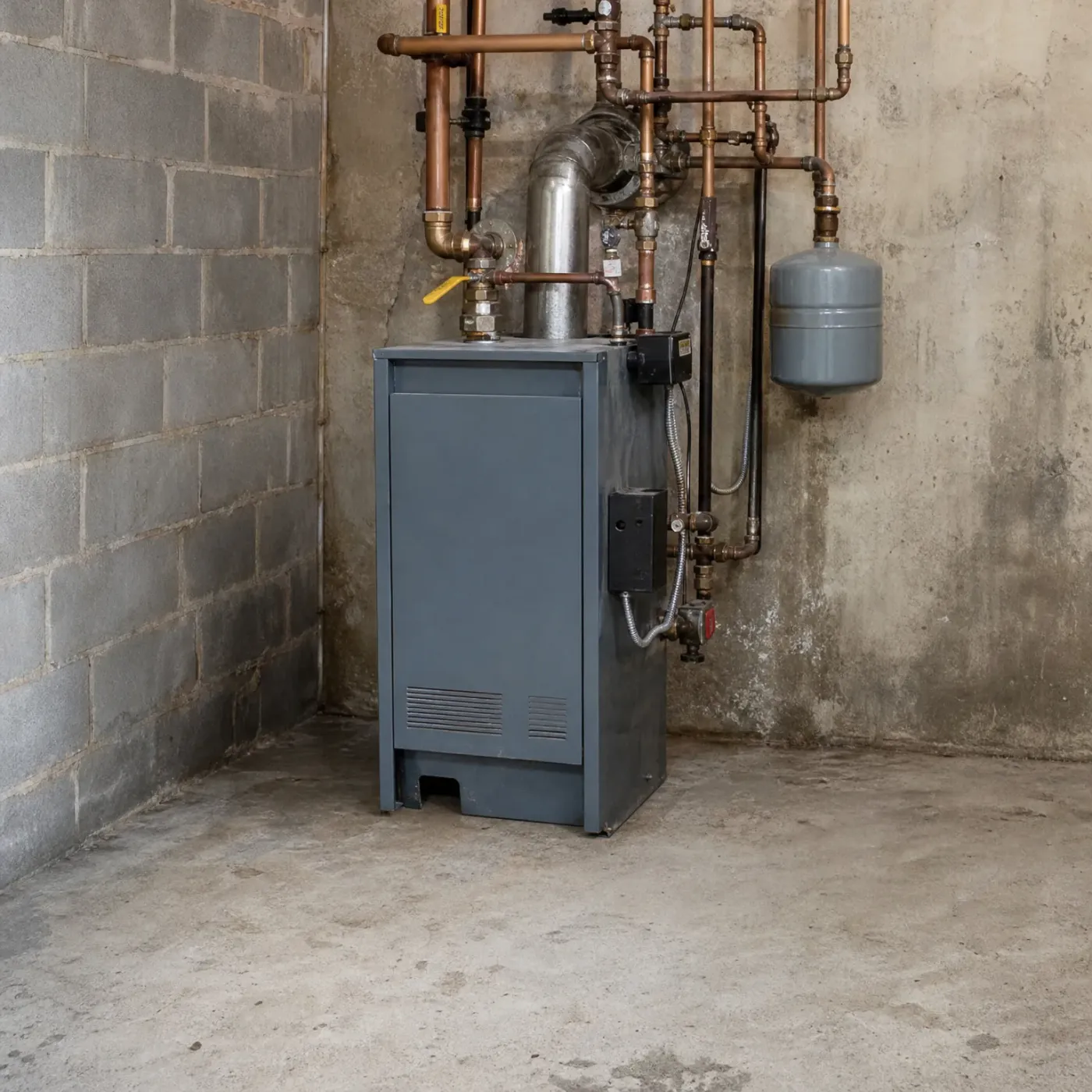
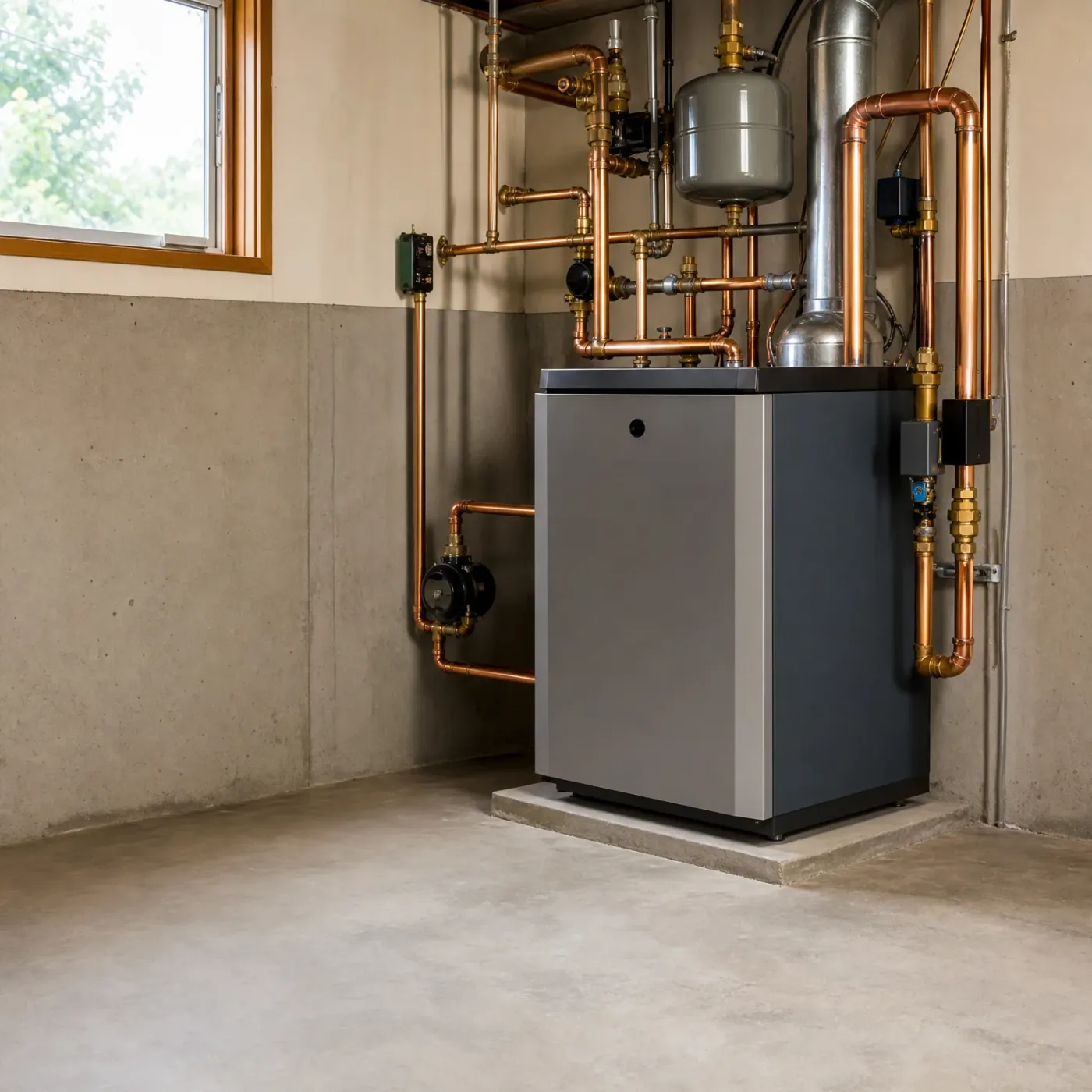
You can keep the house warm for a while just by catching the gauge every time it drops and refilling at the filling loop. That works until it doesn't. Each refill puts fresh water into the system, and fresh water carries oxygen, which leaves more inside the boiler to work on the metal than was there before. If the loss is small you might go weeks between refills, but the pressure will keep dropping, and you still don't know whether it's a slow drip at a joint or a valve that isn't seating right. The gauge only tells you pressure is low. It doesn't tell you where it's going.
A contractor checks the system under pressure, looks at the usual places water escapes, the pipe joints, the pump seal, the pressure relief valve, and the boiler itself, and also checks whether air is getting in through a loose automatic air vent rather than water getting out. That tells you whether you're looking at a worn seal, a valve that needs replacing, or something more minor. Once the source is found, the repair is usually straightforward. You stop refilling the system every few days, and you stop wondering whether the next drop in pressure is the one that shuts the boiler down overnight.
A low of 51°F doesn't put much strain on your boiler or its pipework, nothing close to a freeze that could crack a fitting. So if your gauge keeps dropping, the mild nights aren't the reason. Something in the system is letting water or pressure out on its own.
NOAA nClimDiv 1991-2020

Your boiler is losing pressure because water is getting out, or air is getting in, somewhere in the system. Not the mild winters here, not the gauge itself. A leak at a joint, a worn seal, a valve that won't hold. Topping it off buys you a warm house for a while, but it doesn't touch whatever is actually letting the pressure go.
Finding that spot means someone looking at the pipework, the valves, and the boiler itself, not just the number on the gauge. Once you send the form, that part stops being on you. A contractor who covers McAllen and the rest of Hidalgo County gets your details and reaches out, and from there it's a question of them tracking down the leak, not you guessing at it every time the gauge creeps down again.



A gauge that keeps dropping has a cause somewhere in the system, and finding it usually takes someone who can pressure test the pipework and check the valves and seals one by one. That's what a repair gets you. Once you send the form, you're matched with a contractor who handles boilers like yours, and they'll reach out to sort out the leak or the stuck valve behind it. You stop chasing the gauge and hand the problem to someone who can actually find where the water's going.
Get the boiler repair search off your mind today.
It costs nothing to send, and you don't have to hire anyone.