Boiler keeps shutting off in Denton, TX

After this form, you can stop searching for a boiler pro.

Hand it over

Why does my boiler keep shutting off?

A boiler that shuts off on its own, sometimes a few minutes after it starts, sometimes after it's run a while, usually means it's tripping a safety switch rather than failing outright. Boilers are built to shut themselves down the moment something isn't right, and in a mild climate like Denton's, where the boiler isn't running constantly, low water pressure, a stuck flow switch or a blocked vent are common causes.

It's shutting off because a safety control is tripping

Boilers have safety switches that cut power the moment something is off, low water pressure, a failed flame sensor, a blocked vent, or water that's overheating past the limit switch. The boiler isn't broken in the sense of refusing to run. It's stopping itself on purpose. Since most homes around Denton heat with electricity and lean on the boiler less than homes further north, a boiler here can sit unused for days between cold snaps, and pressure can drop or a part can stick without anyone noticing until the next cold morning it won't stay lit. A technician checks the pressure gauge, the vent, and the igniter or flame sensor to find which safety tripped and why.

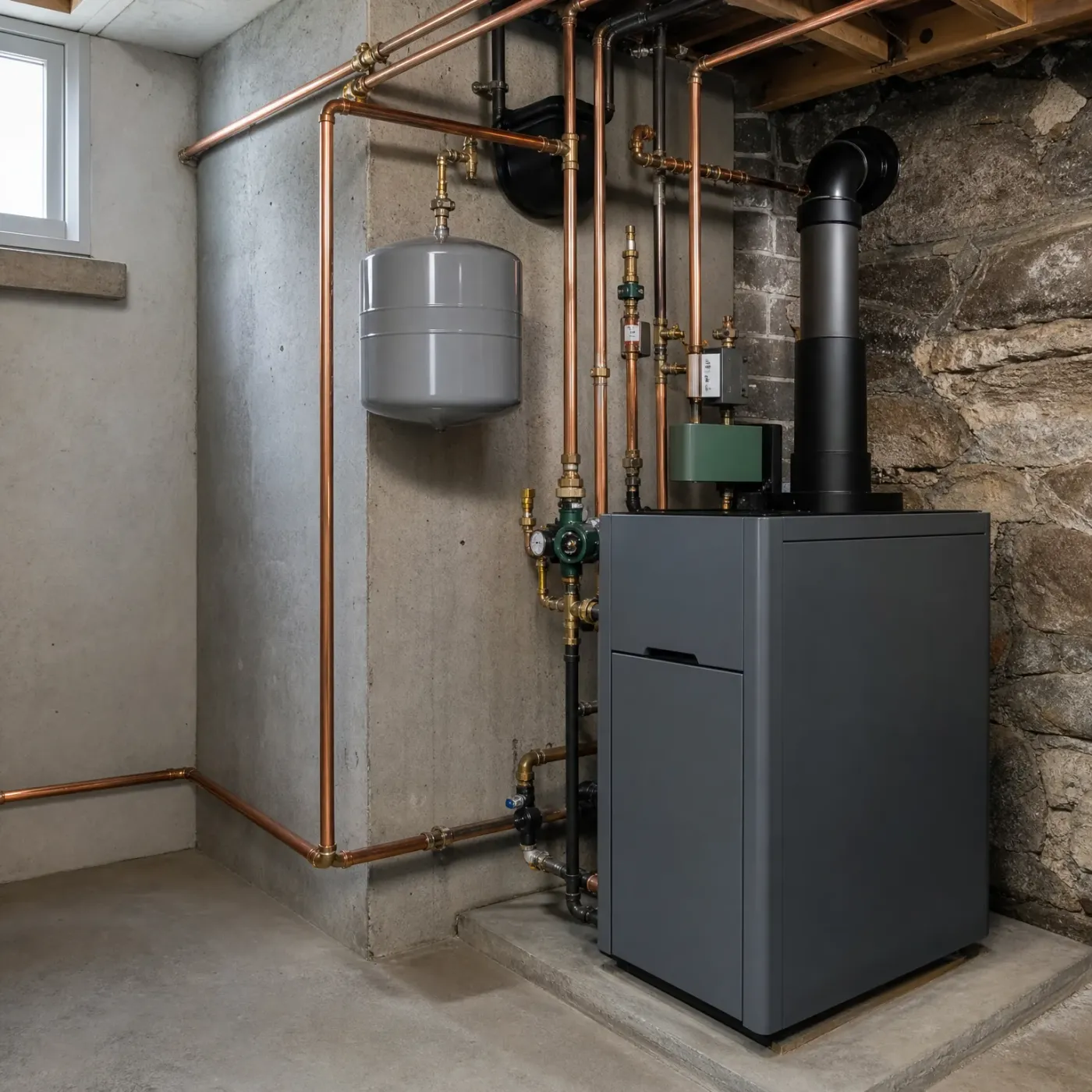
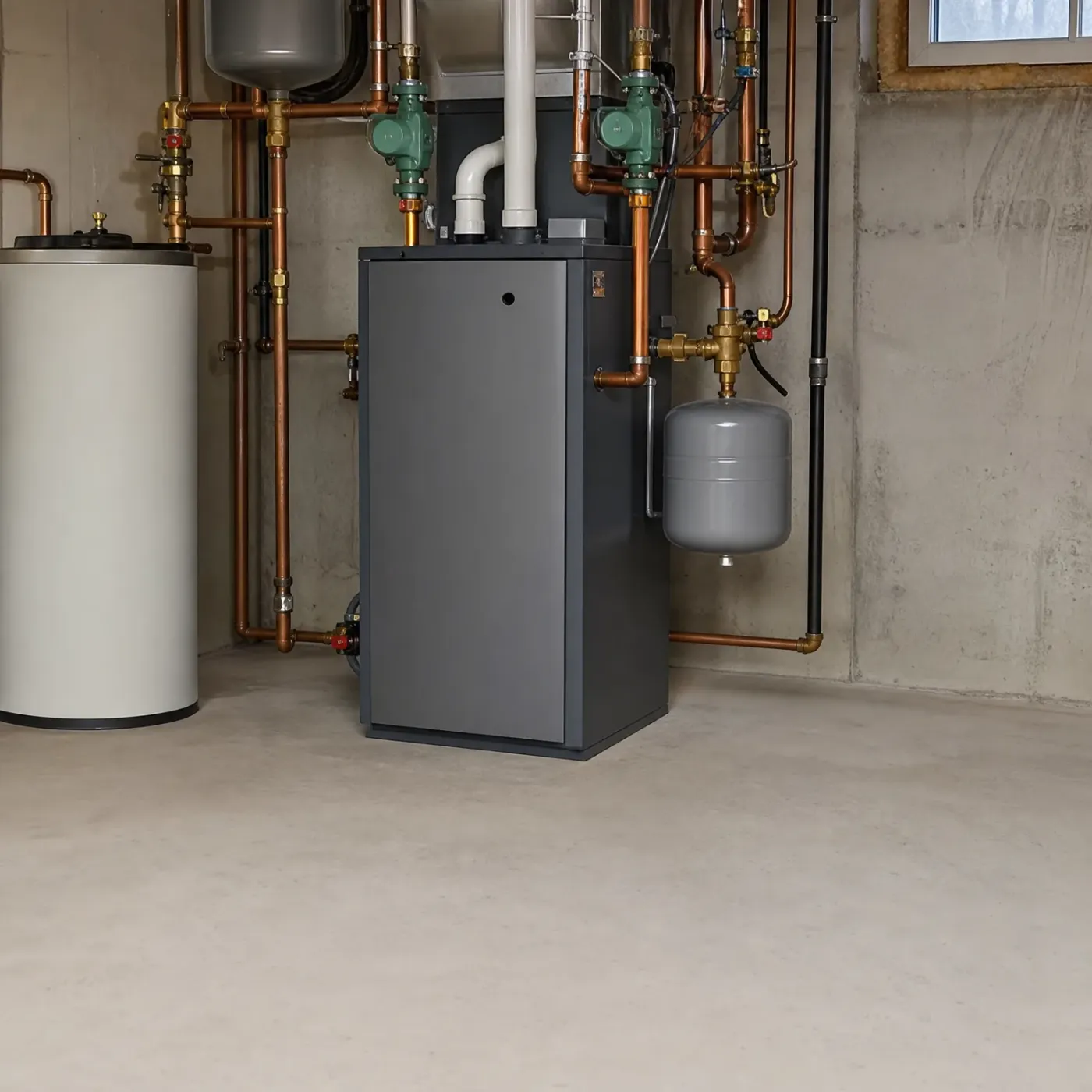
A gray boiler on a concrete pad in a basement, connected to copper piping, valves, circulator pumps, a metal flue, and a wall-mounted expansion tank.

Running the way it should

A boiler that's firing correctly cycles on, satisfies the thermostat, and shuts off on its own schedule. The pumps run quiet, the pipes stay sound, and the flue draws steady with no delay or repeated clicking before ignition.
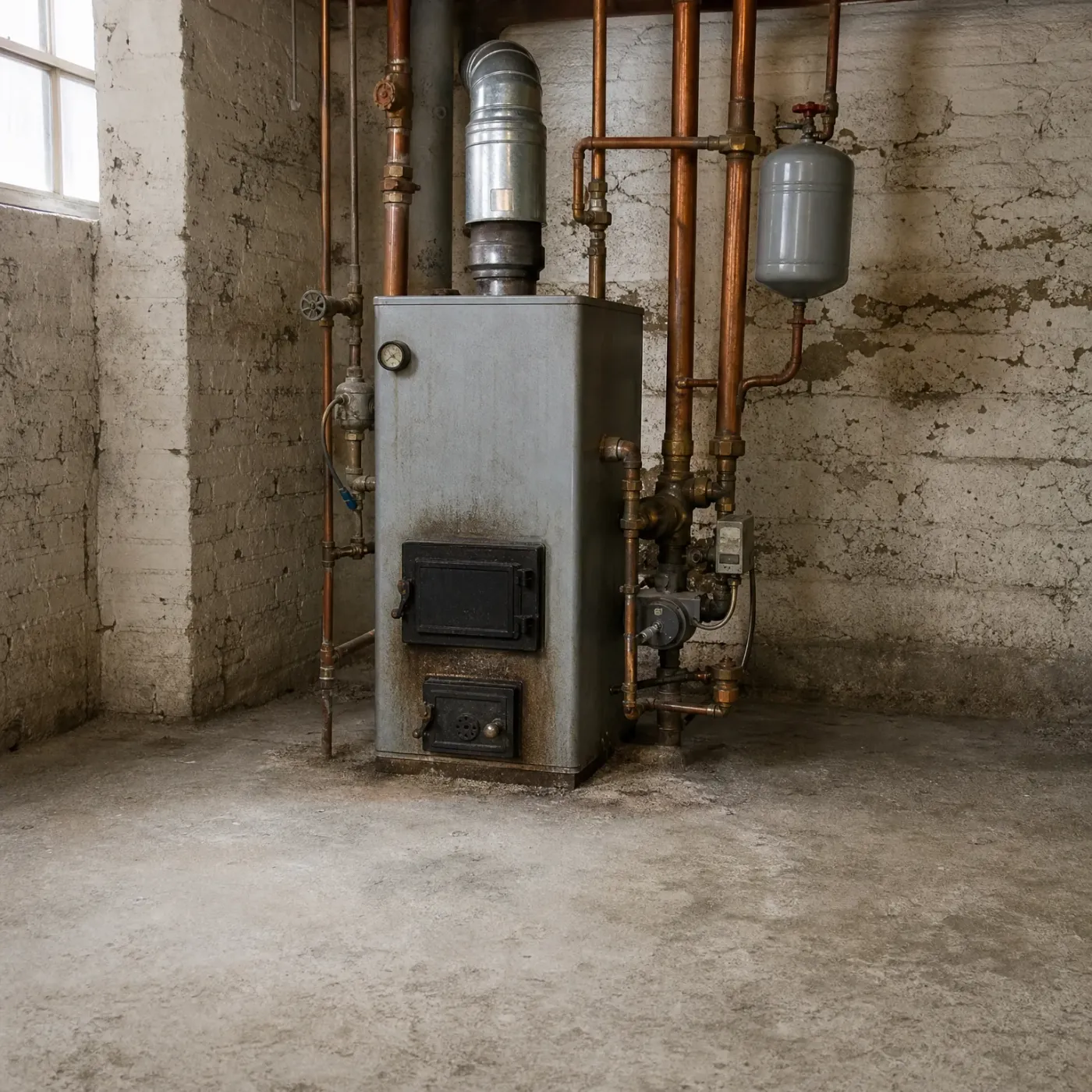

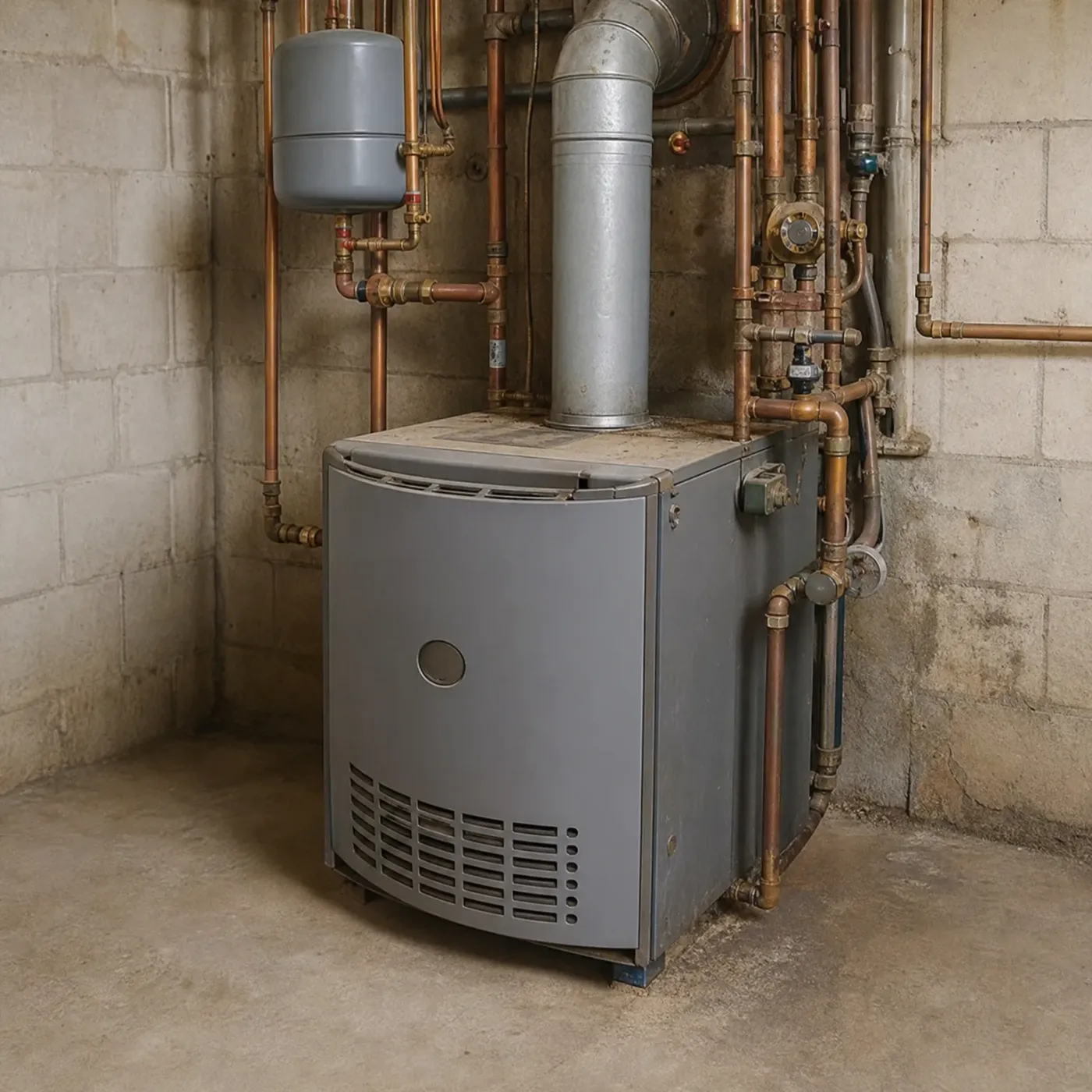
An old gray boiler with copper piping, a flue duct, pressure gauge and an expansion tank stands in the corner of a basement with painted masonry walls and a bare concrete floor.

Shutting off before it should

A boiler that trips early usually has a reason behind the switch. Low water pressure, a draft problem at the flue, or a sensor reading hotter than the water really is will all shut the burner down before the room warms up.

Why does a Denton boiler trip off so much in winter

  • Winter nights average 36°F

    Winter nights here average 36°F, so a boiler that's cutting out still has real work to do most nights, not just on the rare cold snap.

  • Heat runs November through March

    Heat runs November through March in Denton County. A safety switch that trips once can keep tripping across five straight months of use.

  • 54.2% of homes heat with electricity

    54.2% of homes here heat with electricity, not gas or oil. A boiler shutting off on you is already running on the less common setup for this area.

NOAA nClimDiv 1991-2020 · ACS 2020-2024

What a safety switch actually does

A boiler has more than one switch watching it. A low water cutoff checks there's enough water in the boiler to heat safely. A high limit switch checks the water isn't getting too hot. A flame sensor checks the burner actually lit and stays lit. Each one is wired to kill power to the burner the moment something's off, before it turns into a bigger problem. So when the boiler shuts off on its own, one of these switches did its job. The question isn't whether the safety worked. It's why it got tripped in the first place, and that's what a contractor traces by checking water level, pressure, and flame signal in order.

Why pressure drops matter here

Most boilers want to sit around 12 to 15 psi when the system is cold. If pressure keeps drifting below that between repairs, there's water leaving the system somewhere, through a relief valve, a fitting, or a leak in the piping. A boiler that's low on pressure will often shut down well before it overheats, because the low water cutoff is doing exactly what it's supposed to do. Topping off the pressure by hand can get the heat back on for a night, but if it drops again within a week, something is letting water out, and that part needs finding, not just refilling.

A man with greying hair in a dark green sweater sits on a light sofa in a sunlit living room, looking off to the side, with a large window, table lamp, framed art and white built-in shelves behind him.
A gray-haired man in a dark navy sweater sits on a light sofa in a living room, looking toward a sunlit window with a houseplant and wooden cabinet behind him.
A gray-haired man in a dark green ribbed sweater sits on a light sofa in a living room, looking toward a sunlit curtained window with a potted plant and lamp nearby.
A middle-aged man with gray hair and a beard, wearing a dark green sweater, sits on a light sofa in a sunlit living room with large windows, a potted plant, and a dining area in the background.
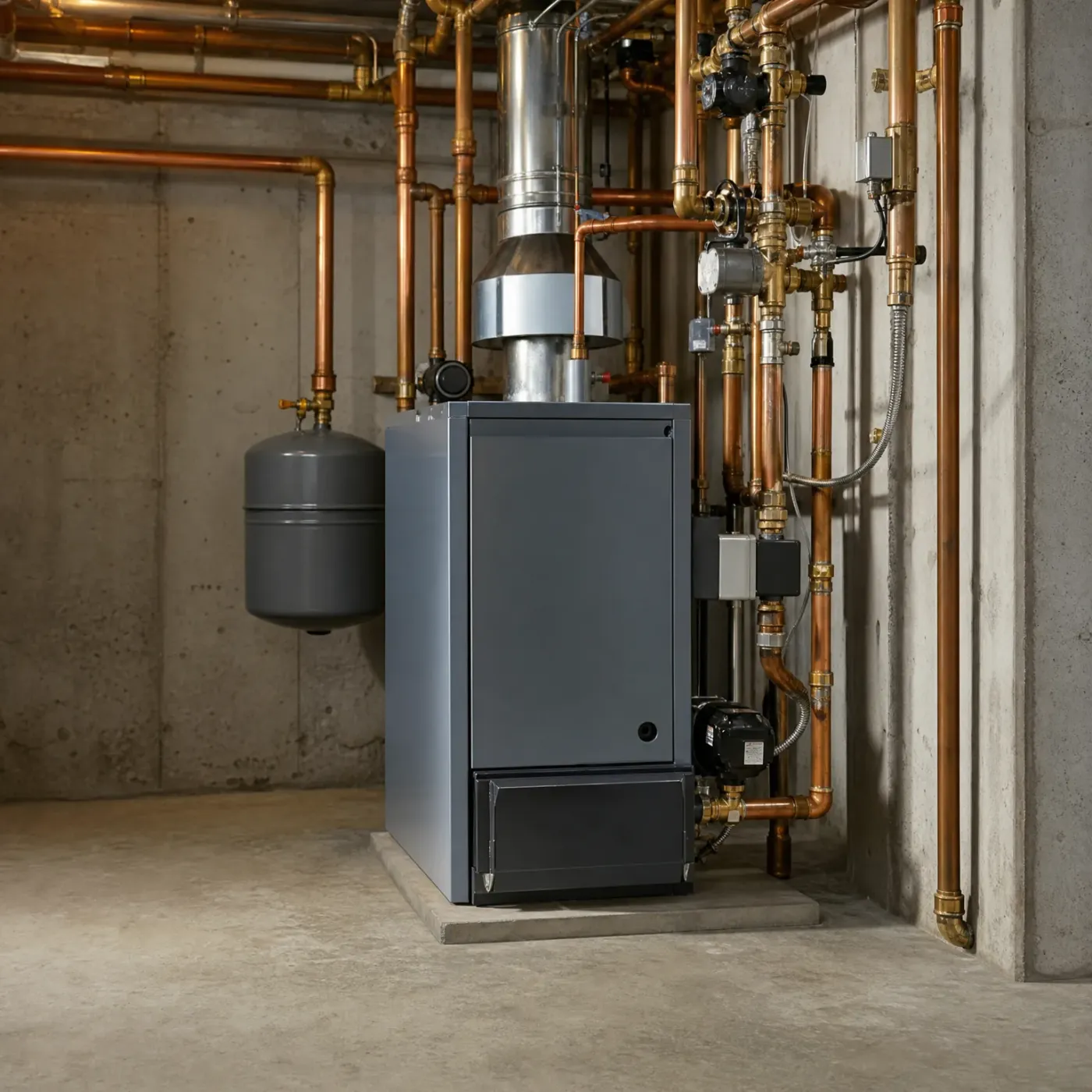
A gray floor-standing boiler with a black flue pipe stands on a concrete pad in a basement corner, connected to copper and black piping, valves, a circulator pump, and a gray expansion tank mounted on a concrete wall beside a stone wall.

Finding a pro stops being your job

A licensed pro who repairs boilers in Denton County gets your request.

One request and the search for a pro is handled.

Hand off my repair

Asking costs nothing, and the choice to hire stays yours.

What are you noticing when it shuts off

You probably hear it before you think about it. The burner kicks on, runs for a bit, then goes quiet well before the house feels warm. Sometimes it clicks a few times trying to relight and doesn't catch. Radiators or baseboards that were warm start cooling off faster than they should, and a room that was fine an hour ago feels cold again. You might notice a faint burning smell near the unit, or water on the floor underneath it. None of that means the boiler is done. It means something inside it is tripping a switch meant to protect it. Left alone through a Denton winter, that same switch can trip more often as the part behind it wears, and the house ends up colder on the nights it's trying hardest to keep up.

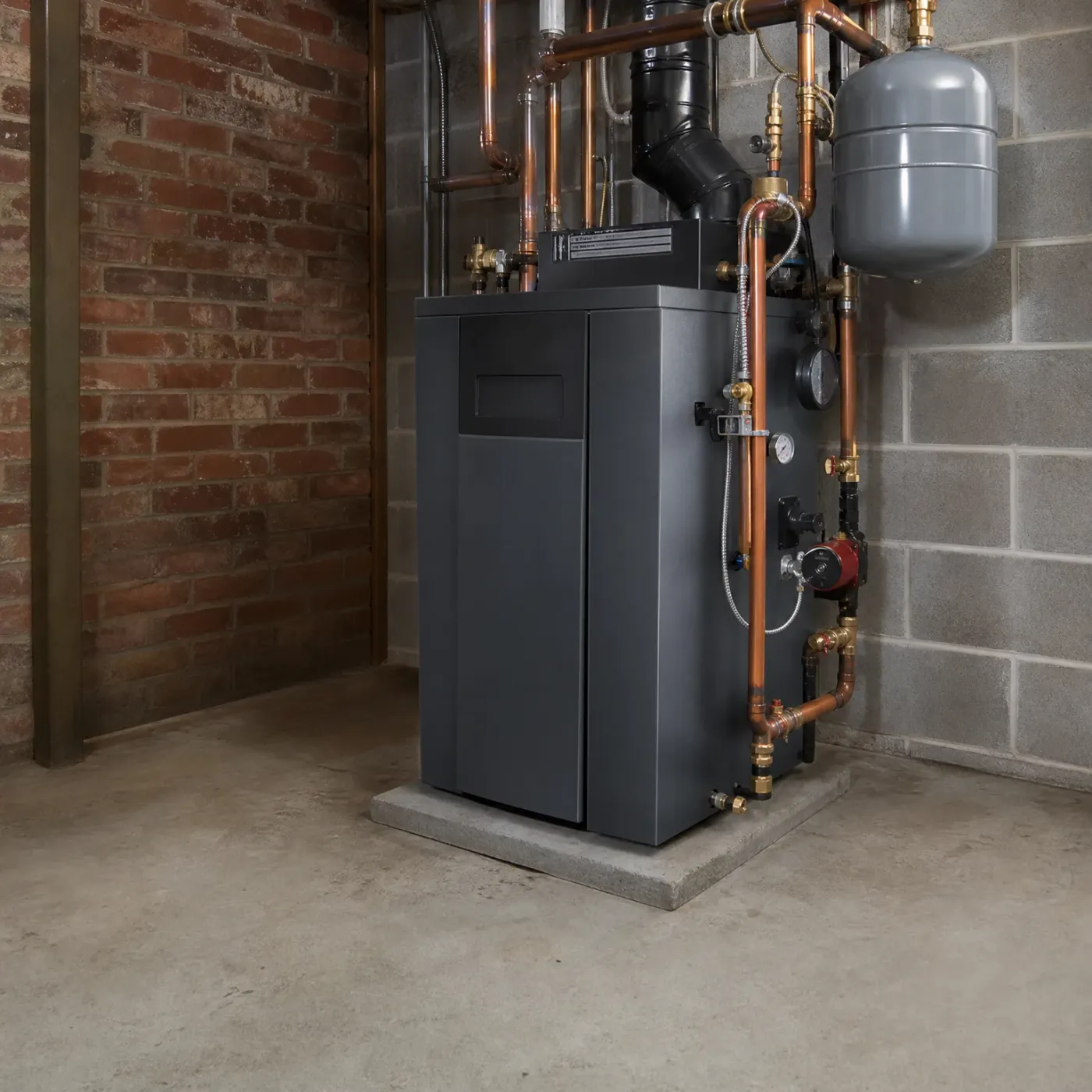
A dark gray floor-standing boiler on a concrete pad in a basement, connected to copper piping, valves, a circulator pump, a gauge, a black flue pipe, and a gray expansion tank, with a brick wall on the left and concrete block wall behind.

Firing and holding

This is a boiler running the way it's piped to run. The gauges sit where they should, the expansion tank holds its charge, and the burner stays lit until the thermostat's satisfied. Nothing's clicking or cutting out early. It just heats.

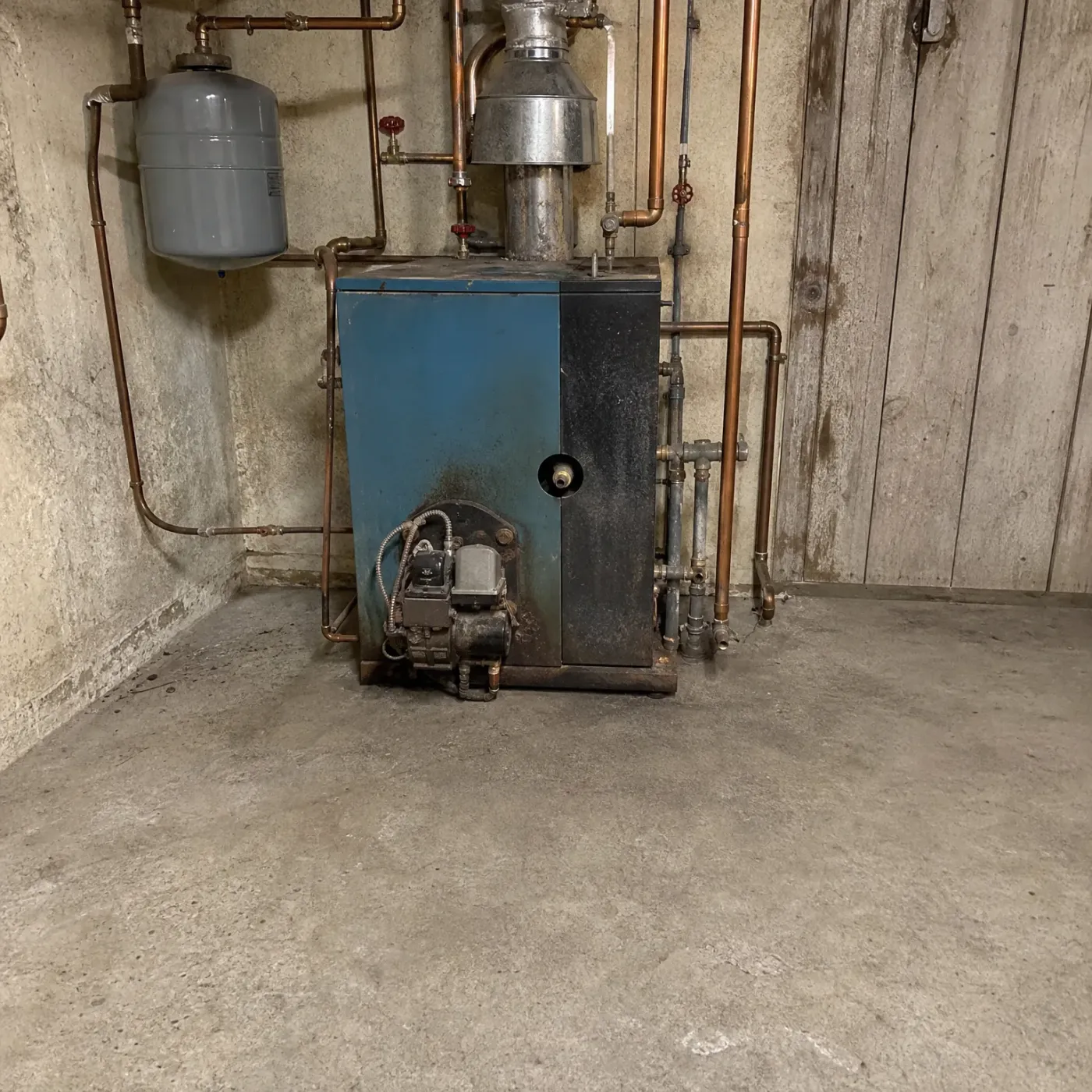
A blue and black boiler with a burner unit, flue, expansion tank and copper and steel piping stands on a concrete basement floor against a concrete wall and wooden plank partition.

Tripping before it finishes

This one shuts off partway through the cycle and stays off until something resets it. That's a safety switch doing its job, not the boiler failing on its own. Left alone, it keeps happening on the nights you need the heat most.

Call for repair or wait it out

Call for repair

  • The boiler trips off more than once in the same day, or trips again within minutes of being reset.
  • Water is leaking somewhere around the boiler, on the floor, from a valve, or from a pipe joint.
  • The burner makes repeated clicking sounds trying to light and doesn't catch, or catches and then cuts out again.
  • Radiators or baseboards stay cold or only get lukewarm even when the boiler is running.
  • You smell gas near the unit, or see soot or scorch marks around the burner or flue connection.
  • The pressure gauge reads outside the range marked on the boiler, either too low or too high.

Wait and watch

  • It's tripped once, it reset on its own or with a simple press of the button, and it's held steady since.
  • The house is reaching the temperature you set it to, even if the cycle felt a little off.
  • There's no water on the floor, no gas smell, and no soot around the burner.
  • The pressure gauge sits inside its normal range and hasn't moved since you checked it last.
  • It happened during an unusually cold stretch and hasn't repeated since the weather warmed back up.
A gray residential boiler with a metal flue pipe stands in a concrete-block basement corner, surrounded by copper piping, valves and a gray expansion tank.
Before you get your boiler repair
A dark gray floor-standing boiler in a concrete-walled basement, connected to copper piping, circulator pumps, a gray expansion tank, and a cream-colored storage tank to the left.
After you get your boiler repair

A boiler that trips off once and holds after a reset was likely dealing with trapped air or a pressure dip that corrected itself. That's worth watching, not worth panic.

A boiler that trips off repeatedly, even after resetting, has a switch responding to something real and ongoing. Resetting it again won't change what keeps tripping it.

Winter nights average 36°F

At 36°F, your boiler isn't working against a deep freeze, just a steady chill night after night. That's enough for a safety switch to catch a real problem on nearly any night from December through February, not only on the coldest ones.

NOAA nClimDiv 1991-2020

Where this leaves you

  • A boiler that shuts off on its own is tripping a safety switch, not failing outright, and that switch is doing its job.
  • Resetting it once and having it hold points to trapped air or a pressure dip, while repeat trips point to a real fault.
  • Winter nights in Denton County average 36°F, enough to put real load on the system from December through February.
  • Repeated trips, a burner that won't hold, or water around the boiler are reasons to get it looked at rather than reset again.
  • A local contractor who services boilers through the Denton County winter has seen which switch usually trips first on this kind of system.
  • One contractor takes the call, so you're not sorting through several companies to find out what's wrong.

A boiler that shuts off on its own is telling you something through the switch that caught it. One reset that holds usually means trapped air or a pressure dip that worked itself out. Trips that keep coming back mean a switch is responding to something real, low water, high temperature, or a flame that isn't sensing right, and that's not something to keep resetting your way past. Denton County winters sit around 36°F on an average night from December through February, which is enough steady load to expose a weak part even without a hard freeze. That's the pattern worth paying attention to: not the one trip, but whether it happens again.

Once it's past the point of a single reset, a boiler like this needs someone who knows which part on this kind of system tends to go first, because that's what tells a tech where to look before they open the panel. A contractor who services boilers through the winter here has seen this pattern enough times to know what's likely and what's not. When you send the request, it goes to one contractor, licensed and local, not a list of companies competing for the job. You're not fielding multiple calls or explaining the problem five times. You get someone who already knows what a Denton County winter does to a boiler like yours, and who can tell you, once they've looked at it, whether it's the switch, the water, or something else keeping it from running the way it should.

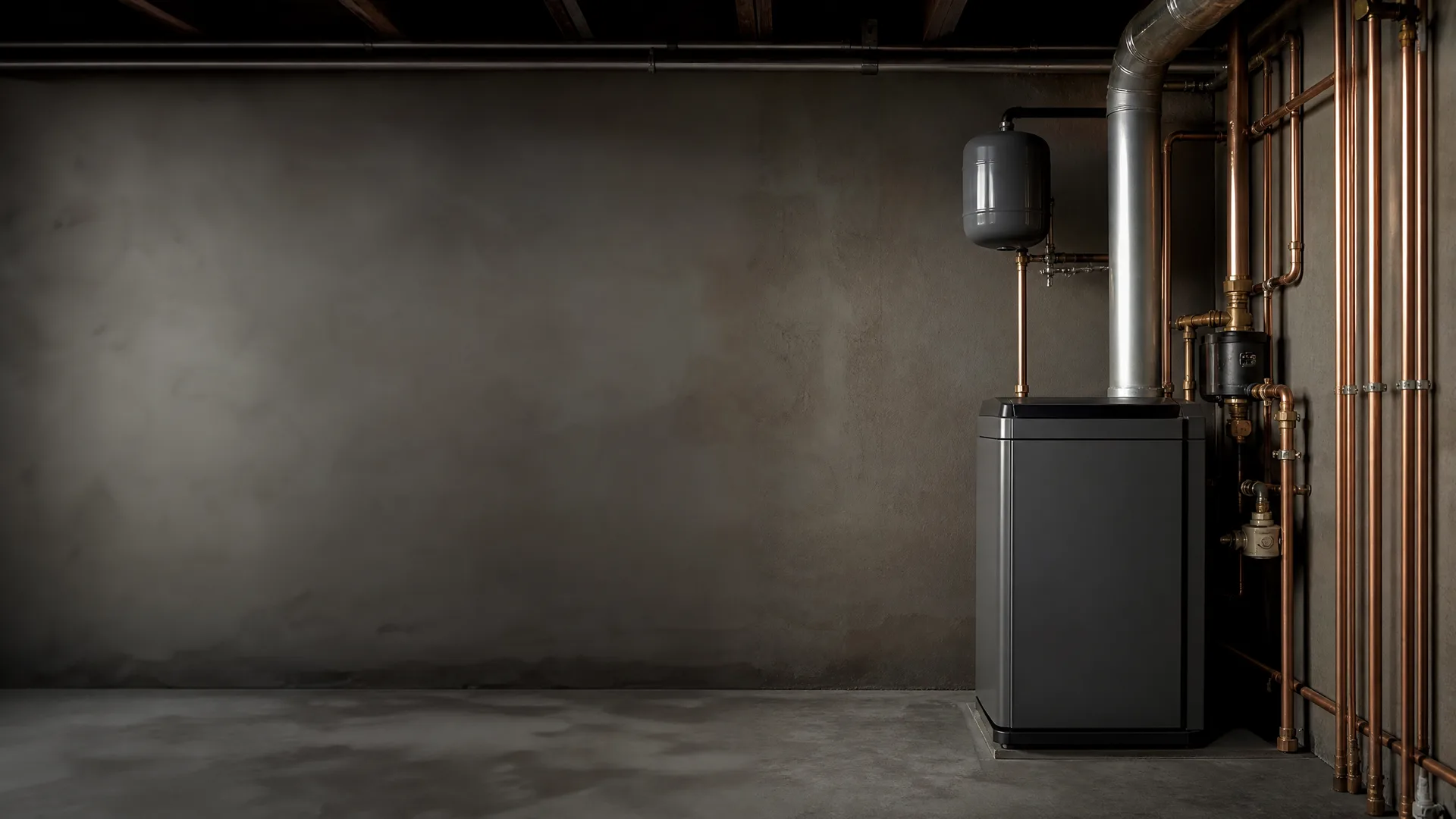
A dark gray boiler unit stands against a bare concrete wall in a basement, connected to copper pipes, a flue duct, and a small expansion tank overhead.

Let someone else find the pro

A licensed pro who works in Denton County gets your request.

Step 1 of 3: Equipment