
Running the way it should
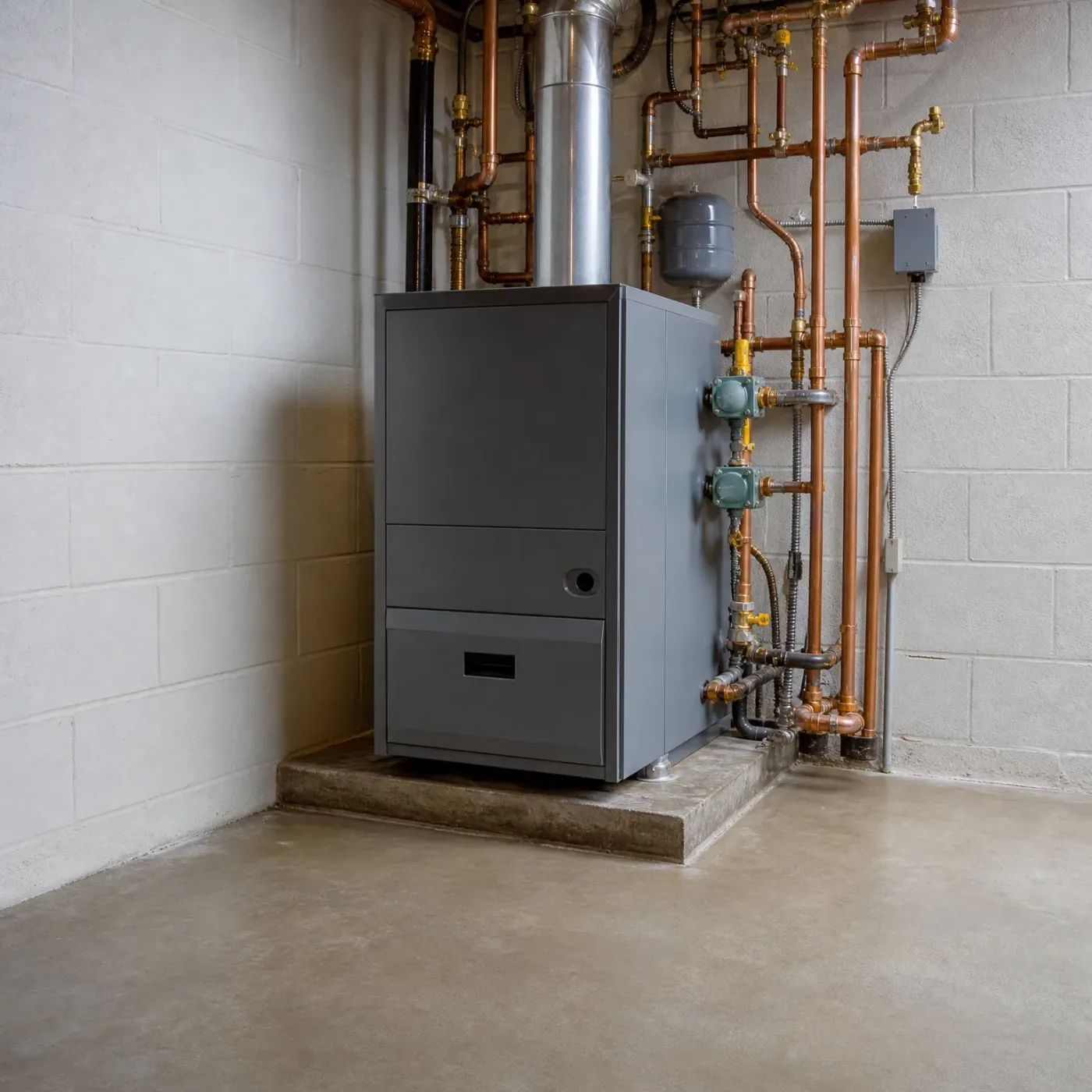
The flame stays blue and steady through the burner window. No soot ring where the flue connects, no rust streaking down the jacket. Pressure holds steady on the gauge and the flue pipe stays tight at every joint.
A boiler that is leaking carbon monoxide usually shows it before anyone feels sick: a yellow or flickering flame instead of a steady blue one, soot or a brown stain around the burner or flue connection, extra moisture fogging up nearby windows, or a stale, slightly sharp smell near the unit. Headaches, nausea or drowsiness that ease up once you leave the house are a sign too, and they matter more than any mark on the boiler itself. This happens when the burner isn't getting enough air to burn gas cleanly, or when the flue isn't venting the exhaust outside the way it should. Most homes here heat with electricity, so a gas boiler is often the one appliance in the house that can produce carbon monoxide, which makes these signs worth taking seriously rather than waiting to see if they pass. If you notice any of them, the boiler needs to be shut off and looked at before it runs again.
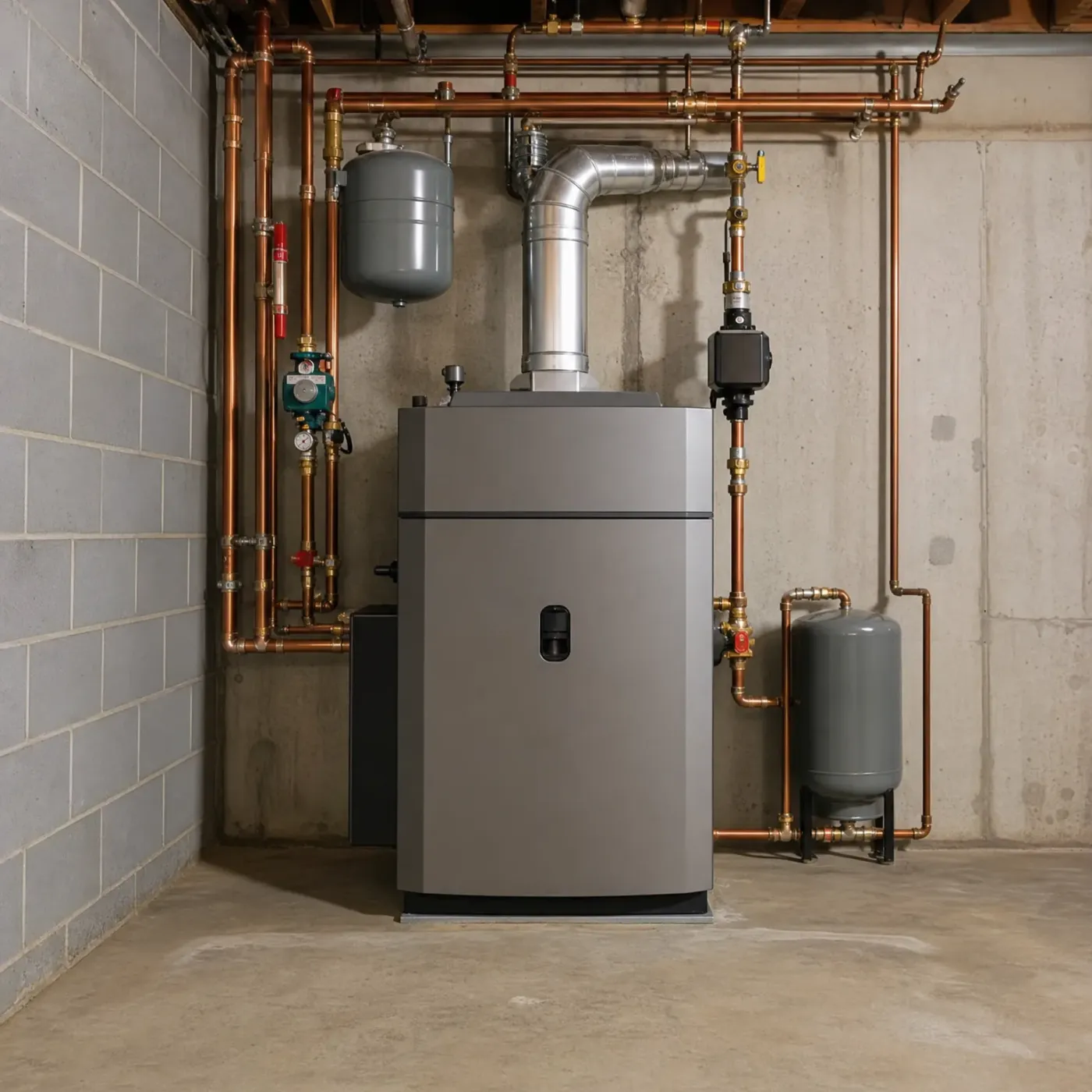
The flame stays blue and steady through the burner window. No soot ring where the flue connects, no rust streaking down the jacket. Pressure holds steady on the gauge and the flue pipe stays tight at every joint.
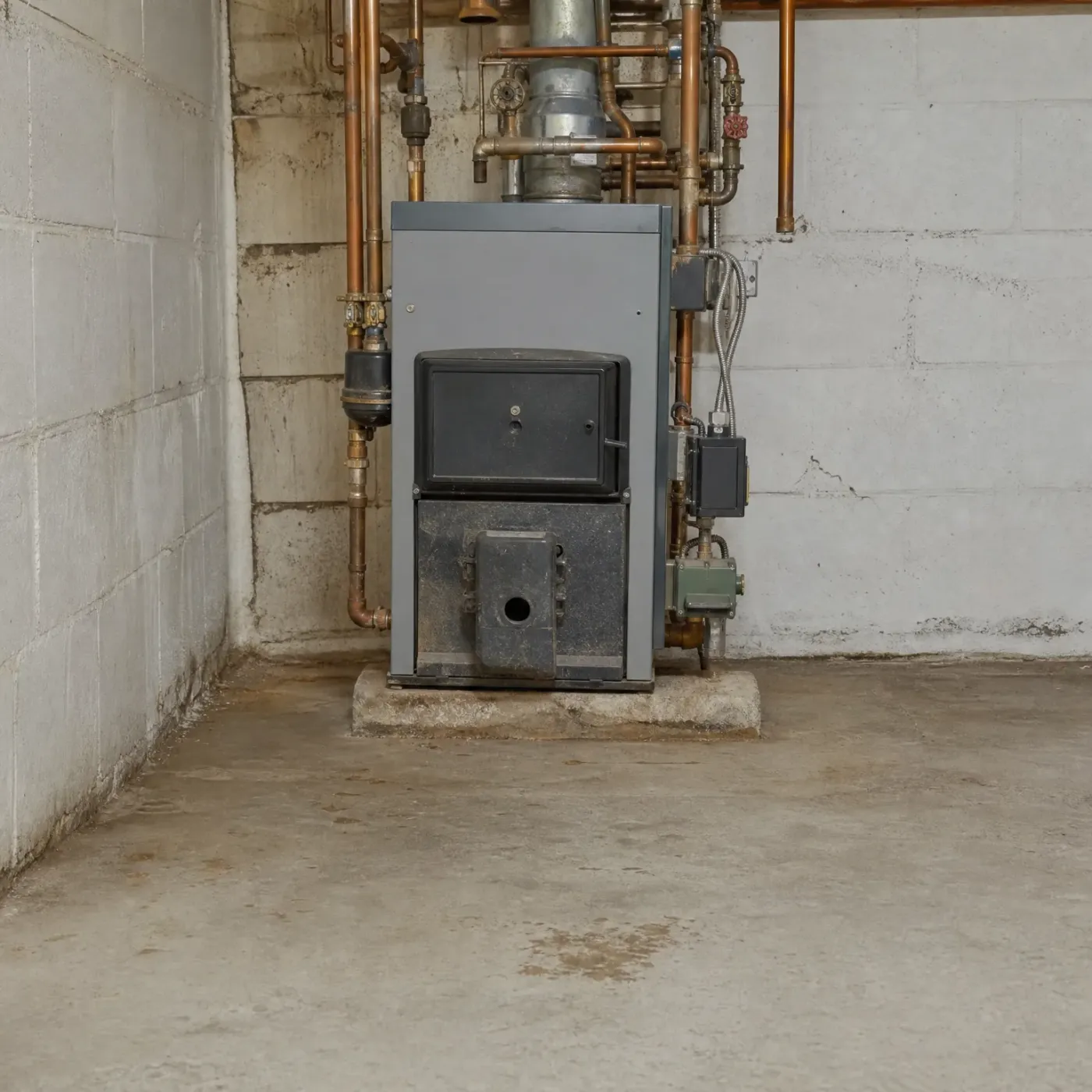
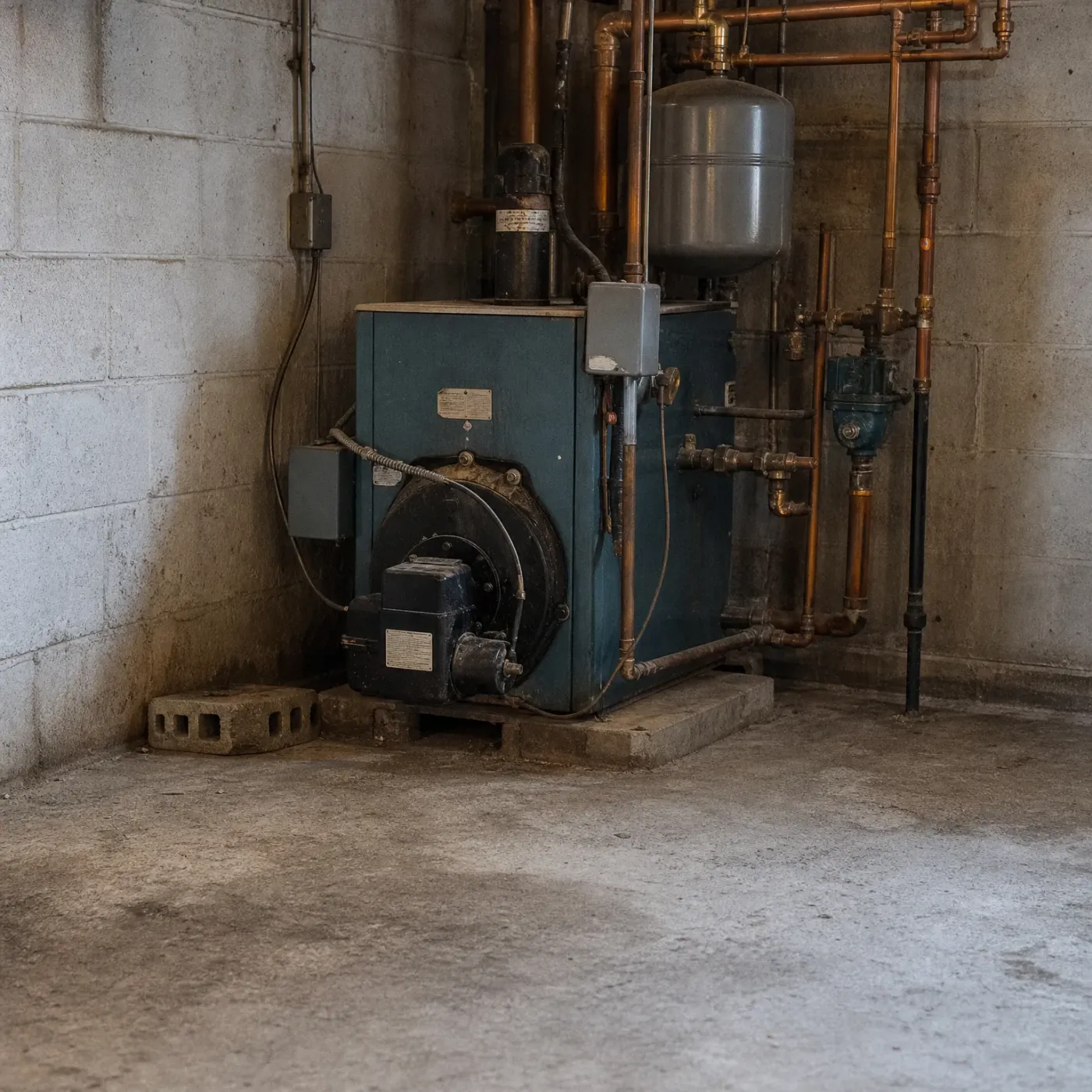
A yellow flame, soot around the flue connection, or a flue pipe pulling loose at the seams means combustion gas is going somewhere it shouldn't. On an older unit like this, a cracked heat exchanger or a blocked flue is often the cause.
Walk past the boiler and take a look at the flame. If it is yellow, or it flickers instead of holding steady, that is worth your attention. Check the area around the burner and where the flue connects for soot or a brown stain. If windows near the utility room keep fogging up, or the air in that room smells stale or faintly like exhaust, something is not venting the way it should. A headache that shows up when you are home and eases once you leave the house is also worth paying attention to. None of this is something to wait out. A boiler putting carbon monoxide into the house is a risk to everyone under that roof, not just whoever happens to notice first.

A gas flame burns blue when it gets enough air to burn clean. It turns yellow or orange when it's starved for air or dirty with soot, and that same incomplete burn is what produces carbon monoxide instead of plain water vapor and carbon dioxide. The flame is the easiest check you have, because you can see it through the burner window without opening anything up or touching a tool.
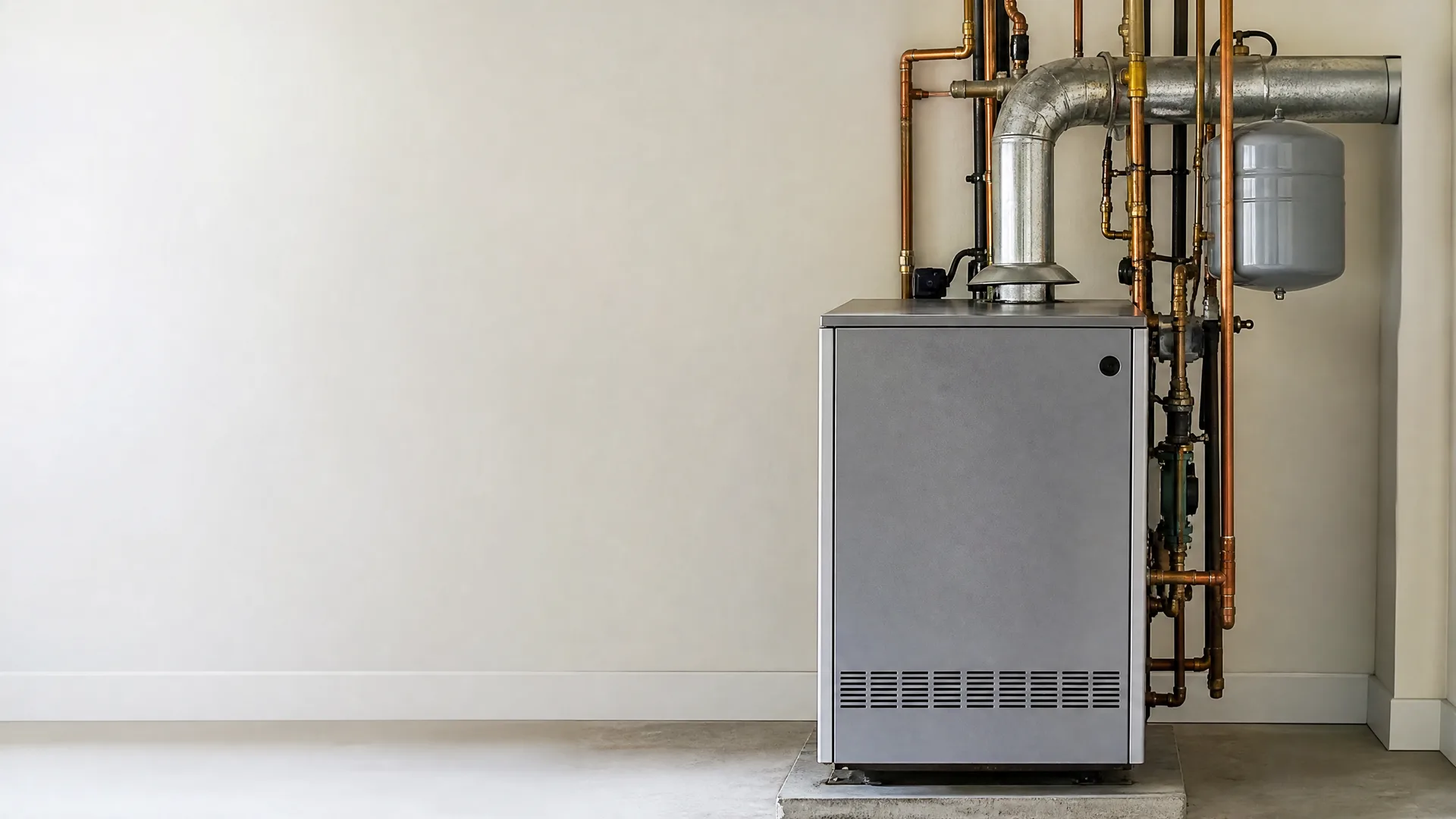
A boiler can run for a while with a bad burn before anyone in the house notices anything wrong. Soot takes time to build up, a flue connection can loosen slowly, and a flame can drift from blue to yellow over weeks, not all at once. A carbon monoxide detector near the boiler catches what a quick look might miss, and it keeps working on the days nobody thinks to check the flame at all.


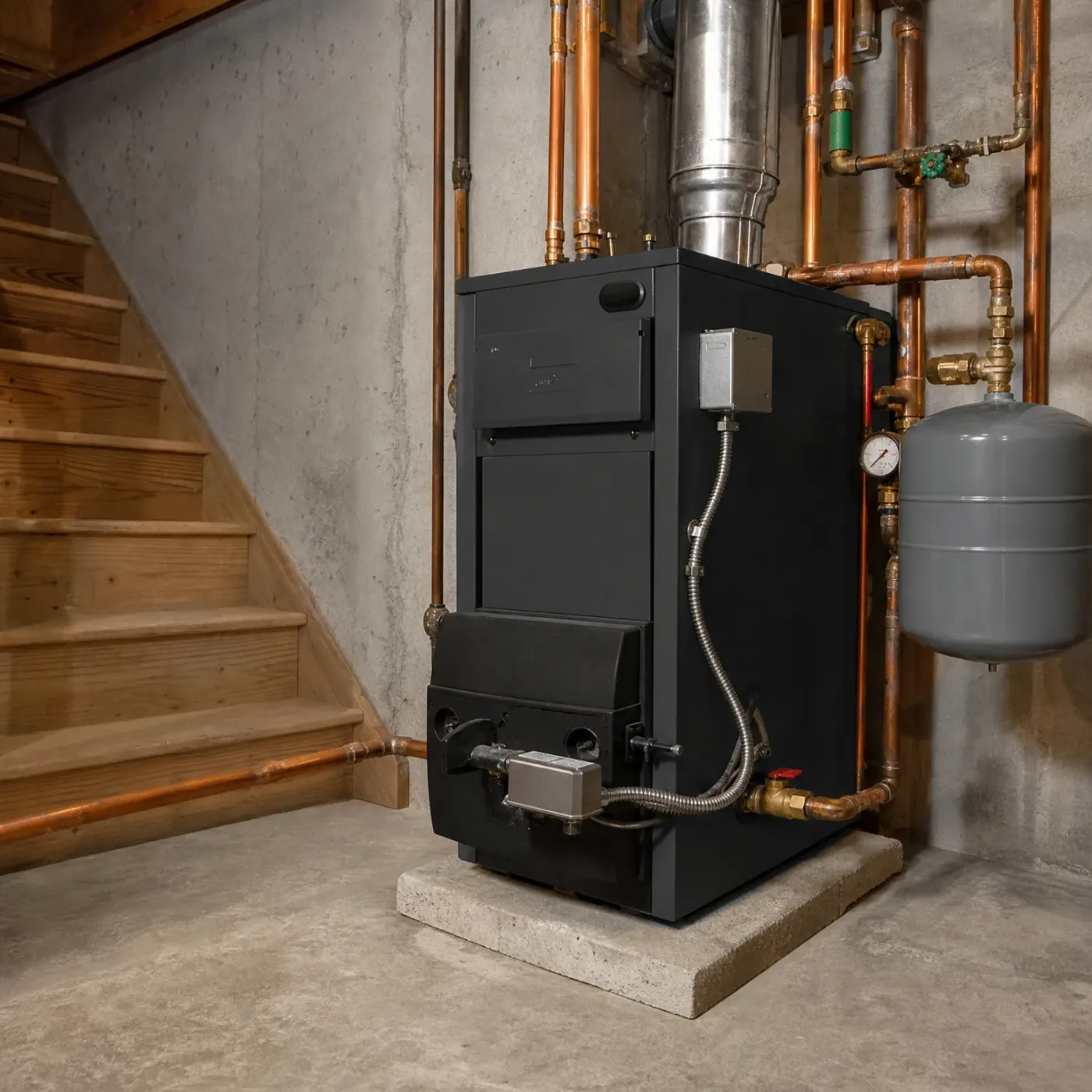
Only one pro gets your request, so you hear from one company.
Say what's going on with your boiler, and a pro who works on them reaches out.
Sending the form costs nothing.




Sealed-battery CO alarms last about ten years and plug-in ones still need a battery check twice a year. Either way, test the button and make sure it answers.
Without a working alarm, soot, a yellow flame, or foggy windows near the boiler may be the only warning you get before anyone feels sick.
A carbon monoxide detector near the boiler will catch what the flame and the soot can't tell you from across the room. It reads the air itself, not a symptom of what's burning wrong. If it sounds, get everyone out and into fresh air before you do anything else, then call for help from outside the house. Don't silence it and go back to sleep. A detector that trips once and goes quiet again still means the boiler put carbon monoxide into that room, even if the reading drops before anyone gets back to check it. Treat the alarm as correct until a contractor tells you otherwise.
Most homes in Texas heat with electricity, so a boiler here is often doing one job instead of carrying the whole house through winter. That can mean it sits unused for stretches between the cold snaps that call for it, and a burner that hasn't run in weeks is a burner you haven't watched for a while. When you do turn it on, that first run is worth standing by for. Check the flame, check the air near the flue, and don't assume a system that worked fine last winter is burning the same way now. A boiler that's mostly idle still needs the same attention on the nights it's working.
Statewide, winter nights average 41°F, so your boiler isn't working against the kind of deep cold that pushes a burner hard for months straight. It still runs enough nights to matter. A short, mild heating season doesn't change what a bad flame or a blocked flue can do in one night.
NOAA nClimDiv 1991-2020 county normals weighted by homes
Gas and air mix in the burner before ignition.
The burner lights and should hold a steady blue flame.
Not enough air turns the flame yellow and incomplete.
Incomplete combustion gives off carbon monoxide instead of water vapor.

A boiler burning clean shows a steady blue flame, no soot, no streaking, no fog on the windows nearby. When one of those signs shows up instead, that's the boiler telling you the burn has gone wrong somewhere between the gas and the flue. You don't need to guess at what's failing to know it needs a look.
Texas winters don't run a boiler hard the way a deep freeze would, but yours still fires enough nights to matter, and a burner that's off stays off until someone corrects it. A local contractor who works on boilers through the mild stretch and the cold nights alike has seen what usually causes a yellow flame or a sooty flue connector in homes like yours, and can tell you what's happening in yours instead of what's possible in general. Getting matched with one contractor means one visit, one person looking at your equipment, not a string of calls to sort through.






Your request goes to one pro, not a list of companies.
It costs nothing to send, and you don't have to hire anyone.